c.curionodeThe Nobel Archive

1998 · Physics

When electrons act together

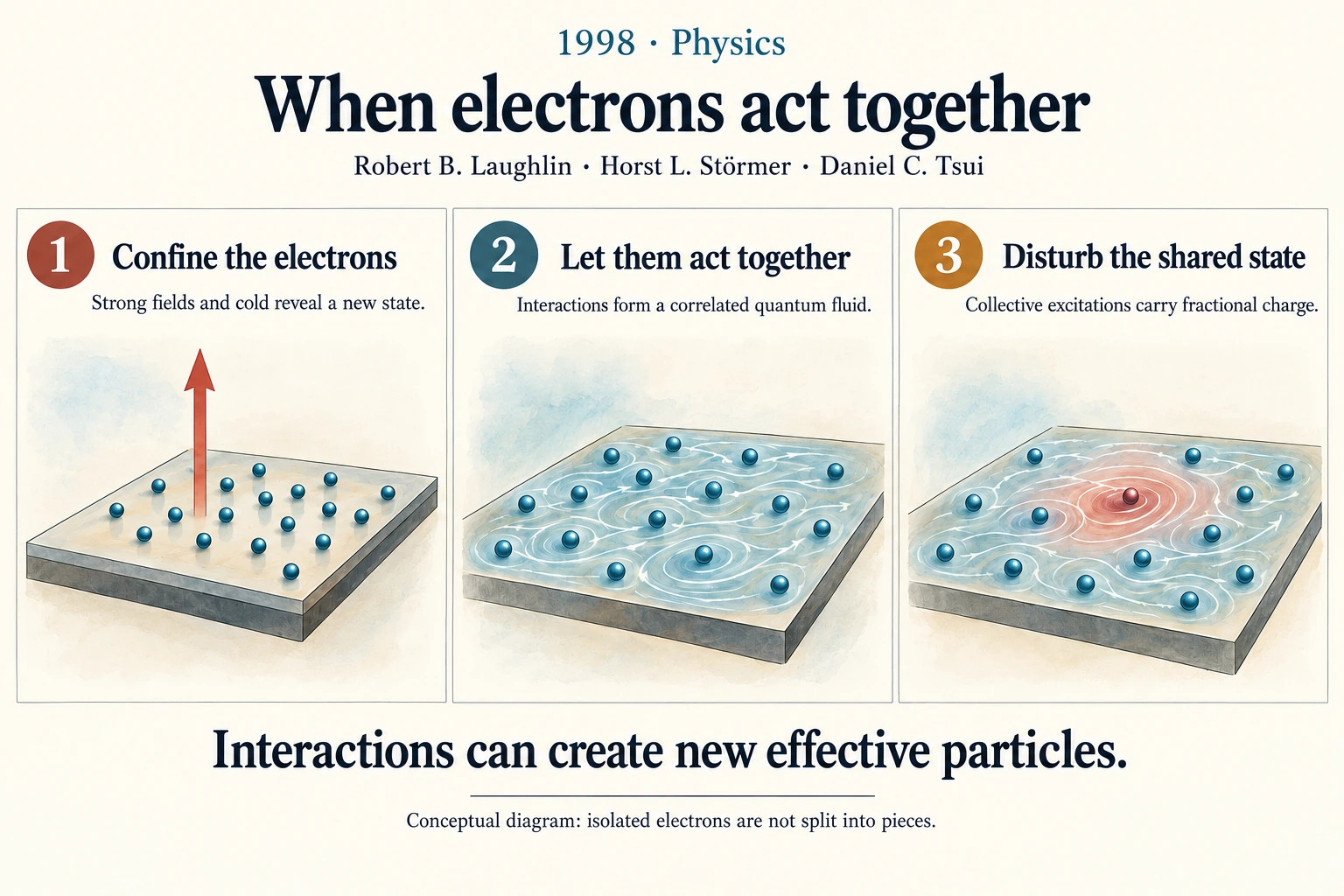
A thin electron layer revealed a quantum fluid whose collective excitations carry fractional charge.

fractional quantum Hall effectquantum fluidquasiparticlescollective behaviour
1998Physics

Visual guide

The prize, pictured

Infographic explaining When electrons act together
Original AI-generated infographic. A conceptual overview; the explanations and sources below provide context.
Read the poster text

Interactions can create new effective particles.

  1. Confine the electrons

    Strong fields and cold reveal a new state.

  2. Let them act together

    Interactions form a correlated quantum fluid.

  3. Disturb the shared state

    Collective excitations carry fractional charge.

Conceptual diagram: isolated electrons are not split into pieces.

01 · The discovery

The idea, in everyday language

Electrons confined to a nearly two-dimensional layer behave in unexpected ways under strong magnetic fields and very low temperatures. Earlier measurements had found integer quantization of the Hall response. In 1982 Störmer and Tsui, with collaborators, observed plateaus associated with fractional filling of the electronic states. The pattern could not be explained by treating the electrons independently.

Laughlin’s 1983 theory described a strongly correlated, incompressible quantum fluid. Disturbances of this shared state act as quasiparticles with fractional electric charge. The award joined the experimental discovery to its theoretical explanation: interactions can create new effective objects whose properties differ from those of the original particles.

Why it matters

The discovery expanded the study of collective quantum matter and supplied a central example of emergent properties. It connected precision transport experiments with new many-particle theory. The recognized result was a new form of quantum fluid, rather than a practical claim about splitting isolated electrons.
02 · The people

Who brought the idea to life?

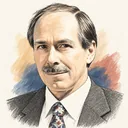
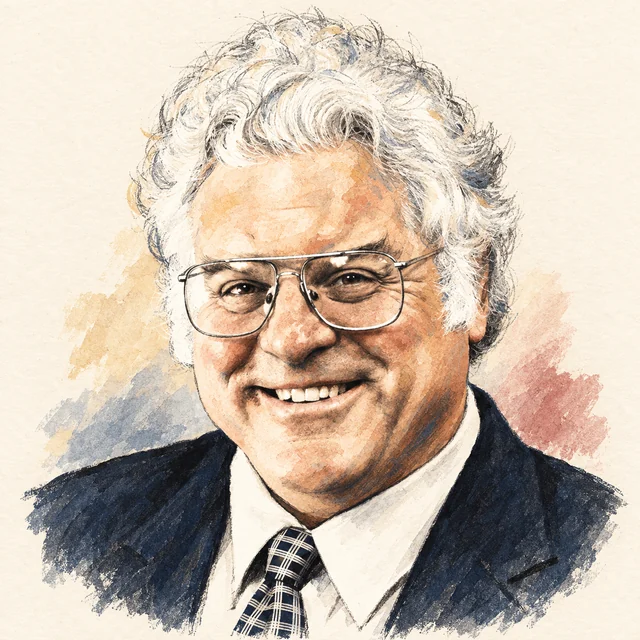
Illustrated portrait of Robert B. Laughlin

Robert B. Laughlin

Prize share · 1/3

In 1983 Laughlin proposed a correlated quantum state explaining the fractional quantum Hall effect observed by Störmer and Tsui. His theory described an incompressible electron fluid whose collective excitations carry fractions of an electron’s charge. These excitations are quasiparticles of the many-electron state; the theory does not require an isolated electron to break into smaller elementary particles.

Read the biography ↗
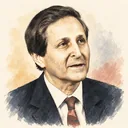
Illustrated portrait of Horst L. Störmer

Horst L. Störmer

Prize share · 1/3

Störmer helped develop high-mobility two-dimensional electron systems and, with Tsui and collaborators, discovered the fractional quantum Hall effect in 1982. Strong magnetic fields and very low temperatures revealed quantized Hall plateaus beyond the integer pattern. The unexpected result supplied the experimental challenge that Laughlin’s collective-state theory explained.

Read the biography ↗
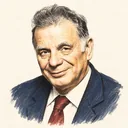
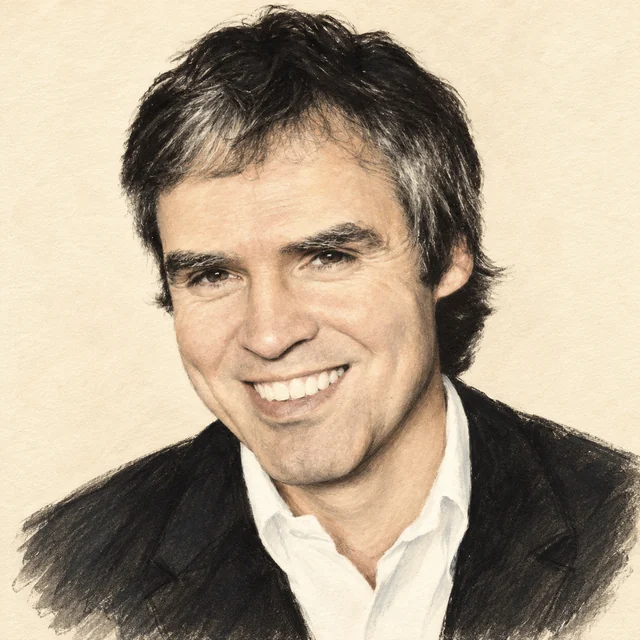
Illustrated portrait of Daniel C. Tsui

Daniel C. Tsui

Prize share · 1/3

Tsui and Störmer, working with collaborators, discovered fractional quantization of the Hall response in 1982. Their measurements used high-quality semiconductor samples under strong magnetic fields and low temperatures. Tsui’s experimental investigation of two-dimensional electrons helped reveal a new collective state of matter, rather than merely another property of an individual electron.

Read the biography ↗

03 · Years in the making

The path here

  1. 1982

    Störmer, Tsui and collaborators discovered the fractional quantum Hall effect.

  2. 1983

    Laughlin proposed a correlated quantum-fluid explanation.

  3. 1998

    The prize joined the discovery and its theoretical interpretation.

04 · Read further

From the original sources

Original explanations by Curionode, based on the official records below. Biographical details and affiliations refer to the award year.

  1. Official announcement nobelprize.org