01 · The discovery
The idea, in everyday language
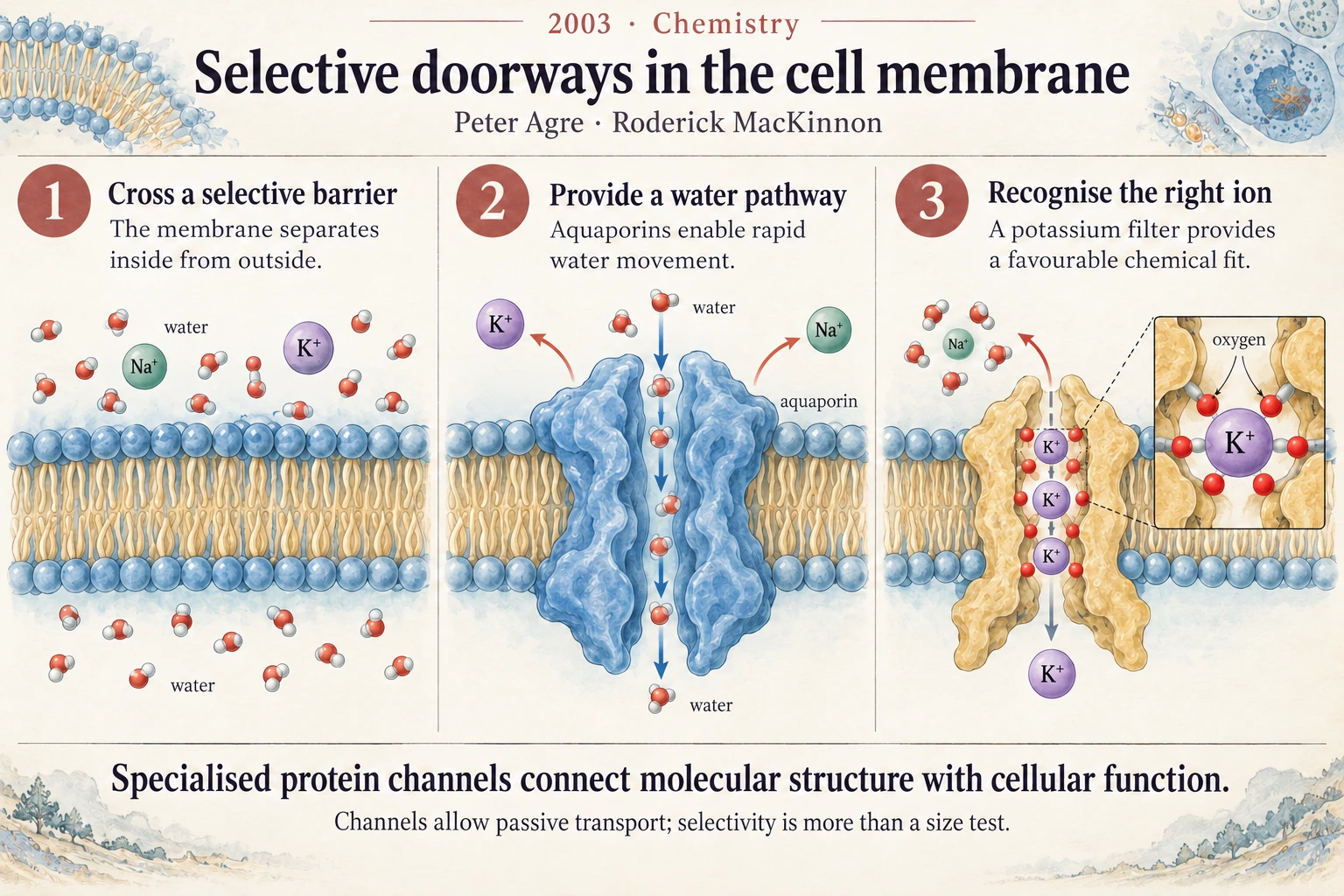
A cell membrane separates the inside of a cell from its surroundings. Its fatty interior makes passage difficult for charged ions and limits water movement. Yet cells must exchange water quickly and control ion flow with great precision. Protein channels provide specialised routes through the membrane, allowing rapid transport while discriminating between molecules or ions.
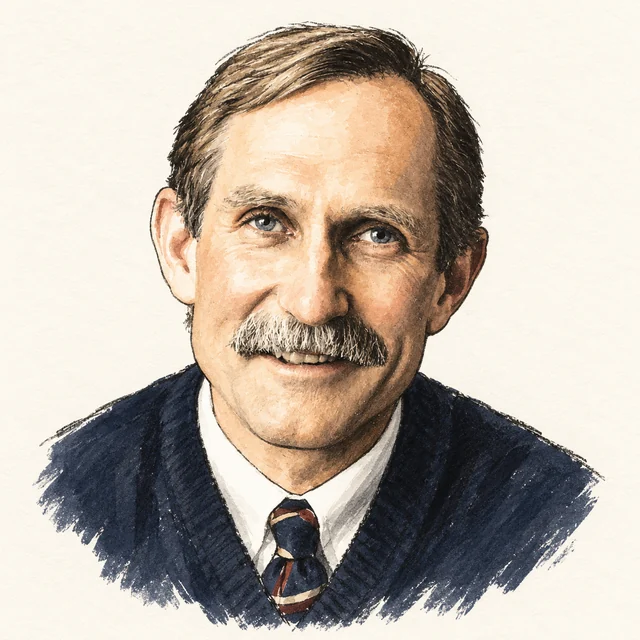
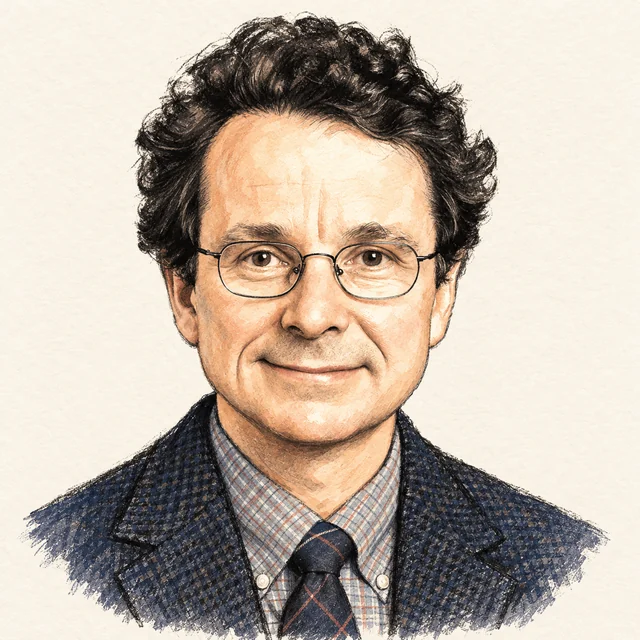
Agre identified a protein that forms water channels and demonstrated its function in cells and artificial membranes. MacKinnon determined the structure of a potassium channel, revealing how a narrow filter coordinates ions. The filter can favour potassium over smaller sodium because the chemical environment compensates differently for the cost of shedding surrounding water. Opening and closing channels supplies another level of control over transport.
Why it matters
Water channels help explain water balance in tissues such as the kidney. Ion channels are central to electrical activity in nerves and muscles. Knowing their molecular structure and mechanism connects physiology with chemistry and helps researchers understand what happens when channel function is altered.