c.curionodeThe Nobel Archive

1902 · Chemistry

Test molecular relationships by making compounds

Fischer connected the structures of sugars and organised the purine family through chemical comparison and synthesis. The 1902 award explicitly recognised both programmes.

SynthesisStereochemistrySugars and purines
1902Chemistry

Visual guide

The prize, pictured

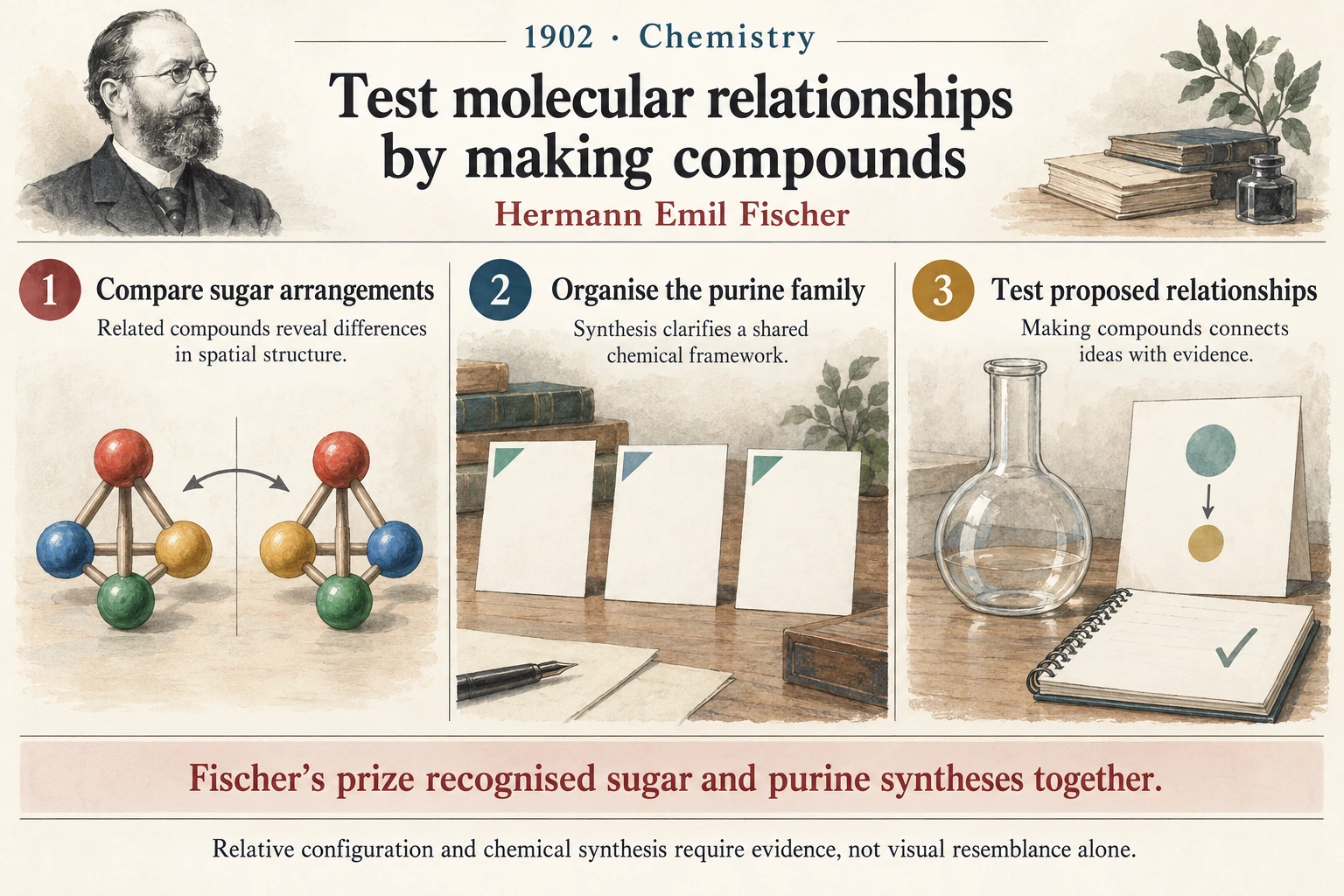
Infographic explaining Test molecular relationships by making compounds
Original AI-generated infographic. A conceptual overview; the explanations and sources below provide context.
Read the poster text

Fischer’s prize recognised sugar and purine syntheses together.

  1. Compare sugar arrangements

    Related compounds reveal differences in spatial structure.

  2. Organise the purine family

    Synthesis clarifies a shared chemical framework.

  3. Test proposed relationships

    Making compounds connects ideas with evidence.

Relative configuration and chemical synthesis require evidence, not visual resemblance alone.

01 · The discovery

The idea, in everyday language

Sugars can share a composition yet differ in how atoms are arranged in space. Fischer compared their chemical transformations and made related compounds, using the relationships to establish relative configurations. Stereochemistry made a family of similar substances intelligible without treating them as identical.

Purines offered a different family of biologically important compounds, including caffeine and constituents related to nucleic acids. Synthesis and interconversion helped establish a shared structural framework. Preparing compounds provided tests of proposed relationships; it was not merely a collection of formulas or an account of everything living cells do.

Why it matters

The work helped connect organic chemistry with biological substances. Systematic relationships, stereochemical reasoning and synthesis made complex natural compounds more accessible to investigation, providing a basis for later biochemical research.
02 · The people

Who brought the idea to life?

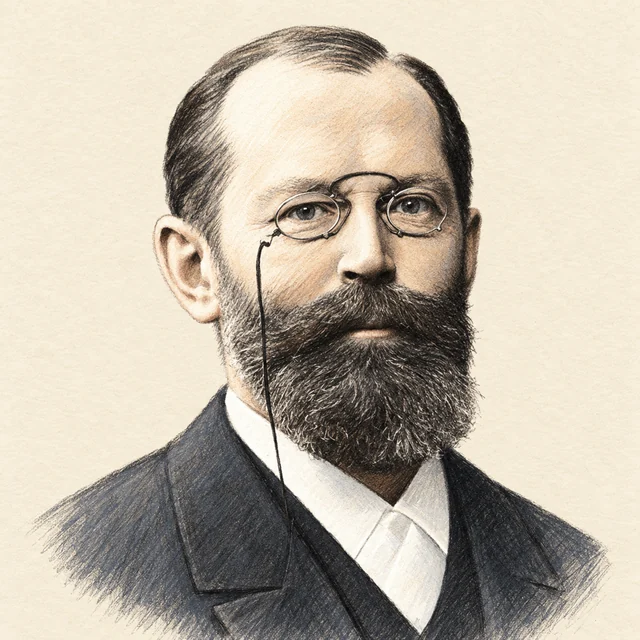
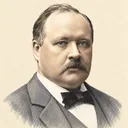
Illustrated portrait of Hermann Emil Fischer

Hermann Emil Fischer

Prize share · 1

Fischer established relationships and relative configurations among sugars and clarified the purine family through synthesis. The full Chemistry Prize recognised both areas, beyond his other work on proteins or enzyme models.

Read the biography ↗

03 · Years in the making

The path here

  1. 1852

    Fischer is born at Euskirchen.

  2. 1874

    He completes his doctorate with Baeyer.

  3. 1884

    He develops systematic studies of sugars.

  4. 1885–1892

    He directs the Würzburg chemical institute.

  5. 1892

    He moves to Berlin.

  6. 1898

    He synthesises the parent purine.

  7. 1902

    He receives the full Chemistry Prize for sugar and purine syntheses.

  8. 1919

    He dies in Berlin.

04 · Read further

From the original sources

Original explanations by Curionode, based on the official records below. Biographical details and affiliations refer to the award year.

  1. Official award summary nobelprize.org
  2. Award ceremony speech nobelprize.org
  3. University of Würzburg: Fischer’s chemistry and wartime role uni-wuerzburg.de

More in Chemistry

Browse this subject ↗