c.curionodeThe Nobel Archive

1909 · Physics

Send a message without a connecting wire

Wireless telegraphy used electromagnetic waves to carry coded signals between stations. Marconi developed practical systems and networks; Braun improved electrical oscillations, coupling and tuning. They received equal shares of the prize.

Wireless telegraphyTuningElectromagnetic waves
1909Physics

Visual guide

The prize, pictured

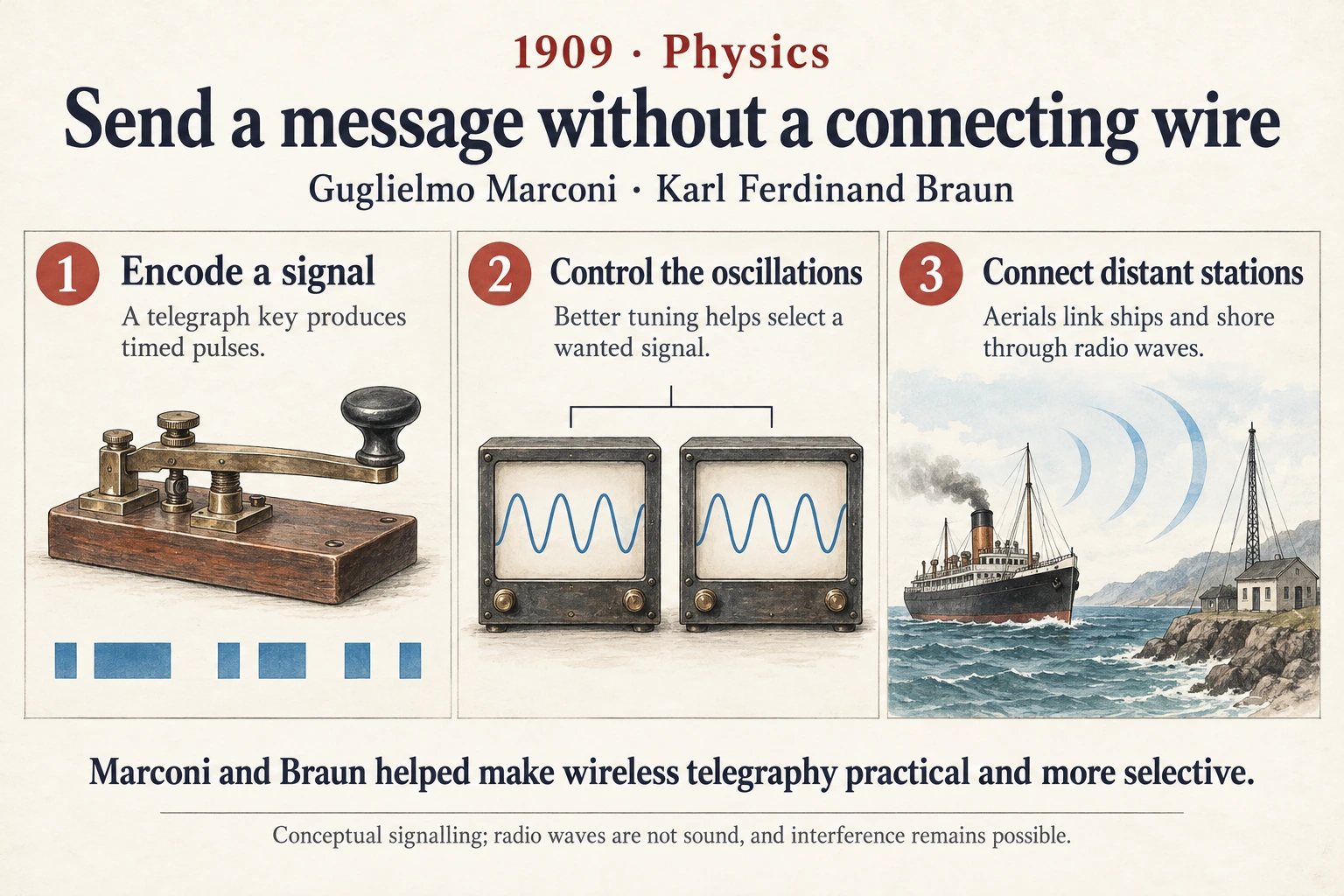
Infographic explaining Send a message without a connecting wire
Original AI-generated infographic. A conceptual overview; the explanations and sources below provide context.
Read the poster text

Marconi and Braun helped make wireless telegraphy practical and more selective.

  1. Encode a signal

    A telegraph key produces timed pulses.

  2. Control the oscillations

    Better tuning helps select a wanted signal.

  3. Connect distant stations

    Aerials link ships and shore through radio waves.

Conceptual signalling; radio waves are not sound, and interference remains possible.

01 · The discovery

The idea, in everyday language

Hertz’s experiments had shown that electromagnetic waves could travel through space. A useful communication system still required ways to generate, radiate, detect and distinguish signals over much greater distances. Marconi assembled and improved equipment, conducted demonstrations and built commercial services linking shore stations and ships. Telegraph messages were encoded in timed signals, rather than transmitted as ordinary speech.

Early spark transmitters produced rapidly damped oscillations and could interfere with other stations. Braun introduced a closed oscillating circuit coupled to the radiating system, allowing stronger, better controlled oscillations and more effective tuning. Resonance helped a receiver respond preferentially to the desired transmission. The two men’s contributions were different parts of a larger development involving many investigators and engineers.

Why it matters

Wireless signals made communication possible where a connecting cable was impractical, especially for ships. Commercial networks, skilled operators and international arrangements mattered alongside equipment. Later radio broadcasting and many other wireless technologies developed from a much broader continuing programme.
02 · The people

Who brought the idea to life?

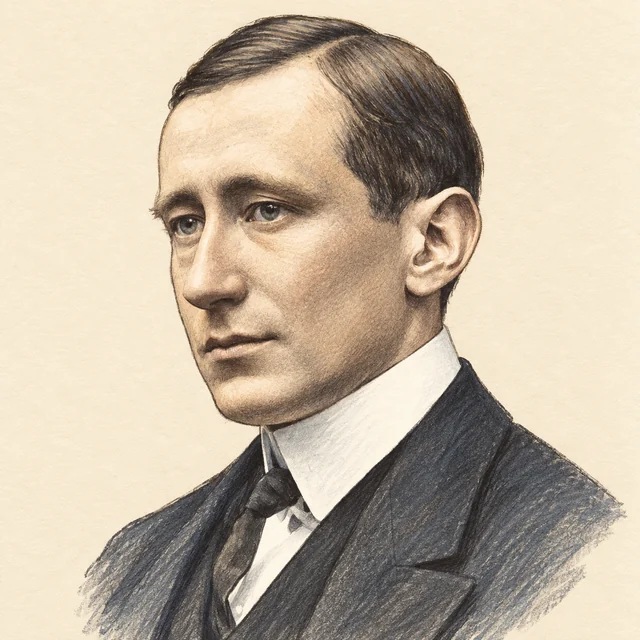
Illustrated portrait of Guglielmo Marconi

Guglielmo Marconi

Prize share · 1/2

Marconi received half the Physics Prize for developing practical wireless telegraphy. Demonstrations, system engineering and commercial networks helped turn electromagnetic-wave experiments into long-distance signalling.

Read the biography ↗
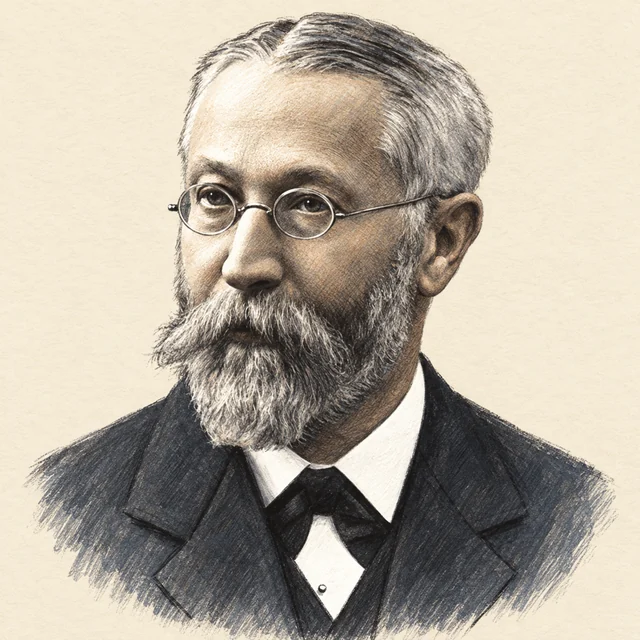
Illustrated portrait of Karl Ferdinand Braun

Karl Ferdinand Braun

Prize share · 1/2

Braun received half the Physics Prize for contributions to wireless telegraphy. Improved oscillating circuits, coupling and tuning made transmissions more effective and selective.

Read the biography ↗

03 · Years in the making

The path here

  1. 1888

    Hertz demonstrates electromagnetic waves experimentally.

  2. 1895

    Marconi develops longer-range wireless signalling in Italy.

  3. 1897

    His wireless company is established.

  4. 1898

    Braun begins his wireless-telegraphy work.

  5. 1899

    Marconi signals across the English Channel.

  6. 1901

    He reports reception of an Atlantic signal in Newfoundland.

  7. 1907

    A commercial transatlantic service opens.

  8. 1909

    Marconi and Braun share the Physics Prize equally.

04 · Read further

From the original sources

Original explanations by Curionode, based on the official records below. Biographical details and affiliations refer to the award year.

  1. Official award summary nobelprize.org
  2. Award ceremony speech nobelprize.org
  3. Oxford History of Science Museum: wireless systems and the Marconi company mhs.ox.ac.uk
  4. Karlsruhe Institute of Technology: Braun’s teaching in Karlsruhe etit.kit.edu