01 · The discovery
The idea, in everyday language
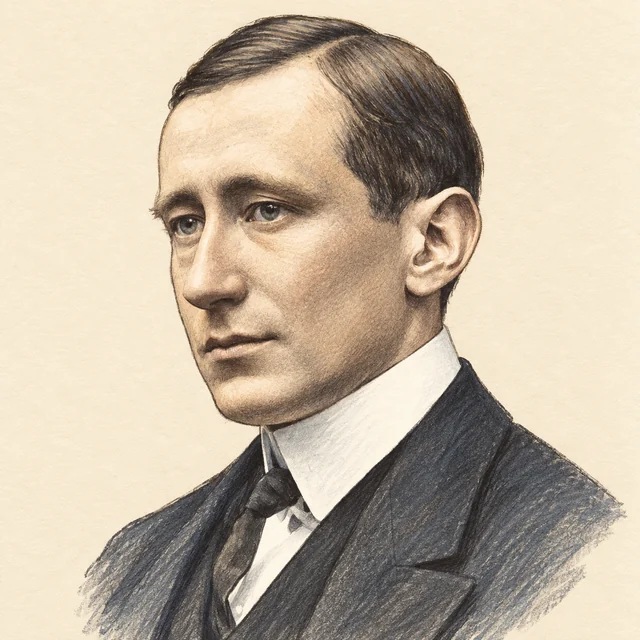
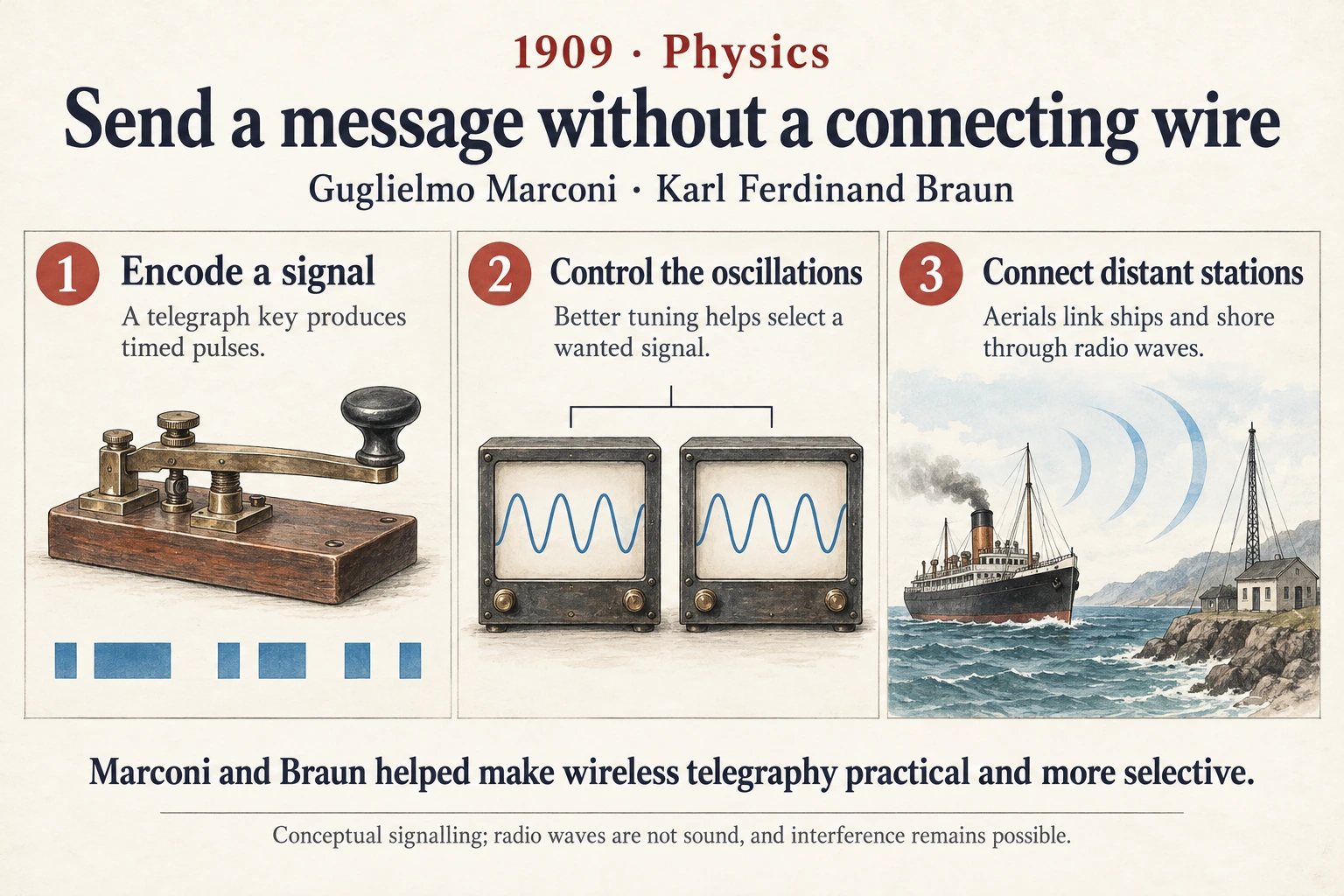
Hertz’s experiments had shown that electromagnetic waves could travel through space. A useful communication system still required ways to generate, radiate, detect and distinguish signals over much greater distances. Marconi assembled and improved equipment, conducted demonstrations and built commercial services linking shore stations and ships. Telegraph messages were encoded in timed signals, rather than transmitted as ordinary speech.
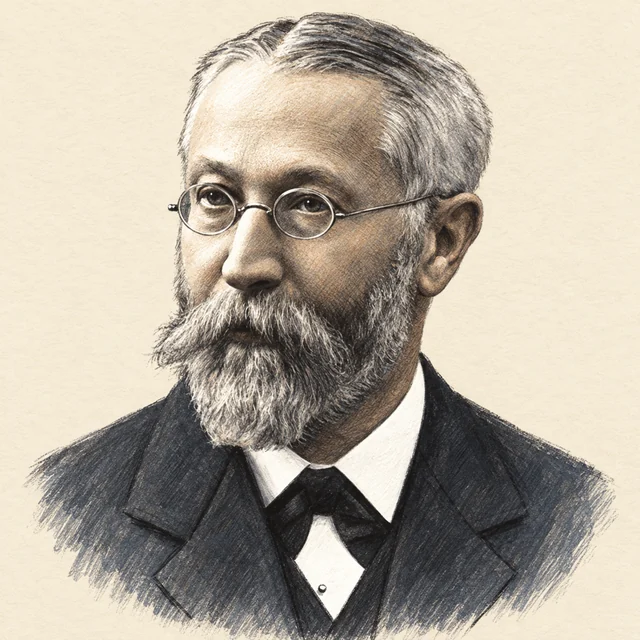
Early spark transmitters produced rapidly damped oscillations and could interfere with other stations. Braun introduced a closed oscillating circuit coupled to the radiating system, allowing stronger, better controlled oscillations and more effective tuning. Resonance helped a receiver respond preferentially to the desired transmission. The two men’s contributions were different parts of a larger development involving many investigators and engineers.
Why it matters
Wireless signals made communication possible where a connecting cable was impractical, especially for ships. Commercial networks, skilled operators and international arrangements mattered alongside equipment. Later radio broadcasting and many other wireless technologies developed from a much broader continuing programme.