c.curionodeThe Nobel Archive

1912 · Chemistry

Give organic synthesis two powerful new methods

Grignard developed organomagnesium reagents for building carbon bonds. Sabatier developed catalytic hydrogenation using finely divided metals. They shared the prize for distinct advances in the chemist’s methods.

Organic synthesisCarbon bondsHydrogenation
1912Chemistry

Visual guide

The prize, pictured

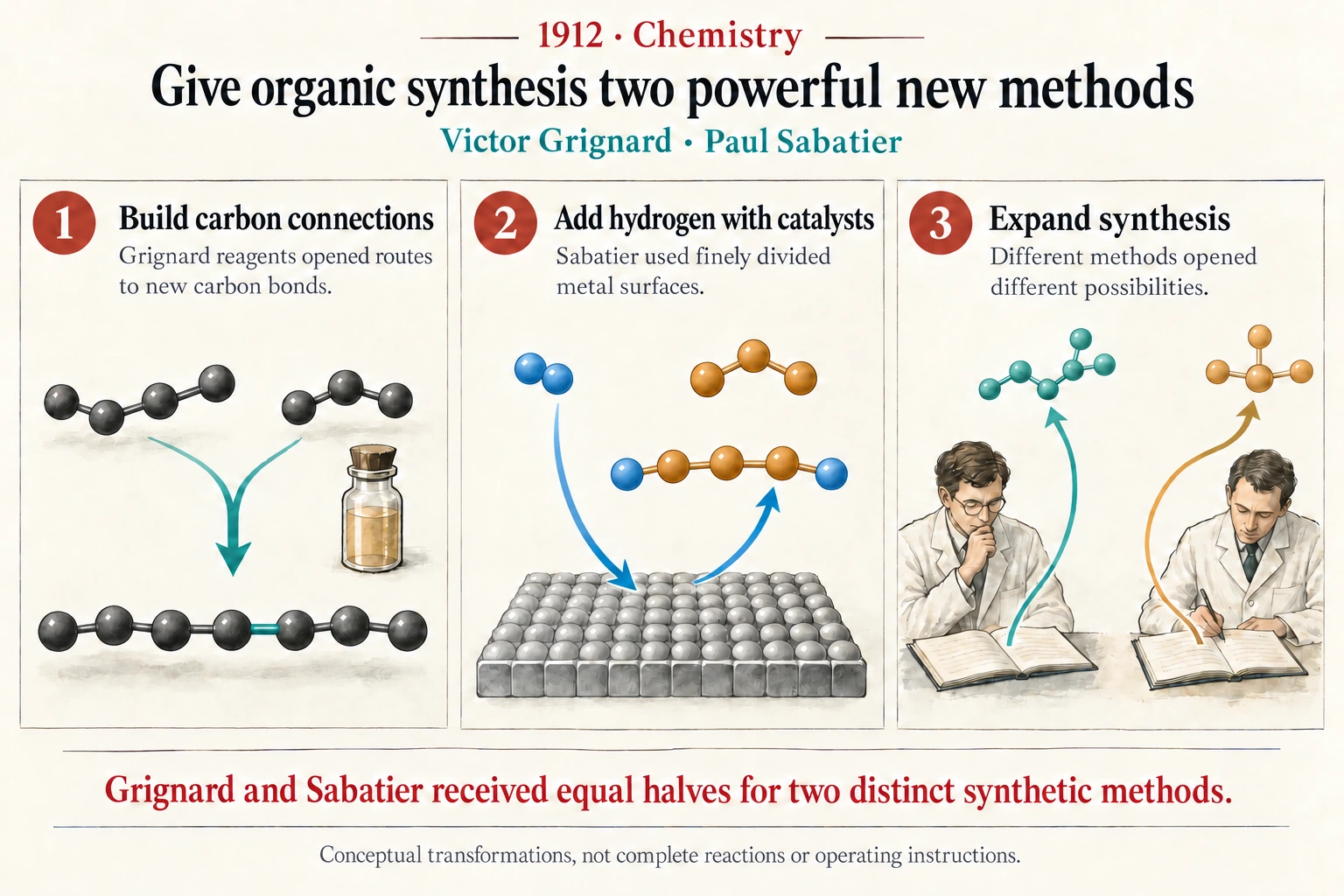
Infographic explaining Give organic synthesis two powerful new methods
Original AI-generated infographic. A conceptual overview; the explanations and sources below provide context.
Read the poster text

Grignard and Sabatier received equal halves for two distinct synthetic methods.

  1. Build carbon connections

    Grignard reagents opened routes to new carbon bonds.

  2. Add hydrogen with catalysts

    Sabatier used finely divided metal surfaces.

  3. Expand synthesis

    Different methods opened different possibilities.

Conceptual transformations, not complete reactions or operating instructions.

01 · The discovery

The idea, in everyday language

Organic synthesis requires ways both to build a molecular framework and to change the bonds within it. Grignard’s reagents made new carbon–carbon connections accessible across many useful transformations. Their reactive carbon-containing groups participate in the chemical change. Barbier’s earlier research helped set the problem that Grignard developed into a widely used method.

Sabatier’s route addressed a different transformation: adding hydrogen to organic compounds with the help of metal catalysts, especially nickel. Finely divided metal provides accessible surface where reactants can interact. His work with Senderens and other collaborators showed how carefully prepared catalysts could make such reactions useful. Hydrogen enters the products; the catalyst supports repeated cycles rather than serving as the carbon-containing reagent. Each laureate received one half for his own method.

Why it matters

Both methods widened the range of compounds chemists could prepare and investigate. Their influence came from being useful across many studies, with later refinements, rather than offering a single universal recipe for every organic molecule.
02 · The people

Who brought the idea to life?

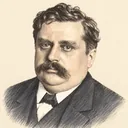
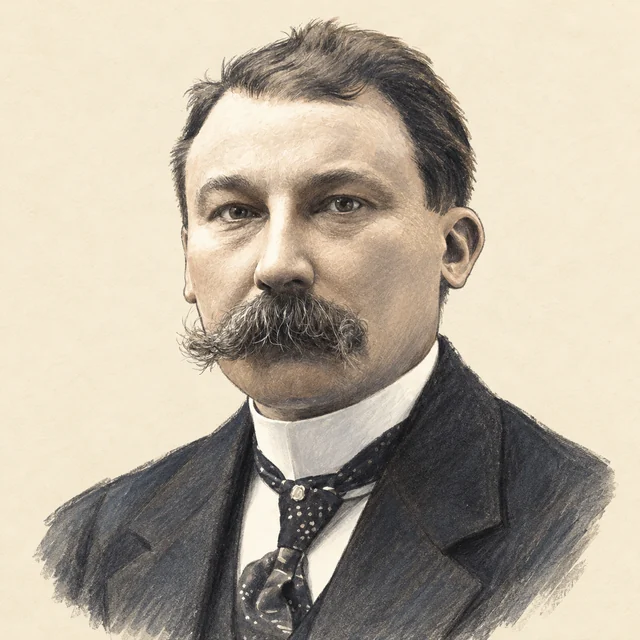
Illustrated portrait of Victor Grignard

Victor Grignard

Prize share · 1/2

Grignard received half the Chemistry Prize for the organomagnesium reagents named after him. They supplied versatile ways to build larger organic structures by forming carbon–carbon bonds; the reagent takes part chemically rather than acting as an unchanged catalyst.

Read the biography ↗
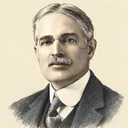
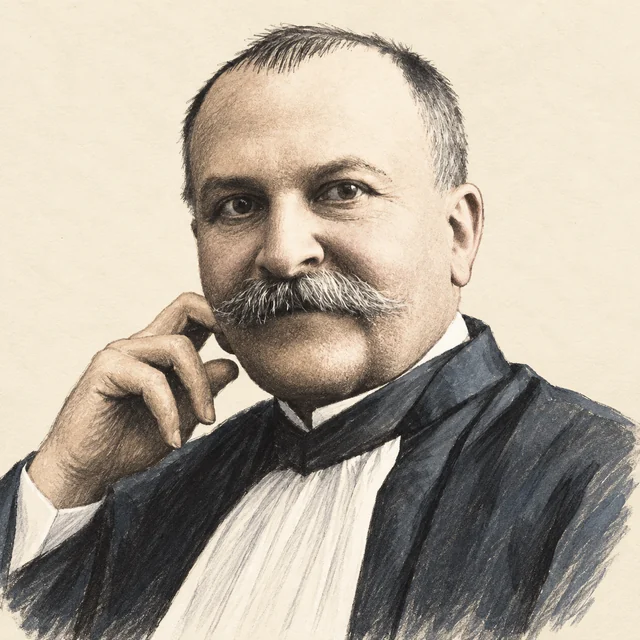
Illustrated portrait of Paul Sabatier

Paul Sabatier

Prize share · 1/2

Sabatier received half the Chemistry Prize for methods of adding hydrogen to organic compounds using finely divided metals as catalysts. The metal surface helps the transformation; hydrogen is incorporated into the product while the catalyst supports repeated reaction cycles.

Read the biography ↗

03 · Years in the making

The path here

  1. 1854

    Sabatier is born in Carcassonne.

  2. 1871

    Grignard is born in Cherbourg.

  3. 1890s

    Sabatier and Senderens develop their shared catalytic research.

  4. 1900

    Grignard’s organomagnesium discovery is communicated.

  5. 1901

    Grignard completes his doctoral thesis.

  6. 1912

    The two distinct contributions receive equal prize halves.

04 · Read further

From the original sources

Original explanations by Curionode, based on the official records below. Biographical details and affiliations refer to the award year.

  1. Official award summary nobelprize.org
  2. Award ceremony speech nobelprize.org
  3. French Academy of Sciences: Sabatier and Senderens comptes-rendus.academie-sciences.fr

More in Chemistry

Browse this subject ↗