c.curionodeThe Nobel Archive

1919 · Physics

Moving ions and electric fields reveal changes in light

Stark found two different effects in atomic light: motion-dependent frequency shifts in canal rays and the splitting of spectral lines in an electric field. Both were recognised by the 1919 Physics Prize.

Canal raysDoppler effectElectric-field splitting
1919Physics

Visual guide

The prize, pictured

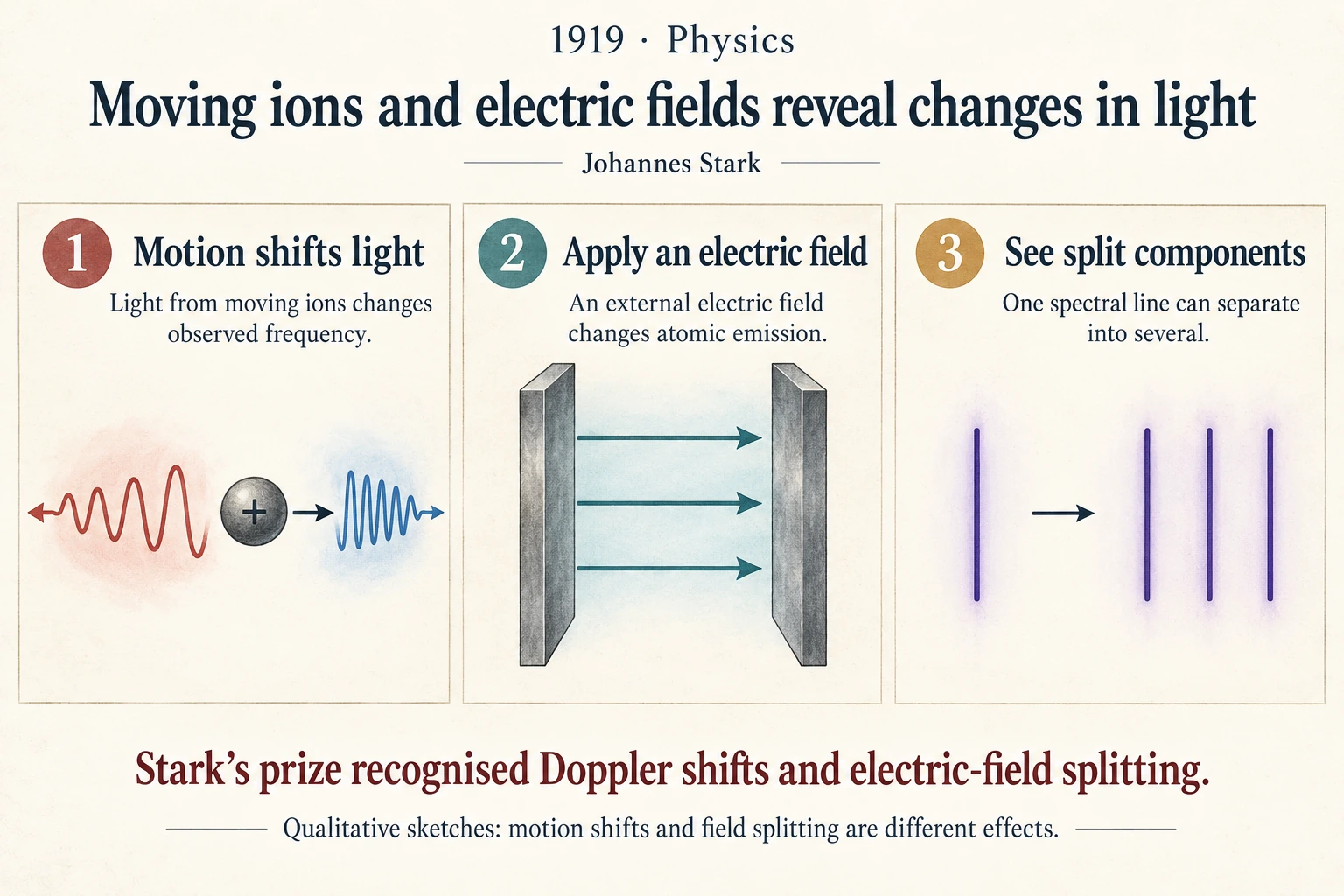
Infographic explaining Moving ions and electric fields reveal changes in light
Original AI-generated infographic. A conceptual overview; the explanations and sources below provide context.
Read the poster text

Stark’s prize recognised Doppler shifts and electric-field splitting.

  1. Motion shifts light

    Light from moving ions changes observed frequency.

  2. Apply an electric field

    An external electric field changes atomic emission.

  3. See split components

    One spectral line can separate into several.

Qualitative sketches: motion shifts and field splitting are different effects.

01 · The discovery

The idea, in everyday language

A spectrum separates light into components, letting researchers compare the narrow lines emitted by atoms. Canal rays contain fast-moving positive ions. Stark showed in 1905 that their light exhibits a Doppler effect: looking along different directions relative to the motion changes the observed frequency. The motion of the emitter and the light received by an observer are connected.

A different question is what happens to light emission when the atom is placed in an electric field. Stark found that a spectral line could separate into several components. The official presentation account dates the discovery to 1913. This electric-field splitting, now called the Stark effect, supplied new evidence about atomic behaviour and a demanding test for atomic theory. The 1919 prize was presented on 1 June 1920, by the Nobel Foundation’s president rather than the King, according to the ceremony account.

Why it matters

The work made emitted light a probe of moving ions and of how atoms respond to external electric fields. Spectral shifts and splitting constrain explanations of atomic structure. Their significance lies in distinguishing measurable effects and testing theories, rather than merely producing colourful light.
02 · The people

Who brought the idea to life?

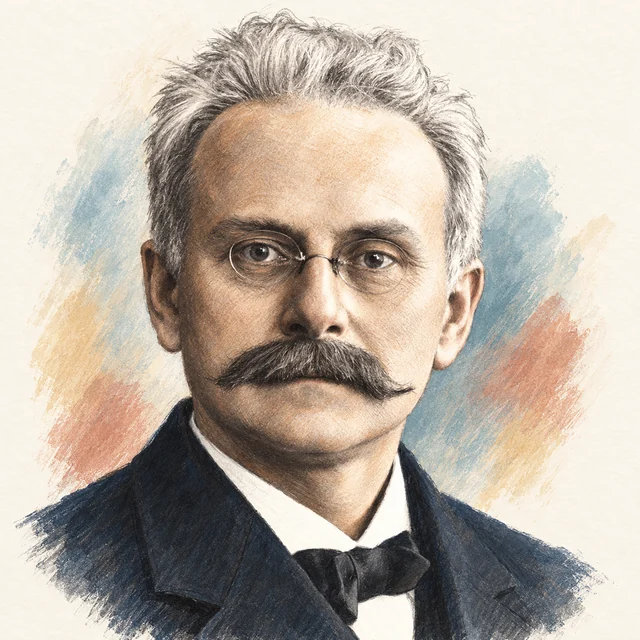
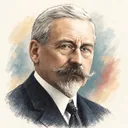
Illustrated portrait of Johannes Stark

Johannes Stark

Prize share · 1

Stark received the full Physics Prize for discovering the Doppler effect in canal rays and the splitting of spectral lines in electric fields. The first relates observed light to the motion of emitting ions; the second probes the response of atomic light emission to an electric field.

Read the biography ↗

03 · Years in the making

The path here

  1. 1897

    Stark completes his doctorate in Munich.

  2. 1905

    He observes the Doppler effect in canal-ray light.

  3. 1913

    The presentation account dates the discovery of electric-field splitting to this year.

  4. 1917

    He moves to Greifswald, his award affiliation.

  5. 1920

    The 1919 Physics Prize is presented on 1 June.

04 · Read further

From the original sources

Original explanations by Curionode, based on the official records below. Biographical details and affiliations refer to the award year.

  1. Official award summary nobelprize.org
  2. Award ceremony speech nobelprize.org
  3. DFG: Johannes Stark and research under National Socialism dfg.de