c.curionodeThe Nobel Archive

1946 · Chemistry

Make biological activity chemically tangible

Sumner, Northrop and Stanley brought enzymes and virus material into forms that could be isolated, compared and studied chemically.

EnzymesCrystallisationProtein chemistryTobacco mosaic virus
1946Chemistry

Visual guide

The prize, pictured

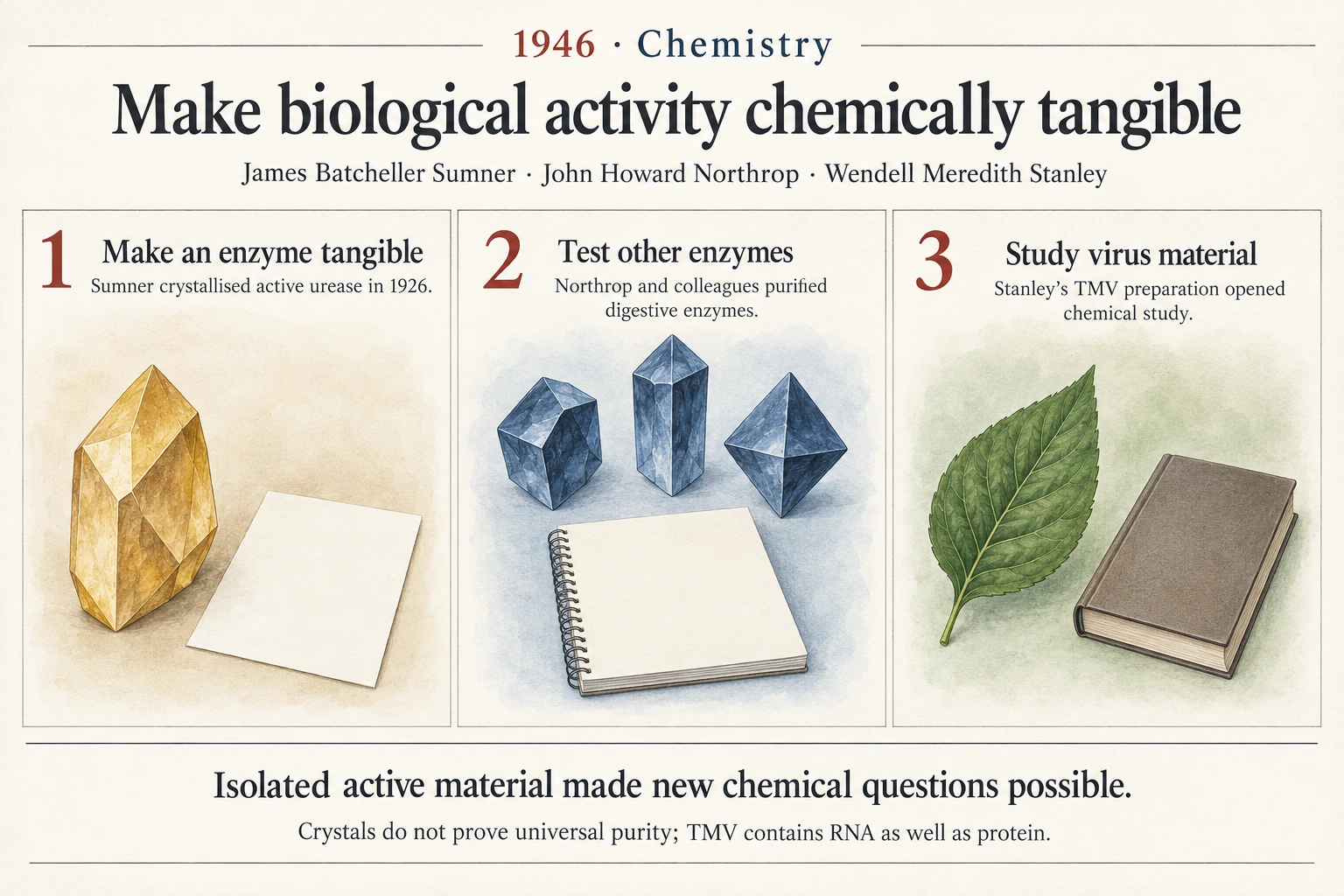
Infographic explaining Make biological activity chemically tangible
Original AI-generated infographic. A conceptual overview; the explanations and sources below provide context.
Read the poster text

Isolated active material made new chemical questions possible.

  1. Make an enzyme tangible

    Sumner crystallised active urease in 1926.

  2. Test other enzymes

    Northrop and colleagues purified digestive enzymes.

  3. Study virus material

    Stanley’s TMV preparation opened chemical study.

Crystals do not prove universal purity; TMV contains RNA as well as protein.

01 · The discovery

The idea, in everyday language

An enzyme can make a reaction happen without being easy to isolate from the mixture in which it works. In 1926 Sumner obtained active urease crystals and argued that the enzyme itself was a protein. Northrop and collaborators, including Kunitz, extended purification and characterisation to digestive enzymes such as pepsin and trypsin.

Stanley reported a crystalline tobacco mosaic virus preparation in 1935, opening virus material to chemical investigation. Its initial interpretation as protein alone changed as nucleic acid was recognised as a component. His Nobel lecture acknowledged Pirie and colleagues’ 1936 report and 1937 nucleoprotein conclusion. Sumner received half of the prize, while Northrop and Stanley each received a quarter.

Why it matters

Isolating active material made biochemical questions more directly accessible: researchers could compare composition, activity and physical properties. Sumner’s and Northrop’s work helped establish the protein nature of the enzymes they studied. Stanley’s preparation made a previously elusive infectious agent tangible, while the later correction showed why isolation and interpretation are different achievements.
02 · The people

Who brought the idea to life?

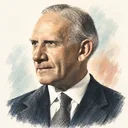
Illustrated portrait of James Batcheller Sumner

James Batcheller Sumner

Prize share · 1/2

Sumner demonstrated that an enzyme could be crystallised and established the protein nature of urease. He received half of the Chemistry Prize; this was not a claim that every biological catalyst must be a protein.

Read the biography ↗
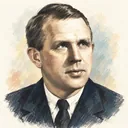
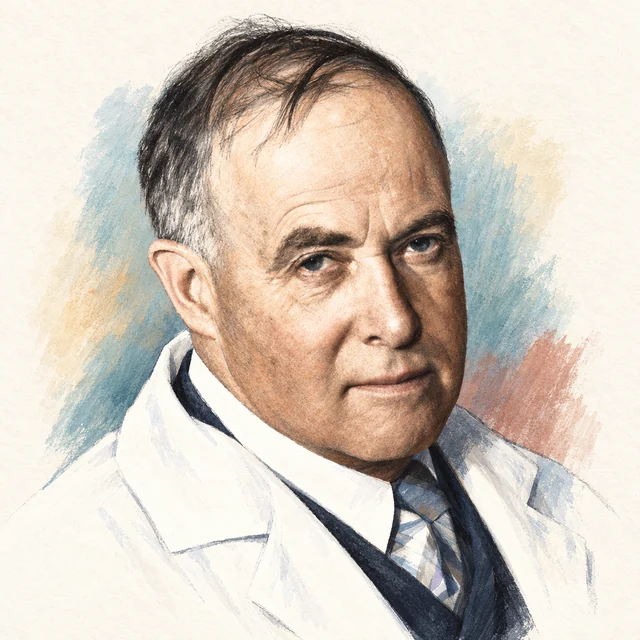
Illustrated portrait of John Howard Northrop

John Howard Northrop

Prize share · 1/4

Northrop and collaborators prepared and characterised purified enzymes, including digestive enzymes. He received one quarter of the Chemistry Prize, alongside Sumner’s half and Stanley’s quarter.

Read the biography ↗
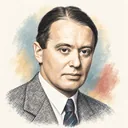
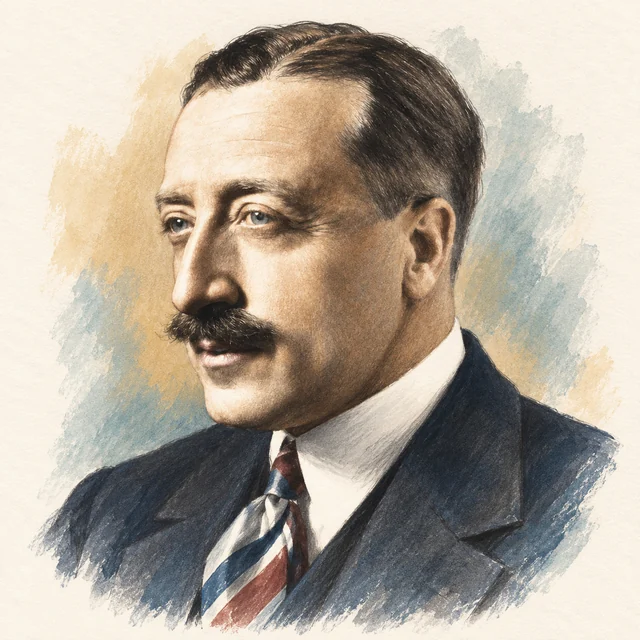
Illustrated portrait of Wendell Meredith Stanley

Wendell Meredith Stanley

Prize share · 1/4

Stanley prepared tobacco mosaic virus material in crystalline form, opening it to chemical investigation. He received one quarter of the Chemistry Prize; the later identification of its components involved other researchers as well.

Read the biography ↗

03 · Years in the making

The path here

  1. 1926

    Sumner crystallises active urease.

  2. 1929

    Northrop isolates crystalline pepsin; other enzyme studies follow.

  3. 1935

    Stanley reports crystalline tobacco mosaic virus material.

  4. 1936

    Pirie and colleagues report nucleic acid in that material.

  5. 1937

    They identify it as a nucleoprotein; the interpretation develops.

  6. 1946

    The prize recognises the three related contributions.

04 · Read further

From the original sources

Original explanations by Curionode, based on the official records below. Biographical details and affiliations refer to the award year.

  1. Official award summary nobelprize.org
  2. Award ceremony speech nobelprize.org
  3. Nobel explanation: preparing pure proteins nobelprize.org
  4. Original publication metadata: Stanley’s 1935 report api.crossref.org
  5. Contemporary account: Stanley’s 1935 result nature.com
  6. Stanley’s lecture: nucleic acid and collaborators nobelprize.org
  7. Nobel 1989: RNA can catalyse reactions nobelprize.org
  8. Official biography: James Batcheller Sumner nobelprize.org
  9. Official biography: John Howard Northrop nobelprize.org
  10. Official biography: Wendell Meredith Stanley nobelprize.org

More in Chemistry

Browse this subject ↗