c.curionodeThe Nobel Archive

1950 · Physiology or Medicine

From adrenal hormones to anti-inflammatory effects

Kendall, Reichstein and Hench connected the chemistry of adrenal cortical hormones with their biological effects and clinical investigation.

Adrenal cortexSteroid hormonesInflammation
1950Physiology or Medicine

Visual guide

The prize, pictured

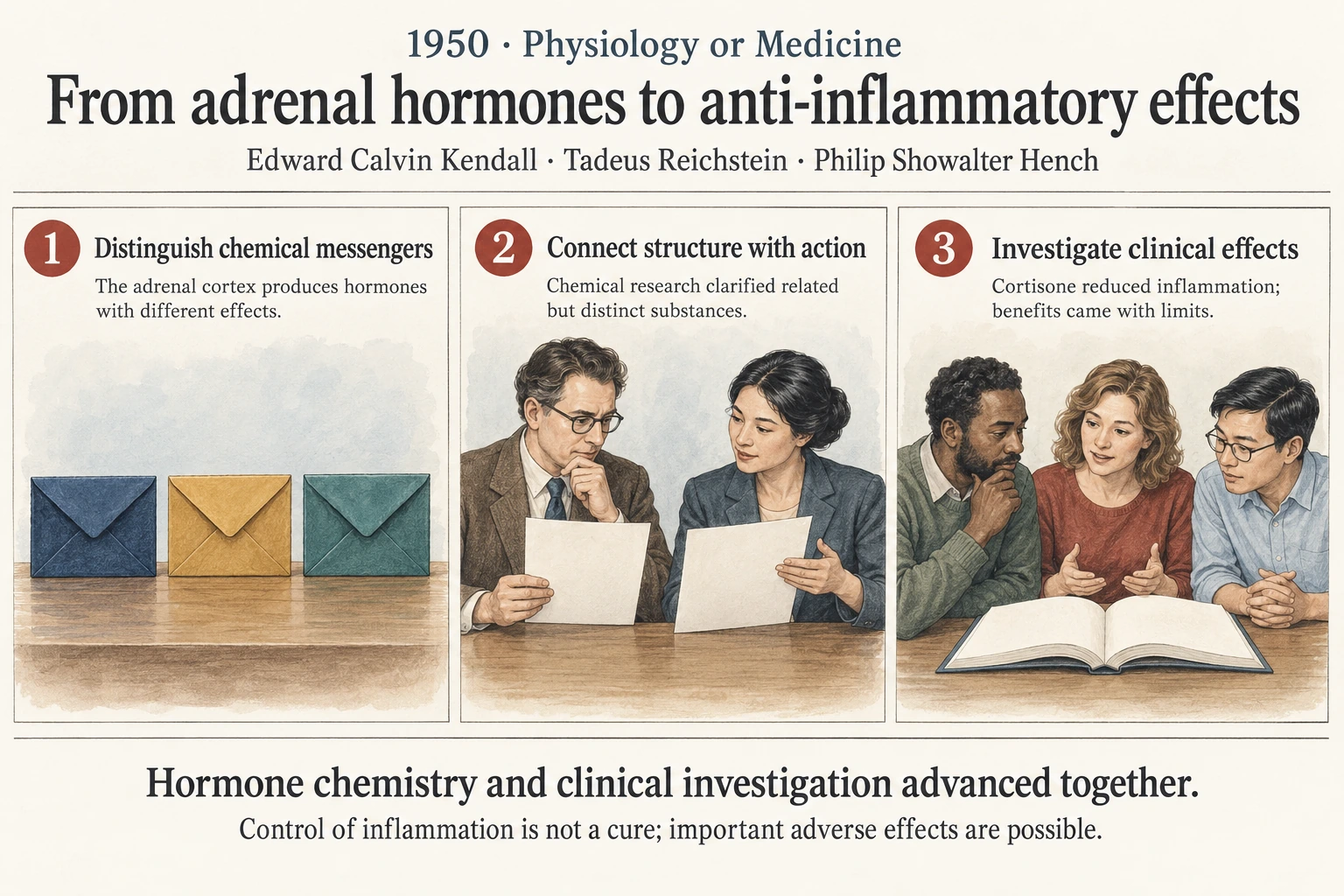
Infographic explaining From adrenal hormones to anti-inflammatory effects
Original AI-generated infographic. A conceptual overview; the explanations and sources below provide context.
Read the poster text

Hormone chemistry and clinical investigation advanced together.

  1. Distinguish chemical messengers

    The adrenal cortex produces hormones with different effects.

  2. Connect structure with action

    Chemical research clarified related but distinct substances.

  3. Investigate clinical effects

    Cortisone reduced inflammation; benefits came with limits.

Control of inflammation is not a cure; important adverse effects are possible.

01 · The discovery

The idea, in everyday language

The adrenal cortex is the outer part of an adrenal gland. It produces several hormones with different effects, not one interchangeable substance. Kendall, Reichstein and their research groups separated closely related compounds and investigated their structures. Small chemical differences could accompany substantial differences in biological action.

One compound, cortisone, became available for clinical study through chemical research and industrial production. Hench, working with Kendall and clinicians Charles Slocumb and Howard Polley, investigated its effects in rheumatoid arthritis from 1948. Their 1949 report described major reductions in inflammation and symptoms. Laboratory identification, obtaining enough material and evaluating patients were distinct contributions to a shared advance.

Why it matters

The discoveries advanced knowledge of steroid hormones and opened new anti-inflammatory approaches. Each laureate received one third. Kendall and Hench were at Mayo Clinic; Reichstein was at Basel. Industrial chemist Lewis Sarett, other chemists, clinical colleagues and nursing staff also contributed. Mayo’s archive documents Sister Pantaleon’s nursing work and the wider team.
02 · The people

Who brought the idea to life?

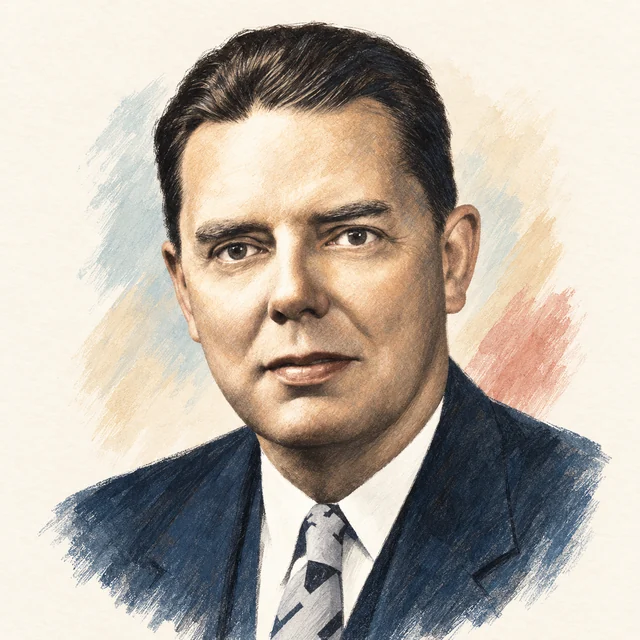
Illustrated portrait of Edward Calvin Kendall

Edward Calvin Kendall

Prize share · 1/3

Kendall isolated and identified adrenal cortical hormones and related their structures to biological actions, helping make cortisone available for clinical investigation. He received one third of the prize.

Read the biography ↗
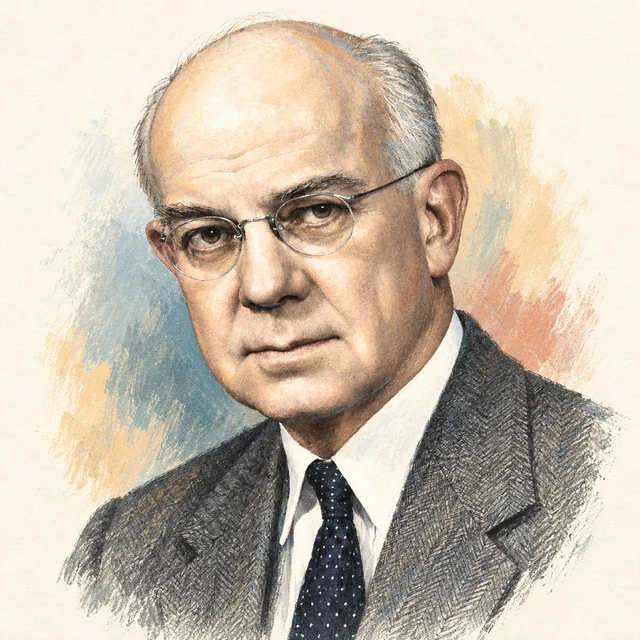
Illustrated portrait of Tadeus Reichstein

Tadeus Reichstein

Prize share · 1/3

Reichstein isolated adrenal cortical hormones, clarified their steroid nature and structures, and developed routes to obtaining them. He received one third of the prize.

Read the biography ↗
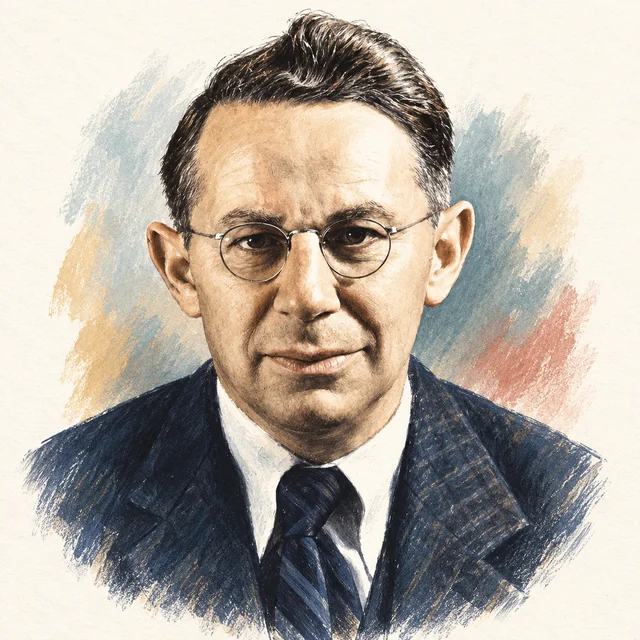
Illustrated portrait of Philip Showalter Hench

Philip Showalter Hench

Prize share · 1/3

Hench and clinical colleagues demonstrated cortisone’s anti-inflammatory effects in rheumatoid arthritis, connecting cortical-hormone chemistry with clinical research. He received one third of the prize.

Read the biography ↗

03 · Years in the making

The path here

  1. 1914

    Kendall joins Mayo’s biochemical research.

  2. 1922

    Reichstein completes his chemistry doctorate.

  3. 1930s

    Researchers separate and investigate the structures of cortical hormones.

  4. 1938

    Reichstein moves to Basel.

  5. 1948

    Hench and clinical colleagues begin cortisone trials at Mayo.

  6. 1949

    The Mayo team reports anti-inflammatory effects.

  7. 1950

    Kendall, Reichstein and Hench receive equal shares of the prize.

04 · Read further

From the original sources

Original explanations by Curionode, based on the official records below. Biographical details and affiliations refer to the award year.

  1. Official award summary nobelprize.org
  2. Award ceremony speech nobelprize.org
  3. Mayo archives: the cortisone research team libraryguides.mayo.edu
  4. Official biography: Edward Calvin Kendall nobelprize.org
  5. Official biography: Tadeus Reichstein nobelprize.org
  6. Official biography: Philip Showalter Hench nobelprize.org

More in Physiology or Medicine

Browse this subject ↗