c.curionodeThe Nobel Archive

1951 · Chemistry

Discovering chemical elements beyond uranium

McMillan and Seaborg helped establish transuranium chemistry: making, identifying and understanding elements with atomic numbers above 92.

Transuranium elementsChemical identityActinides
1951Chemistry

Visual guide

The prize, pictured

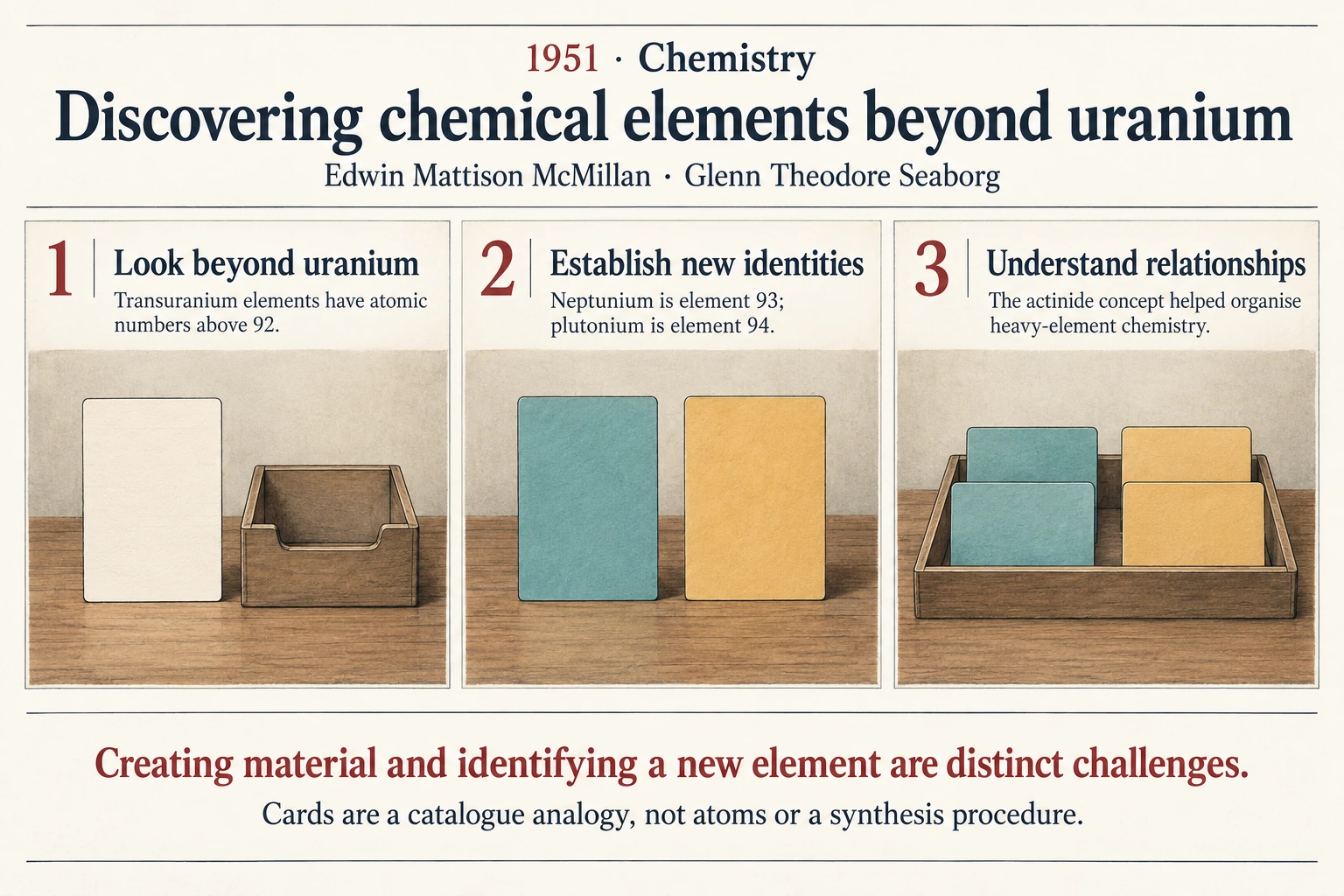
Infographic explaining Discovering chemical elements beyond uranium
Original AI-generated infographic. A conceptual overview; the explanations and sources below provide context.
Read the poster text

Creating material and identifying a new element are distinct challenges.

  1. Look beyond uranium

    Transuranium elements have atomic numbers above 92.

  2. Establish new identities

    Neptunium is element 93; plutonium is element 94.

  3. Understand relationships

    The actinide concept helped organise heavy-element chemistry.

Cards are a catalogue analogy, not atoms or a synthesis procedure.

01 · The discovery

The idea, in everyday language

An element is defined by the number of protons in its nucleus. Uranium has 92; identifying something beyond it requires evidence for a different chemical element, not just a heavier isotope of uranium. In 1940 McMillan and Philip Abelson identified neptunium, atomic number 93. Chemical behaviour and radioactive evidence helped distinguish it from known material.

Work begun with McMillan led Seaborg, Joseph Kennedy and Arthur Wahl to the chemical identification of plutonium, atomic number 94, in February 1941. Seaborg’s 1944 actinide concept helped organise heavy-element chemistry through relationships among their electron structures and properties. By the 1951 award, the known transuranium elements extended through californium; subsequent discoveries belong to later history.

Why it matters

The work enlarged the periodic system and connected nuclear transformations with chemical identification. McMillan and Seaborg received one half each, while collaborators were essential to the discoveries. These elements also became tied to nuclear energy and weapons, with major consequences beyond the scientific identification itself.
02 · The people

Who brought the idea to life?

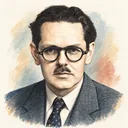
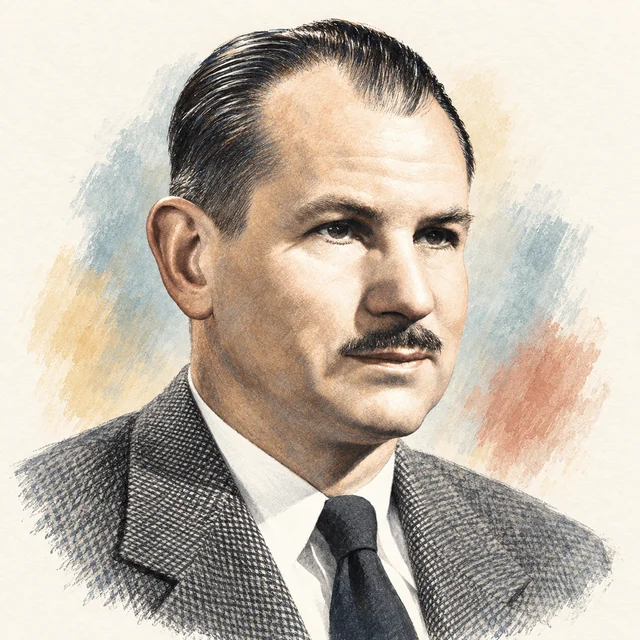
Illustrated portrait of Edwin Mattison McMillan

Edwin Mattison McMillan

Prize share · 1/2

McMillan identified neptunium with Philip Abelson in 1940 and contributed to subsequent heavy-element research. He received one half of the prize for transuranium chemistry.

Read the biography ↗
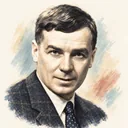
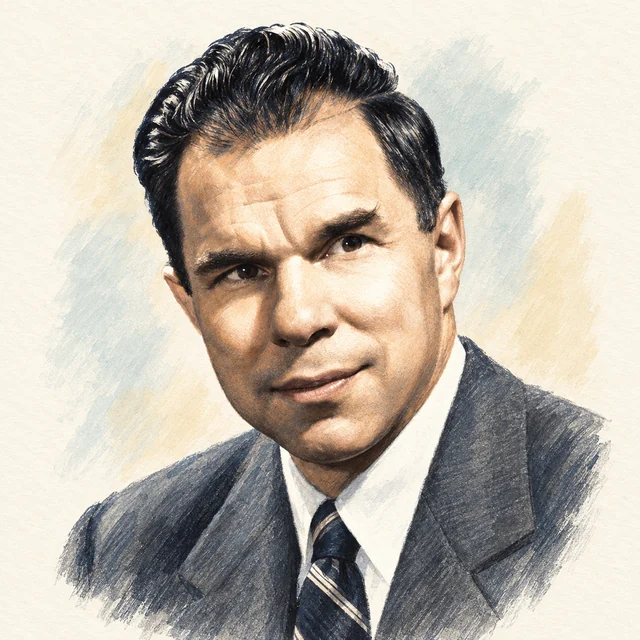
Illustrated portrait of Glenn Theodore Seaborg

Glenn Theodore Seaborg

Prize share · 1/2

Seaborg and collaborators identified plutonium and other transuranium elements; his actinide concept helped explain their chemical relationships. He received one half of the prize.

Read the biography ↗

03 · Years in the making

The path here

  1. 1932

    McMillan joins Berkeley after his Princeton doctorate.

  2. 1937

    Seaborg completes his Berkeley chemistry doctorate.

  3. 1940

    McMillan and Abelson identify neptunium.

  4. 1941

    The Berkeley team chemically identifies plutonium.

  5. 1944

    Seaborg formulates the actinide concept.

  6. 1951

    McMillan and Seaborg share the Chemistry Prize.

04 · Read further

From the original sources

Original explanations by Curionode, based on the official records below. Biographical details and affiliations refer to the award year.

  1. Official award summary nobelprize.org
  2. Award ceremony speech nobelprize.org
  3. Berkeley Lab: Seaborg’s retrospective on discoveries www2.lbl.gov
  4. Official biography: Edwin Mattison McMillan nobelprize.org
  5. Official biography: Glenn Theodore Seaborg nobelprize.org

More in Chemistry

Browse this subject ↗