c.curionodeThe Nobel Archive

1952 · Chemistry

Separate a mixture through repeated partition

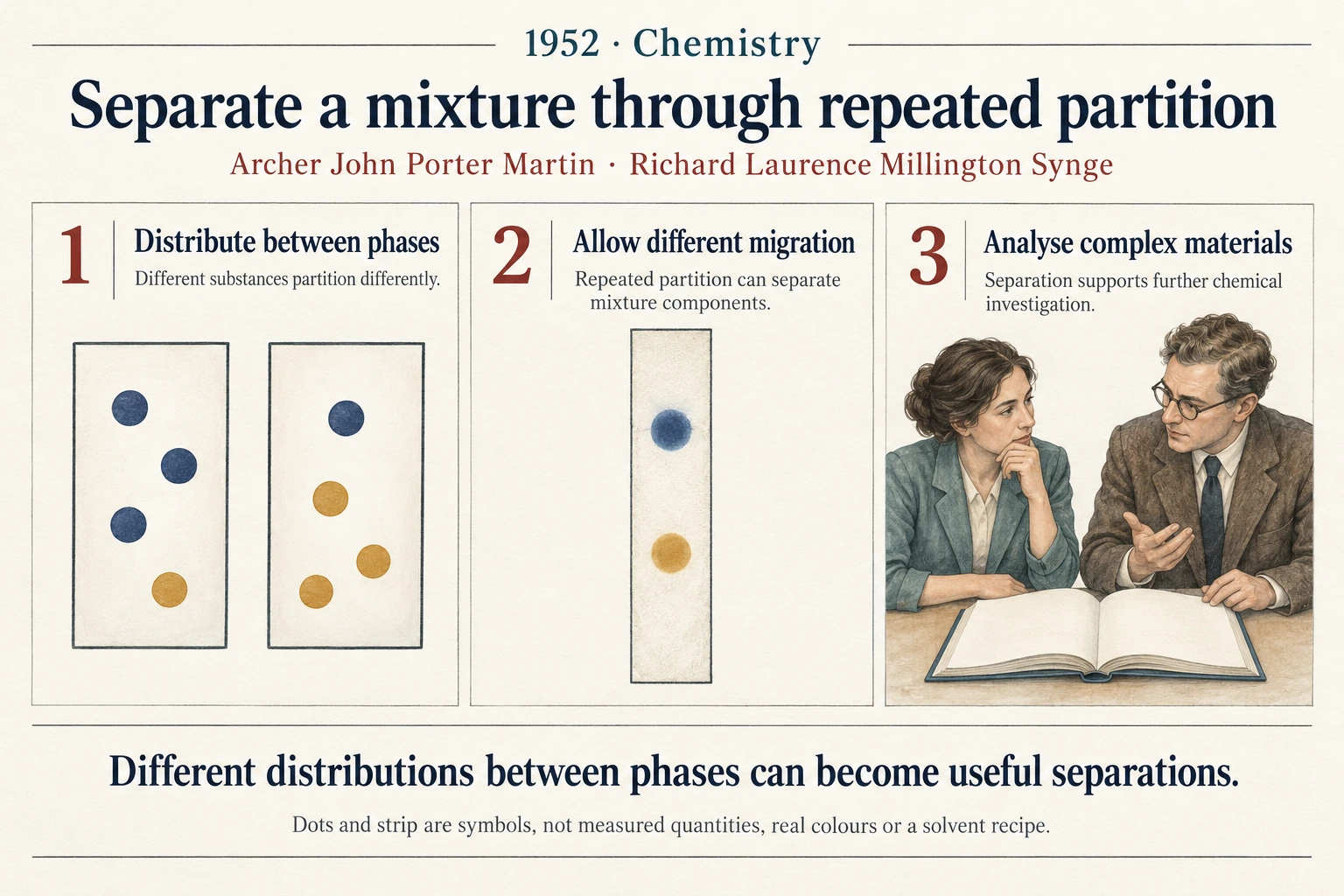
Martin and Synge’s partition chromatography uses differences in how substances distribute between phases to separate complex mixtures.

Partition chromatographyAnalytical separationMixtures and phases
1952Chemistry

Visual guide

The prize, pictured

Infographic explaining Separate a mixture through repeated partition
Original AI-generated infographic. A conceptual overview; the explanations and sources below provide context.
Read the poster text

Different distributions between phases can become useful separations.

  1. Distribute between phases

    Different substances partition differently.

  2. Allow different migration

    Repeated partition can separate mixture components.

  3. Analyse complex materials

    Separation supports further chemical investigation.

Dots and strip are symbols, not measured quantities, real colours or a solvent recipe.

01 · The discovery

The idea, in everyday language

Studying a biological material often begins with separating closely related substances. Martin and Synge developed a method in which components distribute differently between two liquid phases. Repeated partition between a stationary phase and a moving phase can make components travel at different rates.

Their first paper appeared in 1941. In a paper-chromatography implementation, water held by the paper participates as a stationary liquid while another liquid phase moves. Other forms followed, including Martin and A. T. James’s gas-liquid work. The prize recognised the partition principle, rather than inventing all chromatography or merely substituting paper for a column.

Why it matters

The method helped scientists analyse amino acids, peptides and other complicated mixtures. Separating fragments supported investigations of larger molecules and metabolic pathways. A separated spot or band is evidence for analysis, not by itself a complete identification or a full protein sequence.
02 · The people

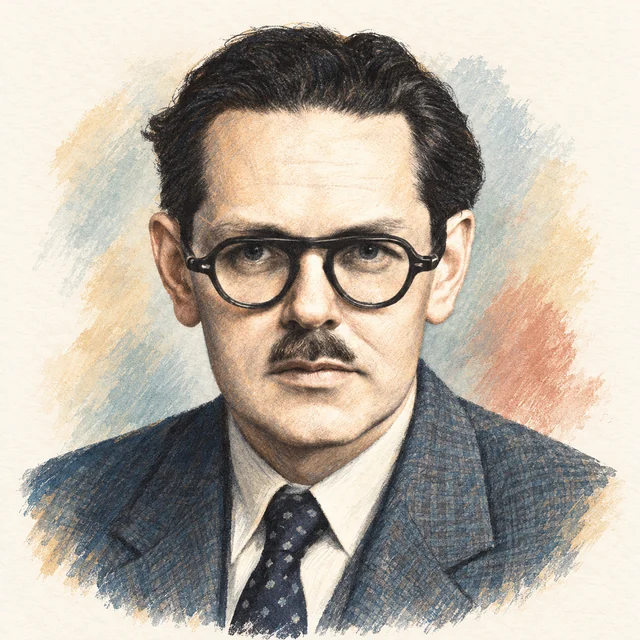
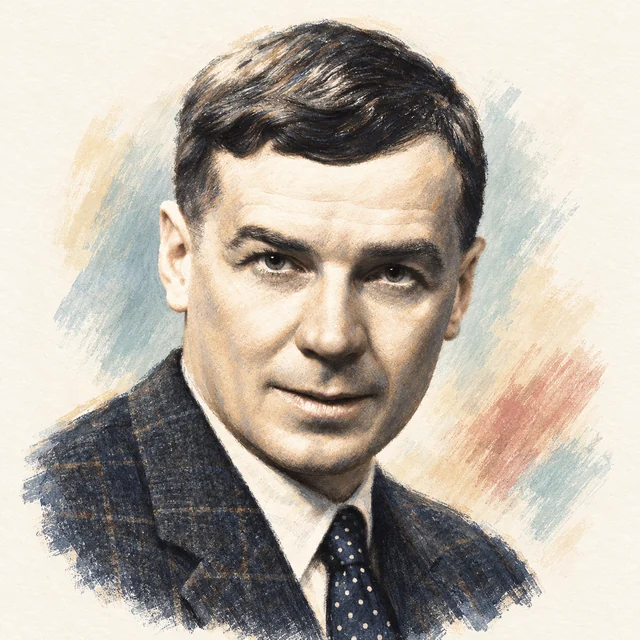
Who brought the idea to life?

03 · Years in the making

The path here

  1. 1910

    Martin is born in London.

  2. 1914

    Synge is born in Liverpool.

  3. 1938

    Martin joins the Wool Industries Research Association in Leeds.

  4. 1941

    Martin and Synge publish their two-liquid-phase separation method.

  5. 1948

    Martin joins the MRC; Synge becomes Rowett’s protein-chemistry head.

  6. 1952

    Martin leads NIMR’s physical chemistry division; both receive half the Chemistry Prize.

04 · Read further

From the original sources

Original explanations by Curionode, based on the official records below. Biographical details and affiliations refer to the award year.

  1. Official award summary nobelprize.org
  2. Award ceremony speech nobelprize.org
  3. Official biography: Archer John Porter Martin nobelprize.org
  4. Official biography: Richard Laurence Millington Synge nobelprize.org

More in Chemistry

Browse this subject ↗