c.curionodeThe Nobel Archive

1967 · Physiology or Medicine

How light becomes a processed visual signal

Wald investigated visual chemistry, Granit retinal electrical responses and Hartline interactions among visual units. Their work revealed complementary stages of early vision.

Visual pigmentsRetinal responsesLateral inhibition
1967Physiology or Medicine

Visual guide

The prize, pictured

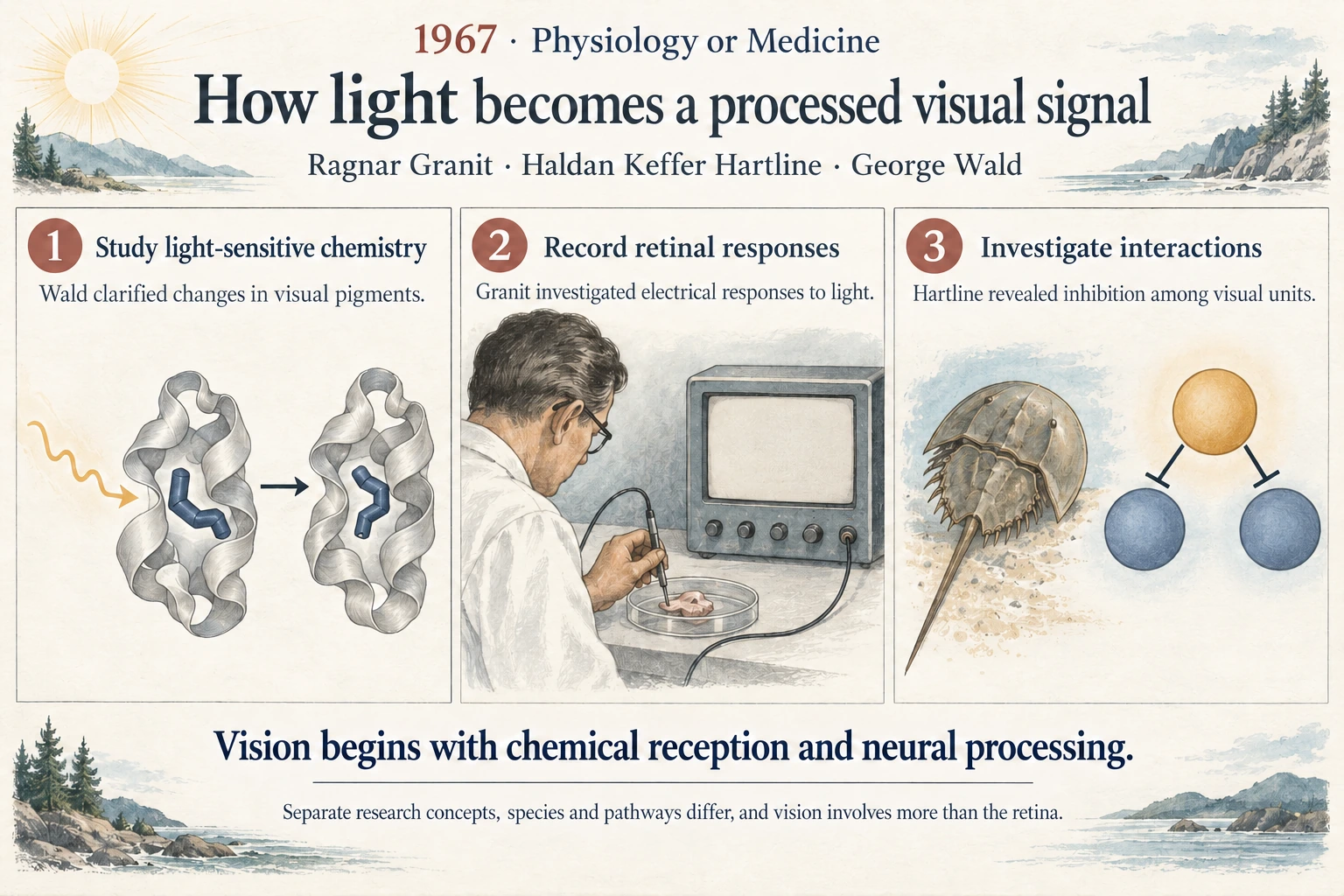
Infographic explaining How light becomes a processed visual signal
Original AI-generated infographic. A conceptual overview; the explanations and sources below provide context.
Read the poster text

Vision begins with chemical reception and neural processing.

  1. Study light-sensitive chemistry

    Wald clarified changes in visual pigments.

  2. Record retinal responses

    Granit investigated electrical responses to light.

  3. Investigate interactions

    Hartline revealed inhibition among visual units.

Separate research concepts; species and pathways differ, and vision involves more than the retina.

01 · The discovery

The idea, in everyday language

Light reception begins with light-sensitive pigments. Wald and collaborators, including Ruth Hubbard, clarified the vitamin-A-related chemistry of visual pigments and the changes initiated by light. A vitamin-A-derived component works within a protein; it is not a free vitamin molecule acting alone.

Granit recorded retinal electrical responses and investigated differing sensitivities to light. Hartline studied single visual nerve fibres and, with collaborators including Floyd Ratliff, inhibitory interactions in the horseshoe-crab eye. Activity in one unit can reduce neighbouring responses. The retina processes signals before they reach the brain through the optic nerve.

Why it matters

The complementary chemical and physiological work helped establish how light is converted into signals and how interactions shape those signals. Each scientist received one third of the prize. Collaborators and other visual researchers also contributed to this developing account.
02 · The people

Who brought the idea to life?

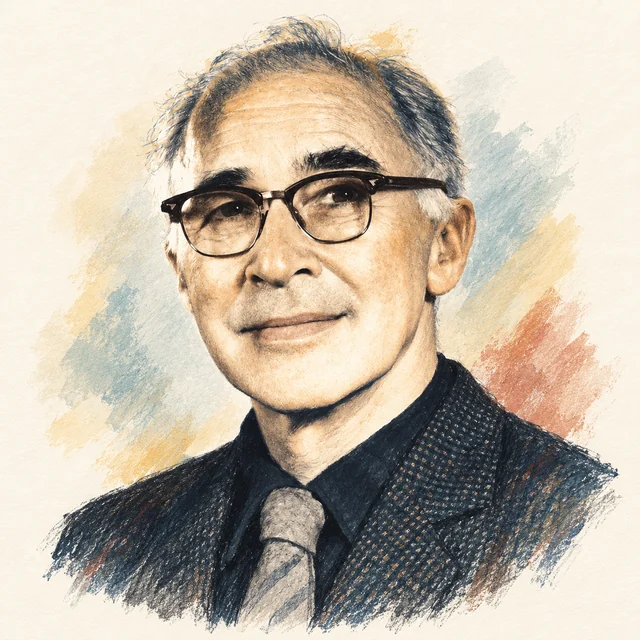
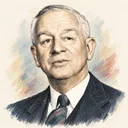
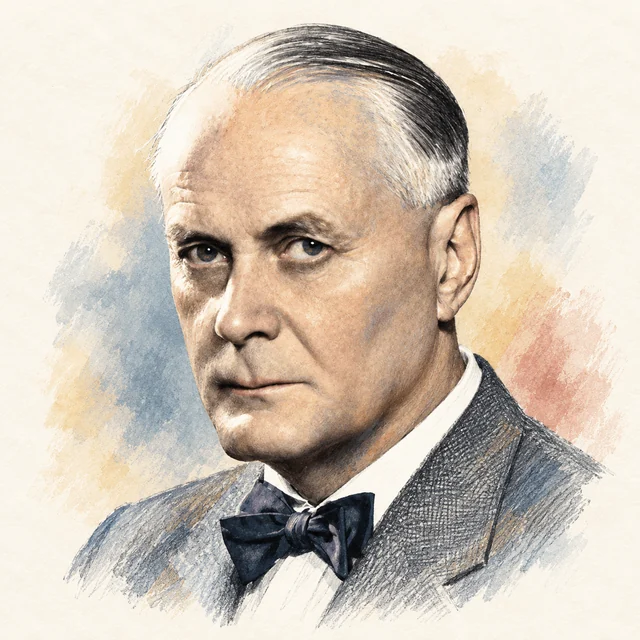
Illustrated portrait of Ragnar Granit

Ragnar Granit

Prize share · 1/3

Granit investigated electrical responses of the retina, including differing colour sensitivities. He received one third of the Medicine Prize.

Read the biography ↗
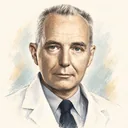
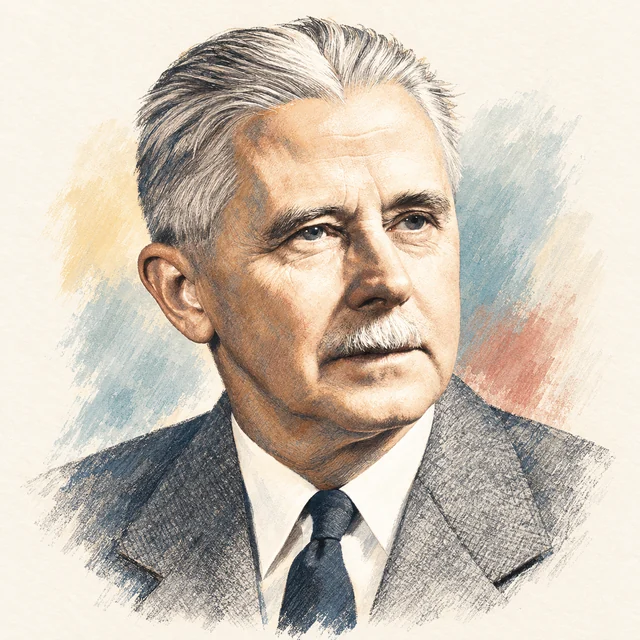
Illustrated portrait of George Wald

George Wald

Prize share · 1/3

Wald clarified the chemistry of visual pigments and their light-induced changes. He received one third of the Medicine Prize.

Read the biography ↗

03 · Years in the making

The path here

  1. 1927

    Granit and Hartline complete medical degrees.

  2. 1931

    Hartline begins work at Pennsylvania on visual nerve fibres.

  3. 1932–1934

    Wald’s fellowship research establishes retinal vitamin-A chemistry.

  4. 1934

    Wald joins Harvard.

  5. 1940

    Granit moves to Karolinska Institutet.

  6. 1953–1954

    Hartline joins Rockefeller and begins work with Ratliff.

  7. 1967

    The three researchers share the Medicine Prize.

04 · Read further

From the original sources

Original explanations by Curionode, based on the official records below. Biographical details and affiliations refer to the award year.

  1. Official award summary nobelprize.org
  2. Award ceremony speech nobelprize.org
  3. NEI retinal signalling overview nei.nih.gov
  4. Official biography: Ragnar Granit nobelprize.org
  5. Official biography: Haldan Keffer Hartline nobelprize.org
  6. Official biography: George Wald nobelprize.org

More in Physiology or Medicine

Browse this subject ↗