c.curionodeThe Nobel Archive

1971 · Peace

Practical steps from confrontation toward dialogue

Europe remained divided by the Cold War. Brandt’s government pursued agreements and reconciliation that made meaningful East–West dialogue more possible.

DétenteEast–West dialogueReconciliation
1971Peace

Visual guide

The prize, pictured

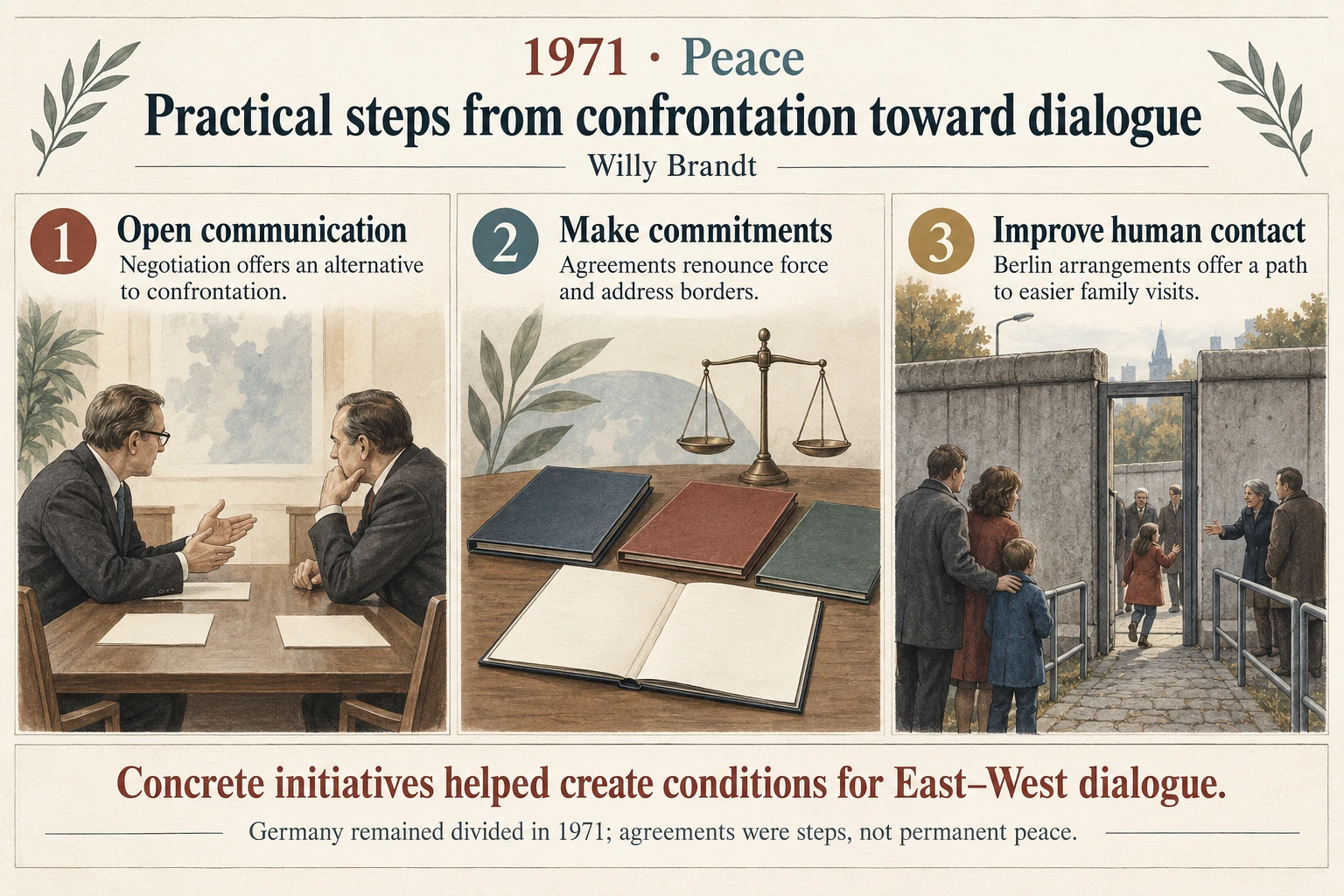
Infographic explaining Practical steps from confrontation toward dialogue
Original AI-generated infographic. A conceptual overview; the explanations and sources below provide context.
Read the poster text

Concrete initiatives helped create conditions for East–West dialogue.

  1. Open communication

    Negotiation offers an alternative to confrontation.

  2. Make commitments

    Agreements renounce force and address borders.

  3. Improve human contact

    Berlin arrangements offer a path to easier family visits.

Germany remained divided in 1971; agreements were steps, not permanent peace.

01 · The contribution

The idea, in everyday language

As West German foreign minister and then chancellor, Brandt sought détente while maintaining Western cooperation. His government signed the nuclear Non-Proliferation Treaty in 1969. The Moscow agreement of August 1970 renounced force; the Warsaw agreement of December 1970 recognised Poland’s western border and renounced territorial claims.

The 1971 Four Power Agreement on Berlin provided a framework for reducing tension and improving movement and family contacts. Brandt’s kneeling at the Warsaw ghetto memorial expressed the personal importance of reconciliation. The committee recognised these concrete diplomatic initiatives and their possibilities for further peace.

Why it matters

The recognised work addressed dangerous confrontations and the human costs of divided Europe. Renouncing force and acknowledging borders helped create conditions for negotiation; measures concerning Berlin also mattered to families separated by political barriers.
02 · The people

Who brought the idea to life?

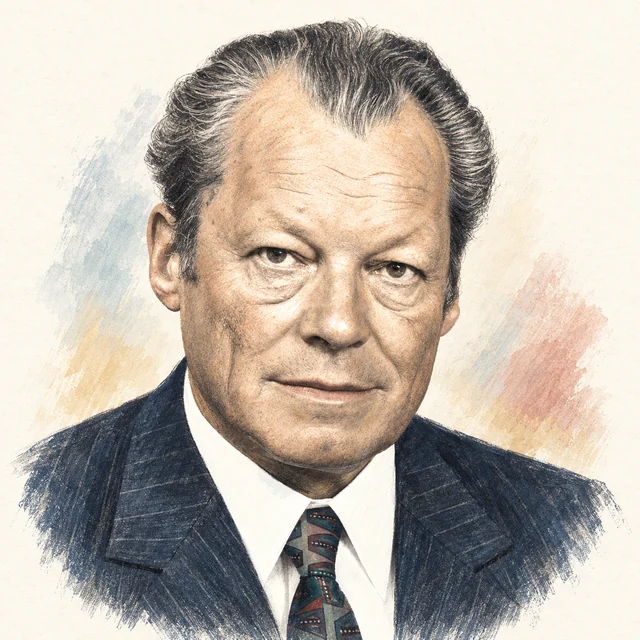
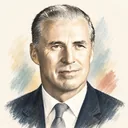
Illustrated portrait of Willy Brandt

Willy Brandt

Prize share · 1

Brandt pursued concrete diplomatic steps toward meaningful East–West dialogue and reconciliation. He received the entire Peace Prize.

Read the biography ↗

03 · Years in the making

The path here

  1. 1933

    Brandt escapes Nazi persecution to Norway.

  2. 1957

    He becomes mayor of West Berlin.

  3. 1969

    He becomes chancellor; his government signs the NPT.

  4. 1970

    Moscow and Warsaw agreements are signed.

  5. 1971

    The Four Power Agreement is signed; Brandt receives the Peace Prize.

04 · Read further

From the original sources

Original explanations by Curionode, based on the official records below. Biographical details and affiliations refer to the award year.

  1. Official award summary nobelprize.org
  2. Award ceremony speech nobelprize.org
  3. Official biography: Willy Brandt nobelprize.org