c.curionodeThe Nobel Archive

1972 · Chemistry

Connecting protein sequence, shape and catalytic activity

An enzyme’s amino-acid sequence and folded structure are linked to its activity. Anfinsen investigated folding information; Moore and Stein examined the chemical groups of ribonuclease’s active centre.

Protein foldingEnzyme chemistryStructure and function
1972Chemistry

Visual guide

The prize, pictured

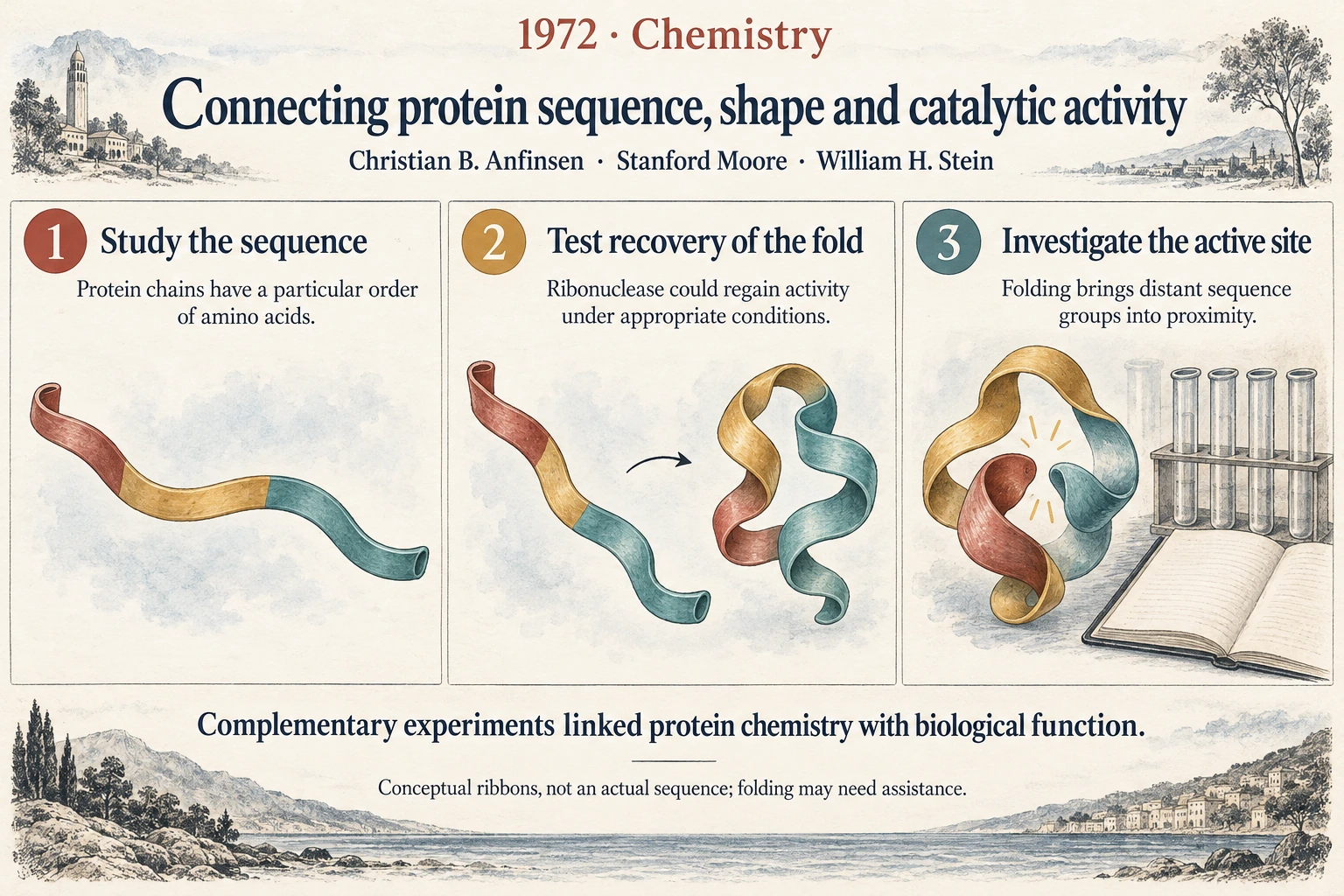
Infographic explaining Connecting protein sequence, shape and catalytic activity
Original AI-generated infographic. A conceptual overview; the explanations and sources below provide context.
Read the poster text

Complementary experiments linked protein chemistry with biological function.

  1. Study the sequence

    Protein chains have a particular order of amino acids.

  2. Test recovery of the fold

    Ribonuclease could regain activity under appropriate conditions.

  3. Investigate the active site

    Folding brings distant sequence groups into proximity.

Conceptual ribbons, not an actual sequence; folding may need assistance.

01 · The discovery

The idea, in everyday language

Anfinsen and colleagues disrupted ribonuclease’s folded structure and disulfide bonds, then studied recovery under appropriate conditions. The enzyme could regain its native form and activity. The sequence contained information needed for the active conformation, without a separate genetic template specifying its final shape. Assistance with folding can still affect how efficiently that state is reached.

Moore and Stein developed quantitative methods for separating and analysing amino acids and peptides. Chemical modification helped identify unusually reactive groups involved in catalysis. Groups far apart along a linear sequence can come together in the folded active site. These complementary approaches linked molecular composition, three-dimensional organisation and biological function.

Why it matters

The work established experimental foundations for understanding why a protein’s particular structure matters to its function. Analytical methods also made detailed protein chemistry more accessible. Anfinsen received half the prize; Moore and Stein shared the other half equally.
02 · The people

Who brought the idea to life?

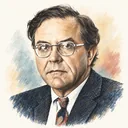
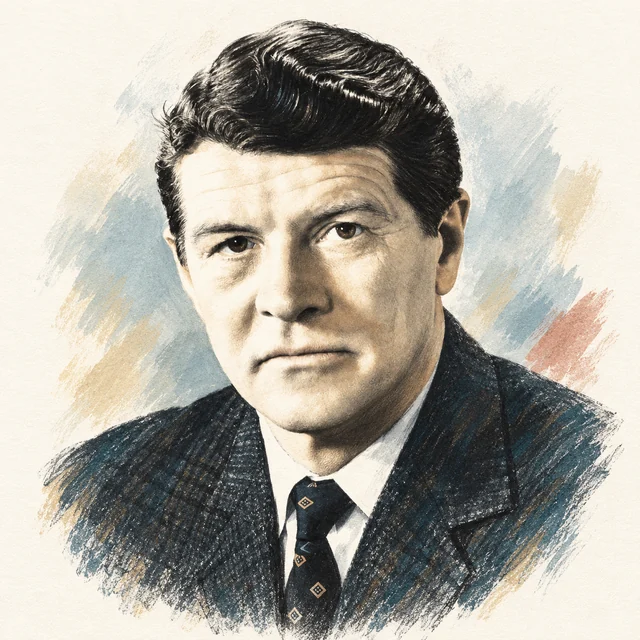
Illustrated portrait of Stanford Moore

Stanford Moore

Prize share · 1/4

Moore and Stein developed protein-analysis methods and investigated how ribonuclease’s active-site structure supports catalysis. Moore received one quarter of the Chemistry Prize.

Read the biography ↗
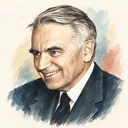
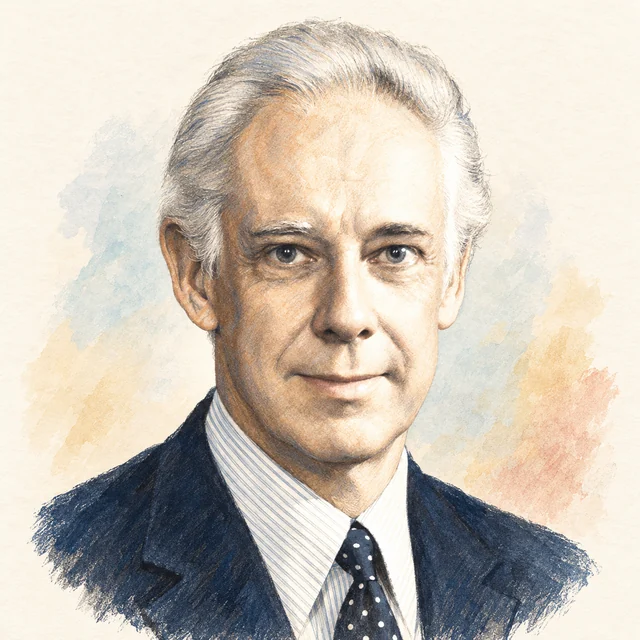
Illustrated portrait of William H. Stein

William H. Stein

Prize share · 1/4

Stein and Moore connected protein chemical analysis with the catalytic groups of ribonuclease’s active site. Stein received one quarter of the Chemistry Prize.

Read the biography ↗

03 · Years in the making

The path here

  1. 1937–1939

    Stein and Moore joined Rockefeller’s protein-chemistry work.

  2. 1950

    Anfinsen moved to the National Institutes of Health.

  3. 1961

    Ribonuclease studies supported the sequence–conformation connection.

  4. 1972

    Folding and active-site contributions shared the Chemistry Prize.

04 · Read further

From the original sources

Original explanations by Curionode, based on the official records below. Biographical details and affiliations refer to the award year.

  1. Official announcement nobelprize.org
  2. Official biography: Christian B. Anfinsen nobelprize.org
  3. Official biography: Stanford Moore nobelprize.org
  4. Official biography: William H. Stein nobelprize.org

More in Chemistry

Browse this subject ↗