c.curionodeThe Nobel Archive

1973 · Physiology or Medicine

Making animal behaviour testable

Animals communicate, attach to companions and respond to signals. Von Frisch, Lorenz and Tinbergen combined close observation with experiments to investigate how such behaviour is organised and elicited.

EthologyCommunicationObservation and experiment
1973Physiology or Medicine

Visual guide

The prize, pictured

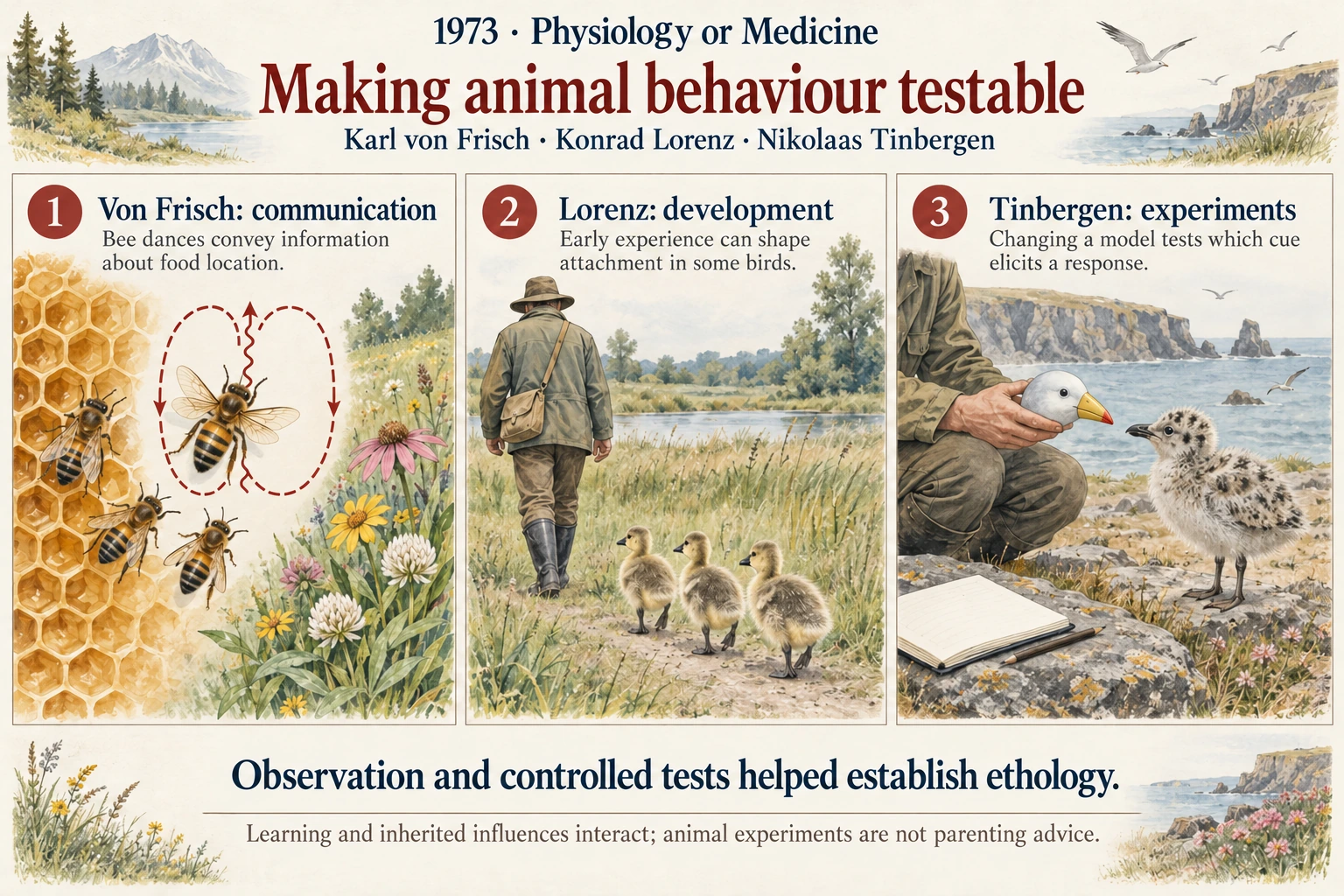
Infographic explaining Making animal behaviour testable
Original AI-generated infographic. A conceptual overview; the explanations and sources below provide context.
Read the poster text

Observation and controlled tests helped establish ethology.

  1. Von Frisch: communication

    Bee dances convey information about food location.

  2. Lorenz: development

    Early experience can shape attachment in some birds.

  3. Tinbergen: experiments

    Changing a model tests which cue elicits a response.

Learning and inherited influences interact; animal experiments are not parenting advice.

01 · The discovery

The idea, in everyday language

Von Frisch controlled food sources and observed bee dances. In the waggle dance, direction relates to the Sun and gravity, while waggle-run duration conveys distance under the bees’ calibration. Lorenz compared social behaviour across animals and investigated imprinting: experience during a sensitive period can shape later following or attachment in some species.

Tinbergen changed models and environmental cues to test what released a response. Altering a feature of a dummy allowed an experiment to distinguish competing explanations. Together these approaches helped establish ethology, linking field behaviour with experimental questions. The three contributions differ, and observation alone cannot identify every underlying neural mechanism.

Why it matters

The work made communication, orientation and social behaviour subjects of systematic biological research. It linked organism, surroundings and development, with implications for later ecology, neuroscience and behavioural studies.
02 · The people

Who brought the idea to life?

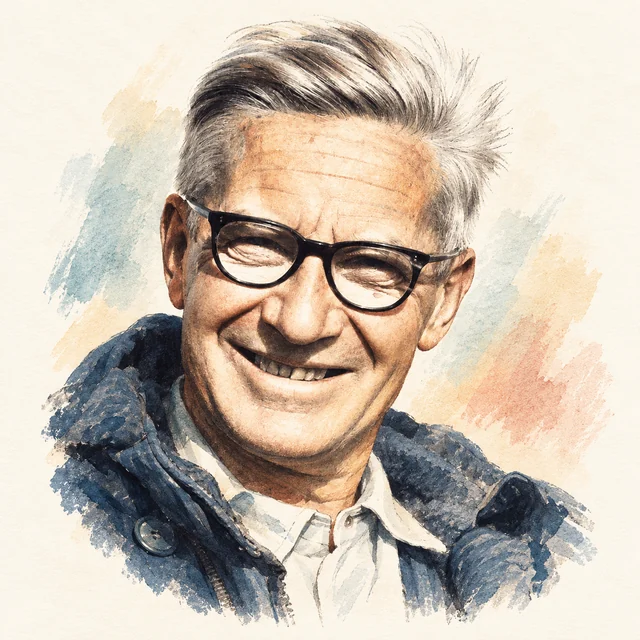
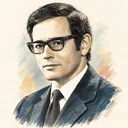
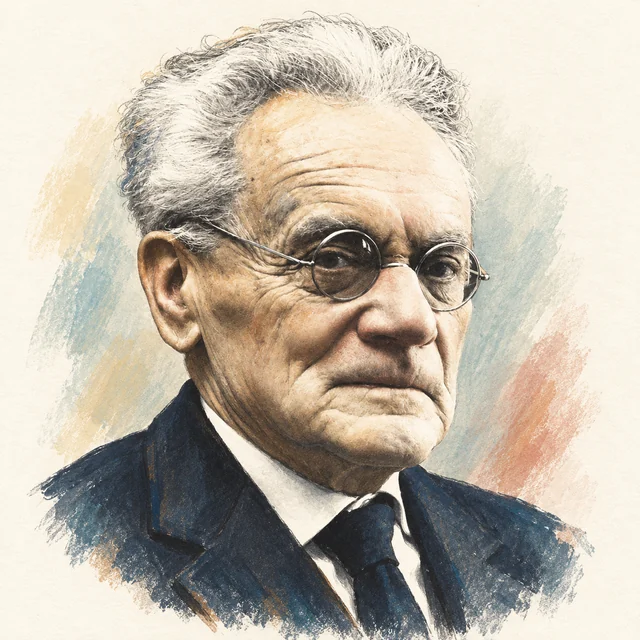
Illustrated portrait of Karl von Frisch

Karl von Frisch

Prize share · 1/3

Von Frisch decoded aspects of bee communication and orientation through controlled behavioural experiments. He received one third of the Medicine Prize.

Read the biography ↗
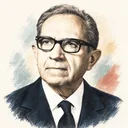
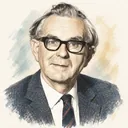
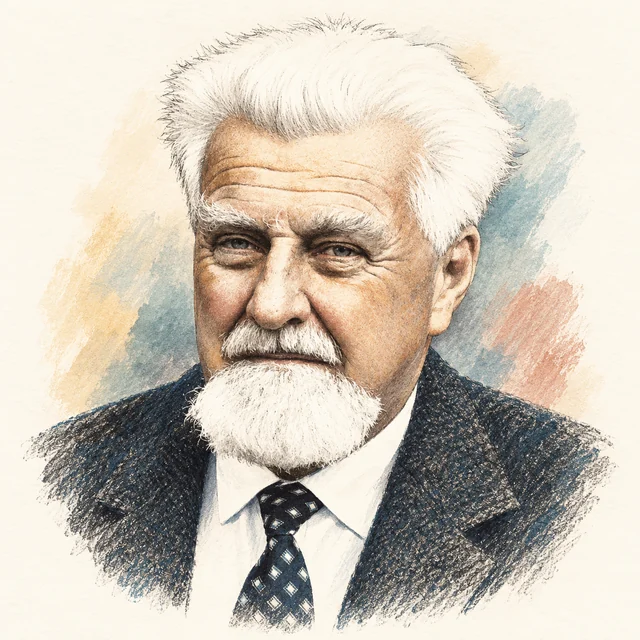
Illustrated portrait of Konrad Lorenz

Konrad Lorenz

Prize share · 1/3

Lorenz helped develop comparative ethology and studies of imprinting and behavioural patterns. He received one third of the Medicine Prize.

Read the biography ↗
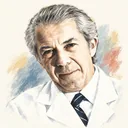
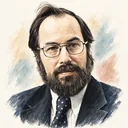
Illustrated portrait of Nikolaas Tinbergen

Nikolaas Tinbergen

Prize share · 1/3

Tinbergen devised field experiments and model-cue tests to investigate what elicits animal behaviour. He received one third of the Medicine Prize.

Read the biography ↗

03 · Years in the making

The path here

  1. 1910

    Von Frisch completed his zoology doctorate.

  2. 1923

    His study of bee communication was published.

  3. 1936

    Lorenz and Tinbergen began collaborating.

  4. 1951

    Tinbergen published The Study of Instinct.

  5. 1973

    The three researchers shared the Medicine Prize equally.

  6. 2023

    Later experiments demonstrated social learning in bee dance precision.

04 · Read further

From the original sources

Original explanations by Curionode, based on the official records below. Biographical details and affiliations refer to the award year.

  1. Official announcement nobelprize.org
  2. Official biography: von Frisch nobelprize.org
  3. Official biography: Lorenz nobelprize.org
  4. Official biography: Tinbergen nobelprize.org
  5. Primary study: social learning in bee dances labs.biology.ucsd.edu
  6. Salzburg University: honorary-degree revocation plus.ac.at

More in Physiology or Medicine

Browse this subject ↗