c.curionodeThe Nobel Archive

1977 · Economic Sciences

Trade connects resources and policy

Why do countries trade different goods, and how do international exchanges interact with domestic goals? Ohlin analysed trade patterns and distribution; Meade studied policy in economies open to trade and capital flows.

The Sveriges Riksbank Prize in Economic Sciences in Memory of Alfred Nobel.

International tradeDistributionOpen-economy policy
1977Economic Sciences

Visual guide

The prize, pictured

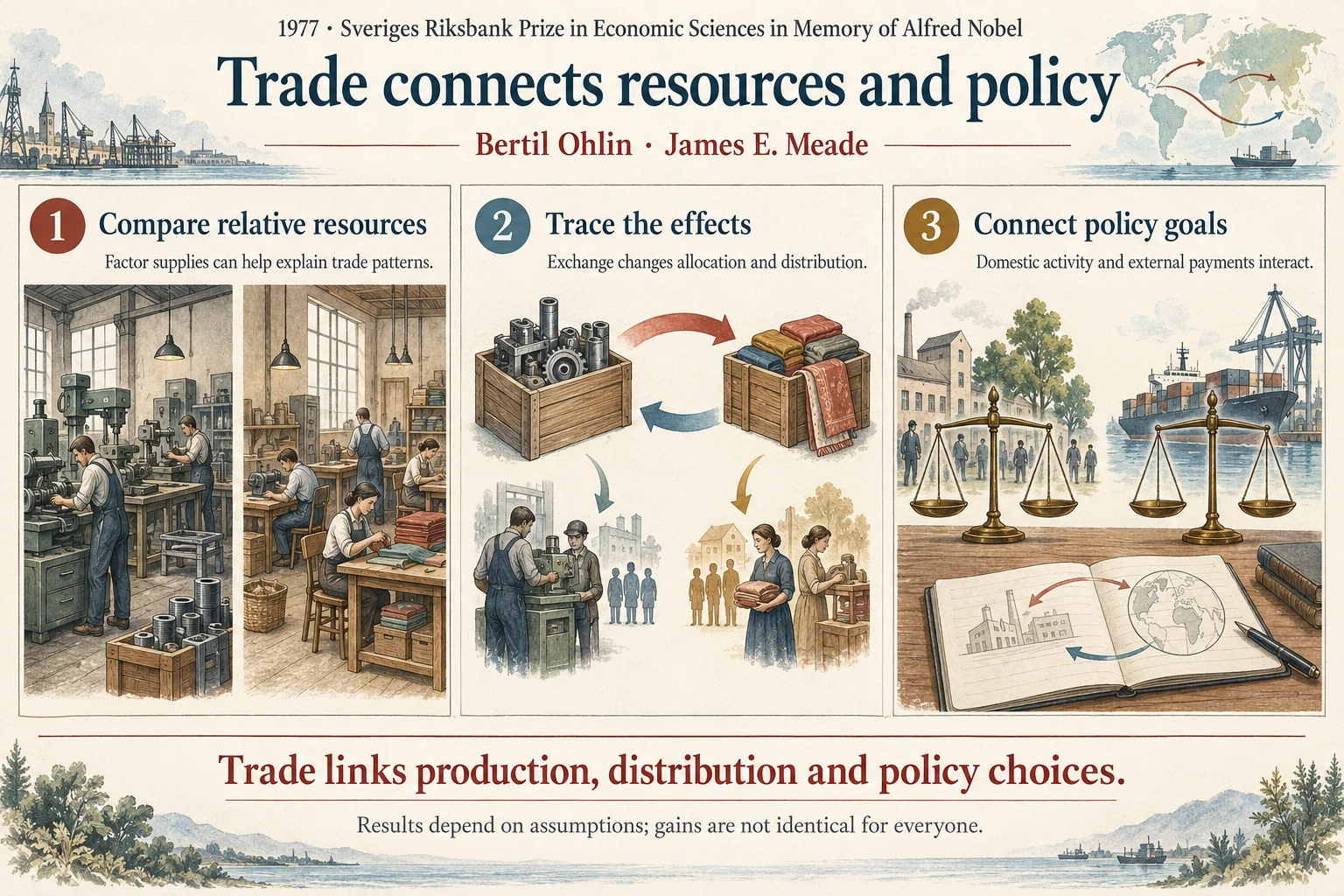
Infographic explaining Trade connects resources and policy
Original AI-generated infographic. A conceptual overview; the explanations and sources below provide context.
Read the poster text

Trade links production, distribution and policy choices.

  1. Compare relative resources

    Factor supplies can help explain trade patterns.

  2. Trace the effects

    Exchange changes allocation and distribution.

  3. Connect policy goals

    Domestic activity and external payments interact.

Results depend on assumptions; gains are not identical for everyone.

01 · The discovery

The idea, in everyday language

Ohlin connected relative supplies of labour, capital and other production factors with the goods a region tends to produce and exchange. In an appropriate model, goods intensive in relatively abundant factors can be easier to supply. Trade changes prices and resource allocation, so income effects need not be identical for every group. Technology, location and model assumptions matter; a factor-proportion model is not a complete description of all trade.

Meade examined the connections between international payments, domestic activity and welfare. Policies aimed at employment and stability can alter imports, exports and capital flows, while measures aimed at external balance affect the domestic economy. His 1951 and 1955 books analysed these interactions and the conditions under which policy tools can address several objectives. Ohlin and Meade received equal halves of the memorial prize for complementary theoretical contributions, not a single universal policy prescription.

Why it matters

Their work helped turn international trade and open-economy policy into more connected analytical fields. It clarifies why trade patterns, distribution, employment and international payments should be considered together, and why a gain for an economy does not guarantee the same gain for every participant.
02 · The people

Who brought the idea to life?

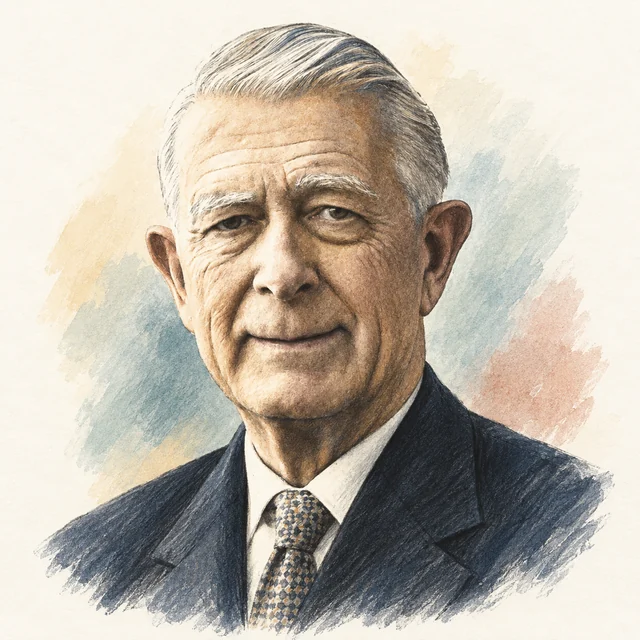
Illustrated portrait of Bertil Ohlin

Bertil Ohlin

Prize share · 1/2

Ohlin analysed how relative supplies of production factors can shape trade, resource allocation and income distribution under specified assumptions. He received one half of the Economic Sciences memorial prize, sharing it with Meade.

Read the biography ↗
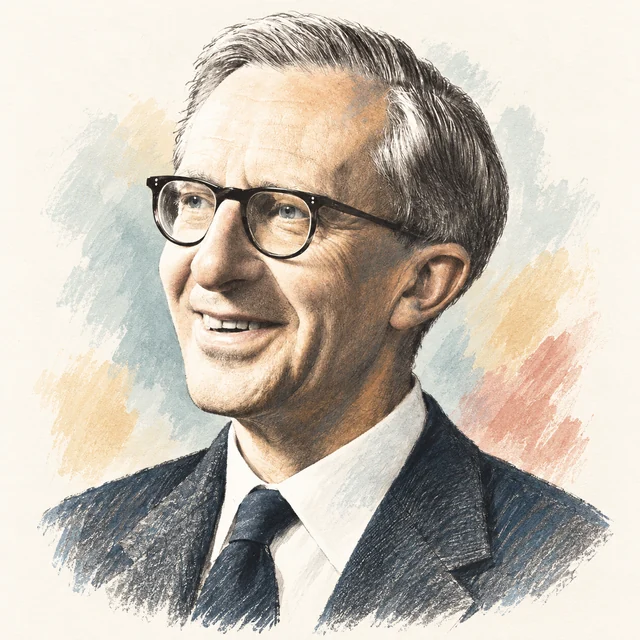
Illustrated portrait of James E. Meade

James E. Meade

Prize share · 1/2

Meade developed international macroeconomic and welfare analysis, examining how policies interact in economies open to trade and capital flows. He received one half of the Economic Sciences memorial prize, sharing it with Ohlin.

Read the biography ↗

03 · Years in the making

The path here

  1. 1924

    Ohlin completes his doctorate on international trade.

  2. 1933

    Interregional and International Trade develops his account of resources, prices and exchange.

  3. 1951

    Meade publishes The Balance of Payments.

  4. 1955

    Trade and Welfare completes the two-part international-policy work.

  5. 1977

    Ohlin and Meade receive equal shares of the Economic Sciences memorial prize.

04 · Read further

From the original sources

Original explanations by Curionode, based on the official records below. Biographical details and affiliations refer to the award year.

  1. Official announcement nobelprize.org

More in Economic Sciences

Browse this subject ↗