01 · The discovery
The idea, in everyday language
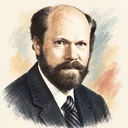
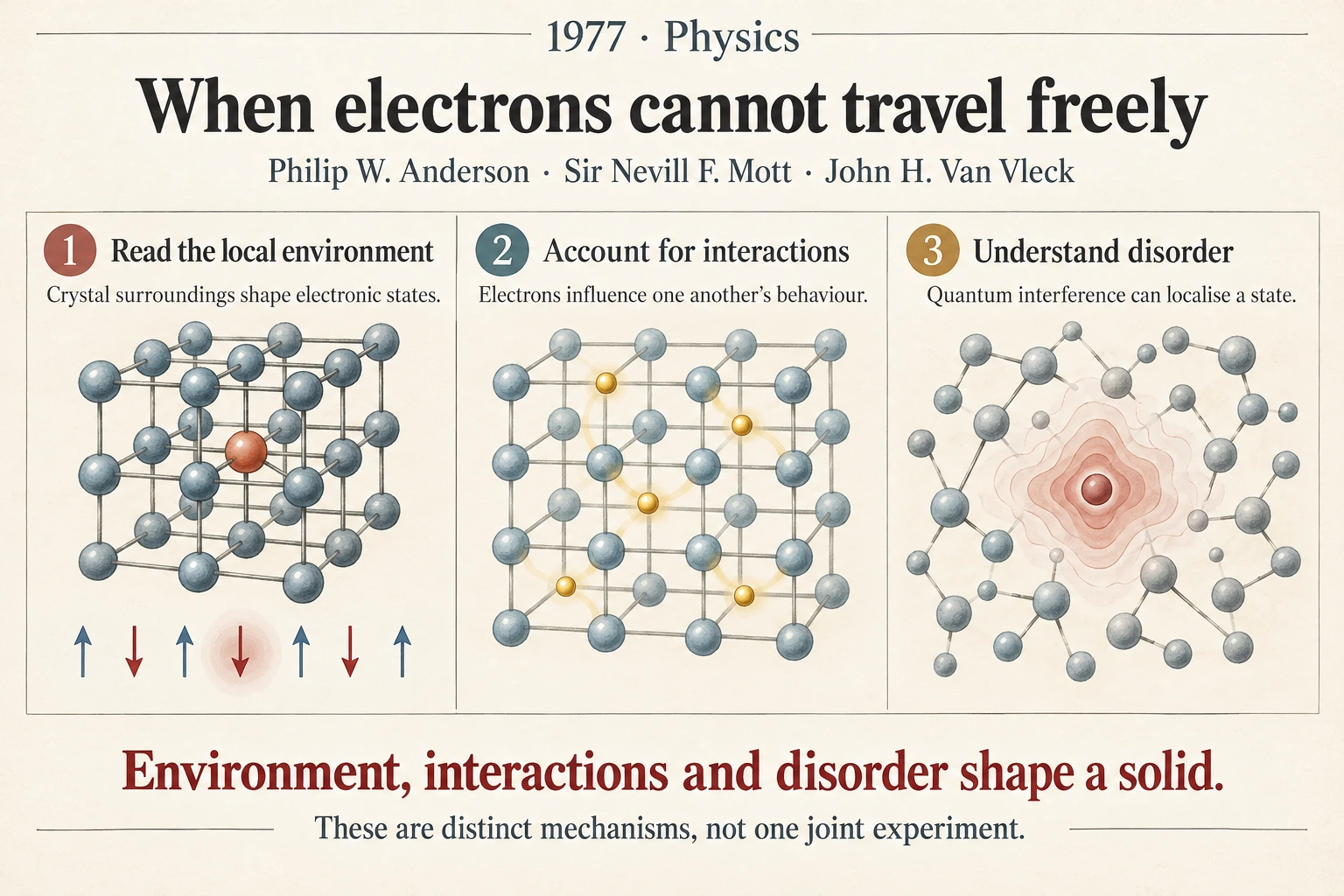
Van Vleck used quantum mechanics to explain magnetic response and how the electric surroundings within a crystal alter atomic electronic states. Those local environments affect the magnetic moments and energy levels available to electrons. His work helped make magnetism a quantitative subject rather than a collection of unrelated material properties.
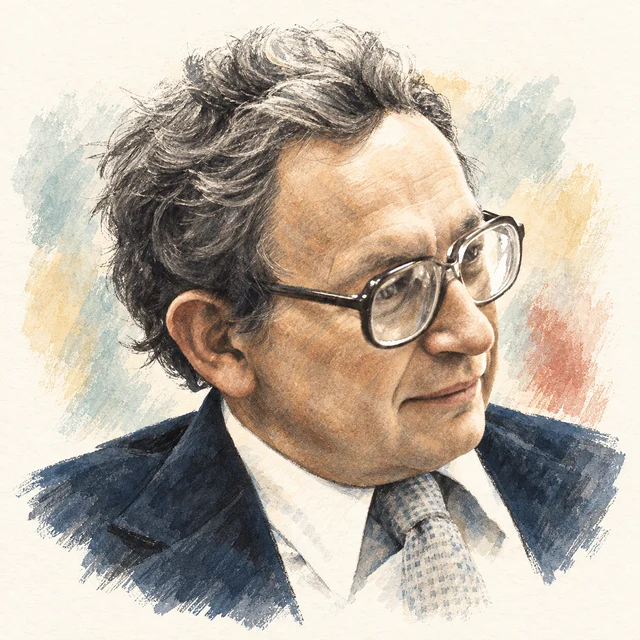
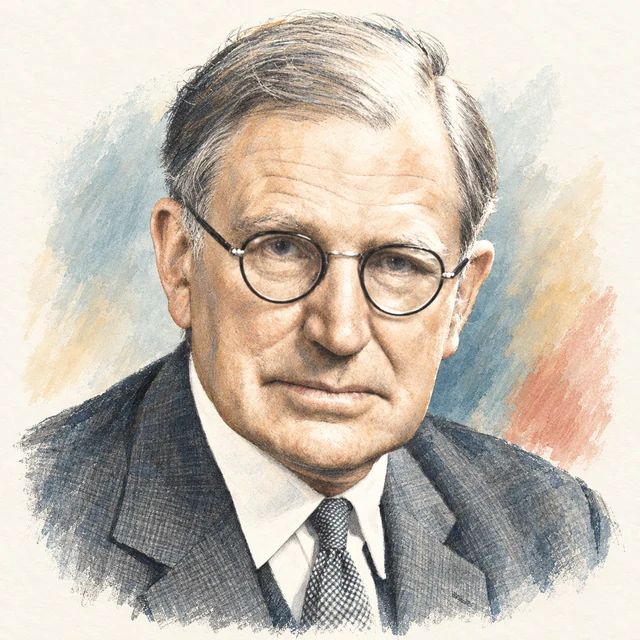
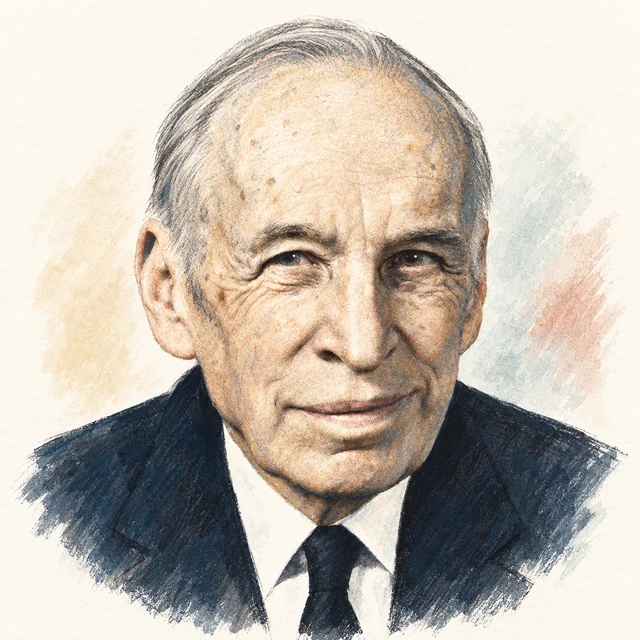
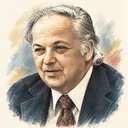
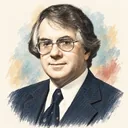
Mott studied how interactions between electrons can obstruct conduction, including metal–insulator transitions. Anderson showed that disorder can localise electronic waves through quantum interference, preventing their spread under appropriate conditions. Interaction-driven insulation and disorder-driven localisation are different mechanisms; real materials can involve both. The three laureates each received one third for related theoretical foundations, not one shared apparatus or a single step-by-step experiment.
Why it matters
These theories enlarged the understanding of magnetic solids, alloys and non-crystalline materials, supporting later condensed-matter research and interpretation of electronic behaviour. They explain why material composition alone is insufficient: arrangement, correlations and quantum states also matter.