01 · The discovery
The idea, in everyday language
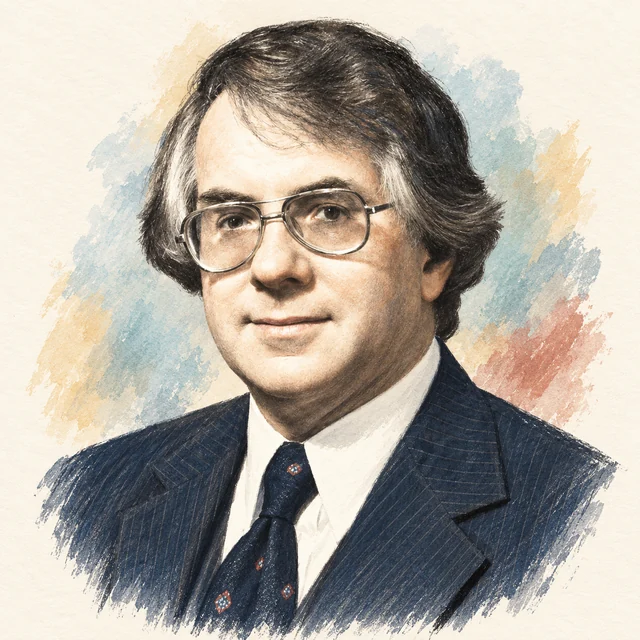
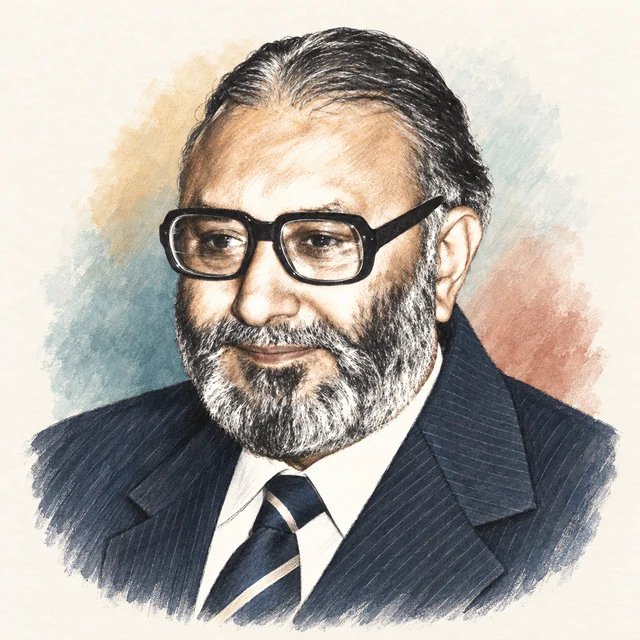
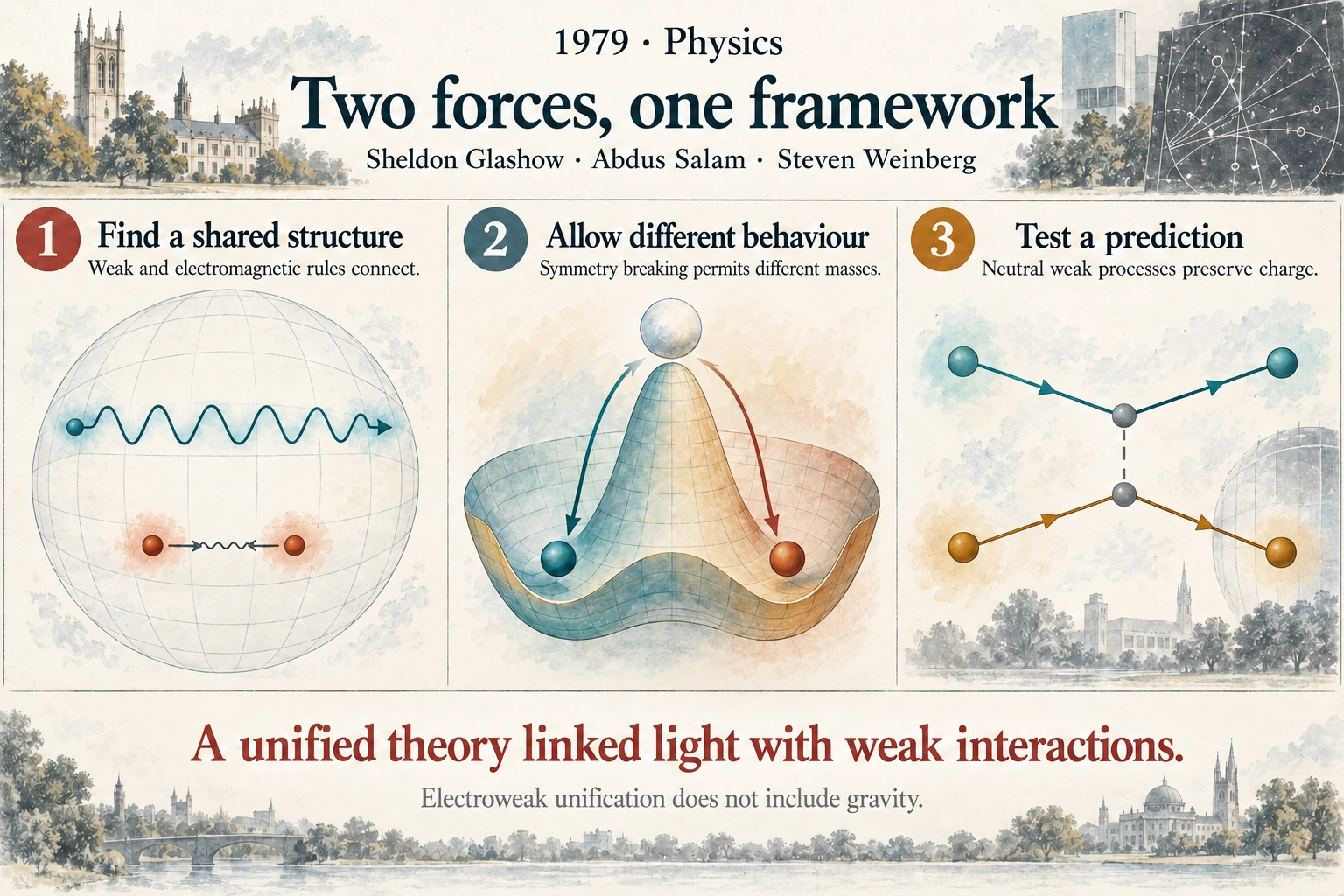
Electromagnetism has a massless carrier, the photon, while weak interactions have massive carriers and a much shorter range. Glashow’s early gauge model included both charged and neutral weak interactions. Weinberg and Salam independently incorporated spontaneous symmetry breaking, which allows the weak carriers to have mass while the photon remains massless. A shared underlying framework can therefore produce quite different observed behaviour.
The theory predicted weak neutral currents: particles can interact through the weak force without exchanging electric charge. The Gargamelle experiment at CERN found evidence for such processes in 1973. Theoretical work by Gerardus ’t Hooft and Martinus Veltman made consistent quantum calculations possible. These were separate contributions to testing and establishing the framework, alongside earlier gauge and symmetry-breaking research.
Why it matters
Electroweak theory became a central part of the Standard Model of particle physics and connected measurable scattering processes with precise theoretical predictions. Each laureate received one third. Direct observation of W and Z particles came in 1983, after this award, and depended on the work of large accelerator and detector collaborations.