c.curionodeThe Nobel Archive

1987 · Chemistry

Design molecules that recognise guests

Crown ethers, cryptands and preorganised hosts connect molecular shape with selective binding.

molecular recognitioncrown etherscryptandssupramolecular chemistry
1987Chemistry

Visual guide

The prize, pictured

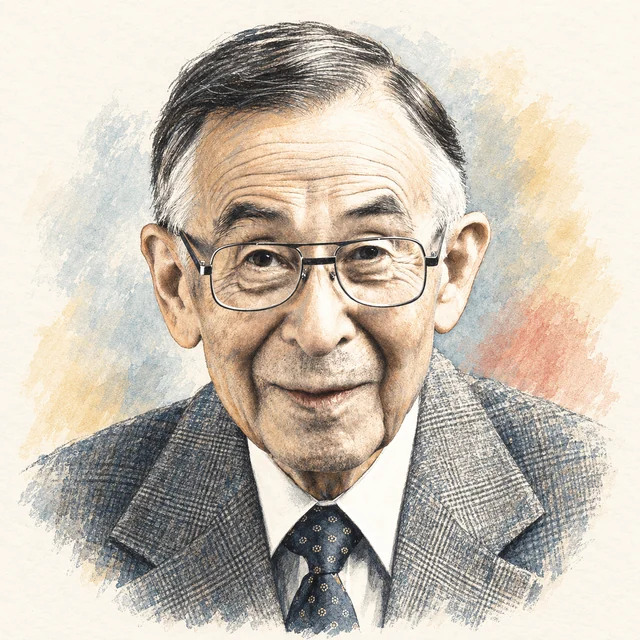
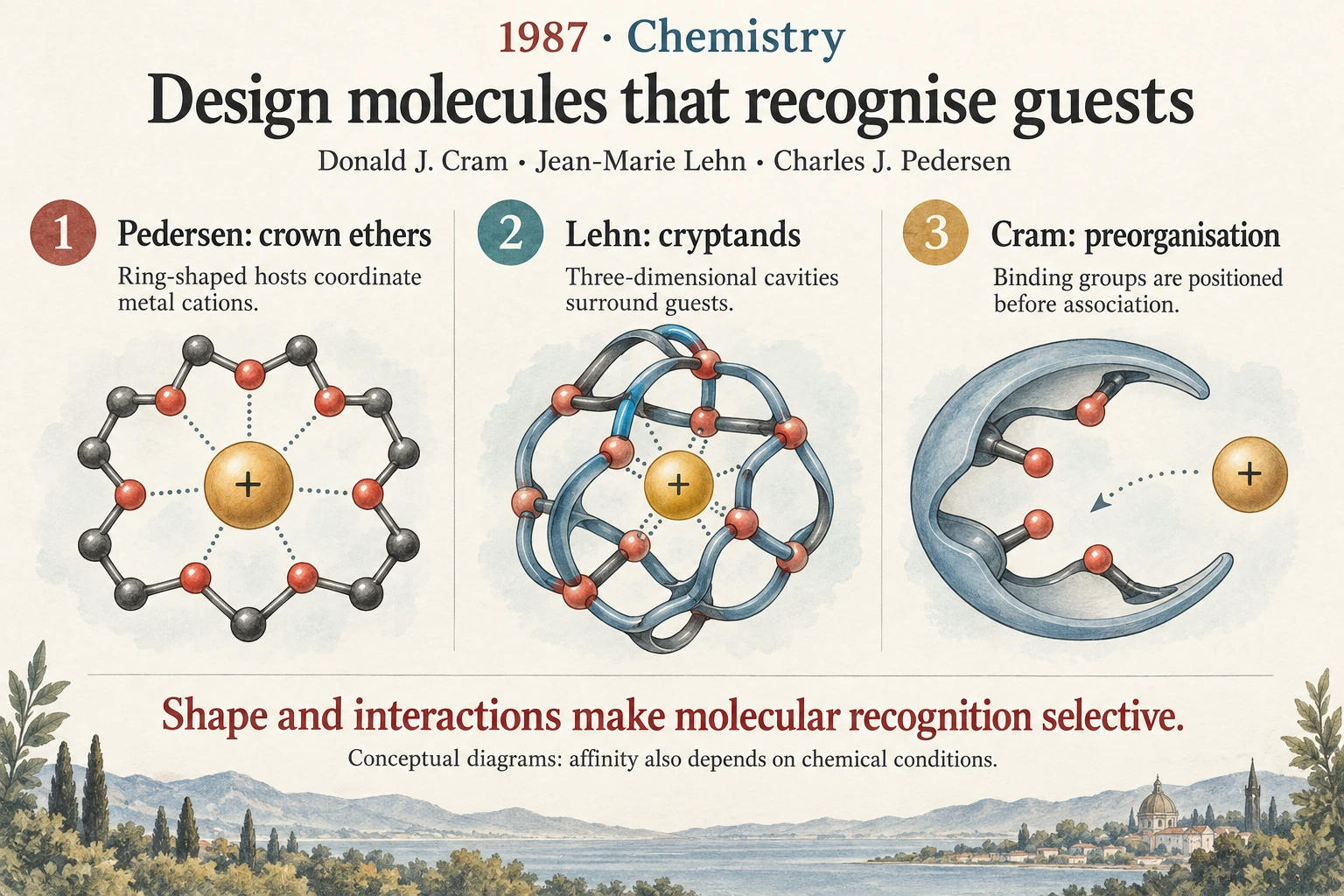
Infographic explaining Design molecules that recognise guests
Original AI-generated infographic. A conceptual overview; the explanations and sources below provide context.
Read the poster text

Shape and interactions make molecular recognition selective.

  1. Pedersen: crown ethers

    Ring-shaped hosts coordinate metal cations.

  2. Lehn: cryptands

    Three-dimensional cavities surround guests.

  3. Cram: preorganisation

    Binding groups are positioned before association.

Conceptual diagrams: affinity also depends on chemical conditions.

01 · The discovery

The idea, in everyday language

Pedersen’s crown ethers showed how a ring of donor atoms could coordinate a metal cation in a cavity. An unexpected crystalline by-product led to deliberate synthesis and experiments. His major papers appeared in 1967. The fit and interactions differed with the guest ion and conditions.

Lehn extended host design into three-dimensional cryptands, with work published in 1969. Cram studied preorganisation: positioning a host’s binding groups before association so less rearrangement is required. Together these approaches established ways to design and understand selective molecular recognition and supramolecular assemblies.

Why it matters

The work linked synthesis with binding experiments and helped establish supramolecular chemistry. Selective hosts became tools for studying ions, transport and organised molecular systems. Pedersen, Lehn and Cram each received one third of the Chemistry Prize for molecules with structure-specific interactions of high selectivity.
02 · The people

Who brought the idea to life?

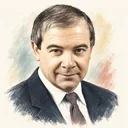
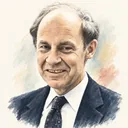
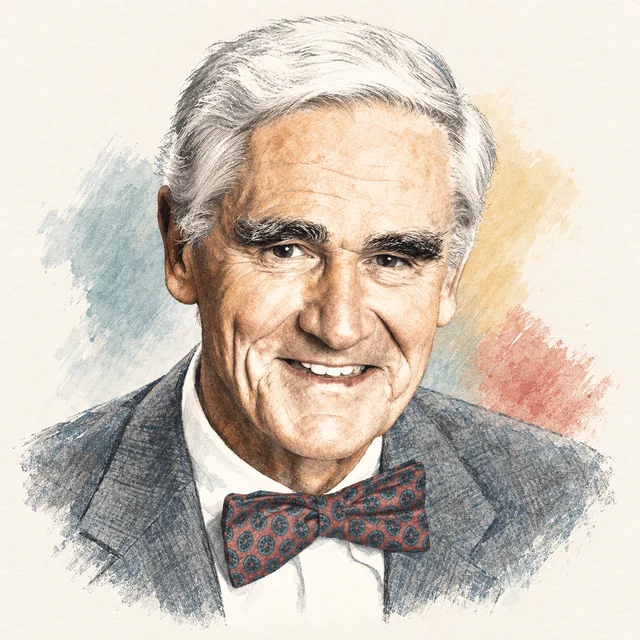
Illustrated portrait of Donald J. Cram

Donald J. Cram

Prize share · 1/3

Cram developed molecular hosts whose binding groups and shapes were organised before a guest arrived. This preorganisation helped explain and improve selective binding, complementing Pedersen’s crown ethers and Lehn’s cryptands. A rigid or well-positioned cavity is a chemical design strategy, not a perfectly immobile lock or a guarantee of exclusive binding. He received one third of the Chemistry Prize.

Read the biography ↗
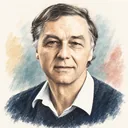
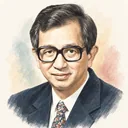
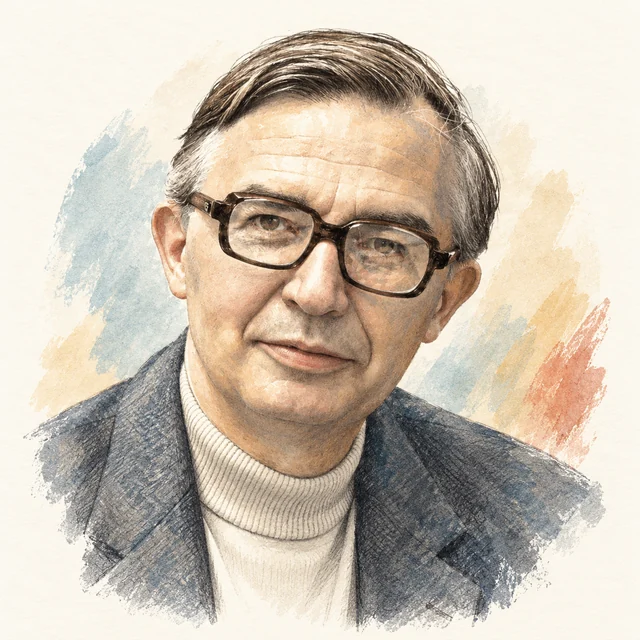
Illustrated portrait of Jean-Marie Lehn

Jean-Marie Lehn

Prize share · 1/3

Lehn designed three-dimensional cryptands whose donor atoms surround a guest ion. Their recognition and binding properties extended the chemistry of ring-shaped crown ethers. He developed supramolecular chemistry: studying organised assemblies held together through interactions between molecules. Cryptand work appeared in 1969 after research begun in 1967. He received one third of the prize; selectivity depends on the host, guest and conditions.

Read the biography ↗
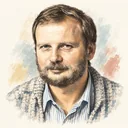
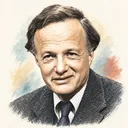
Illustrated portrait of Charles J. Pedersen

Charles J. Pedersen

Prize share · 1/3

Pedersen discovered crown ethers: ring-shaped molecules with oxygen atoms that can coordinate metal cations in a central cavity. The unexpected product dibenzo-18-crown-6 led to systematic synthesis and binding studies. This was a starting point for selective molecular hosts, not a ring that binds every metal equally. He received one third of the Chemistry Prize alongside Cram and Lehn.

Read the biography ↗

03 · Years in the making

The path here

  1. 1960s

    Pedersen investigates the unexpected product that opens crown-ether research.

  2. 1967

    His major crown-ether papers appear.

  3. 1969

    Lehn’s cryptand work is published; Cram develops preorganised host design.

  4. 1987

    Cram, Lehn and Pedersen share the Chemistry Prize equally.

04 · Read further

From the original sources

Original explanations by Curionode, based on the official records below. Biographical details and affiliations refer to the award year.

  1. Official announcement nobelprize.org

More in Chemistry

Browse this subject ↗