c.curionodeThe Nobel Archive

1986 · Chemistry

Investigate what happens in a reaction

Crossed molecular beams and infrared emission revealed how collisions redistribute energy.

molecular beamsreaction dynamicsinfrared emissionenergy
1986Chemistry

Visual guide

The prize, pictured

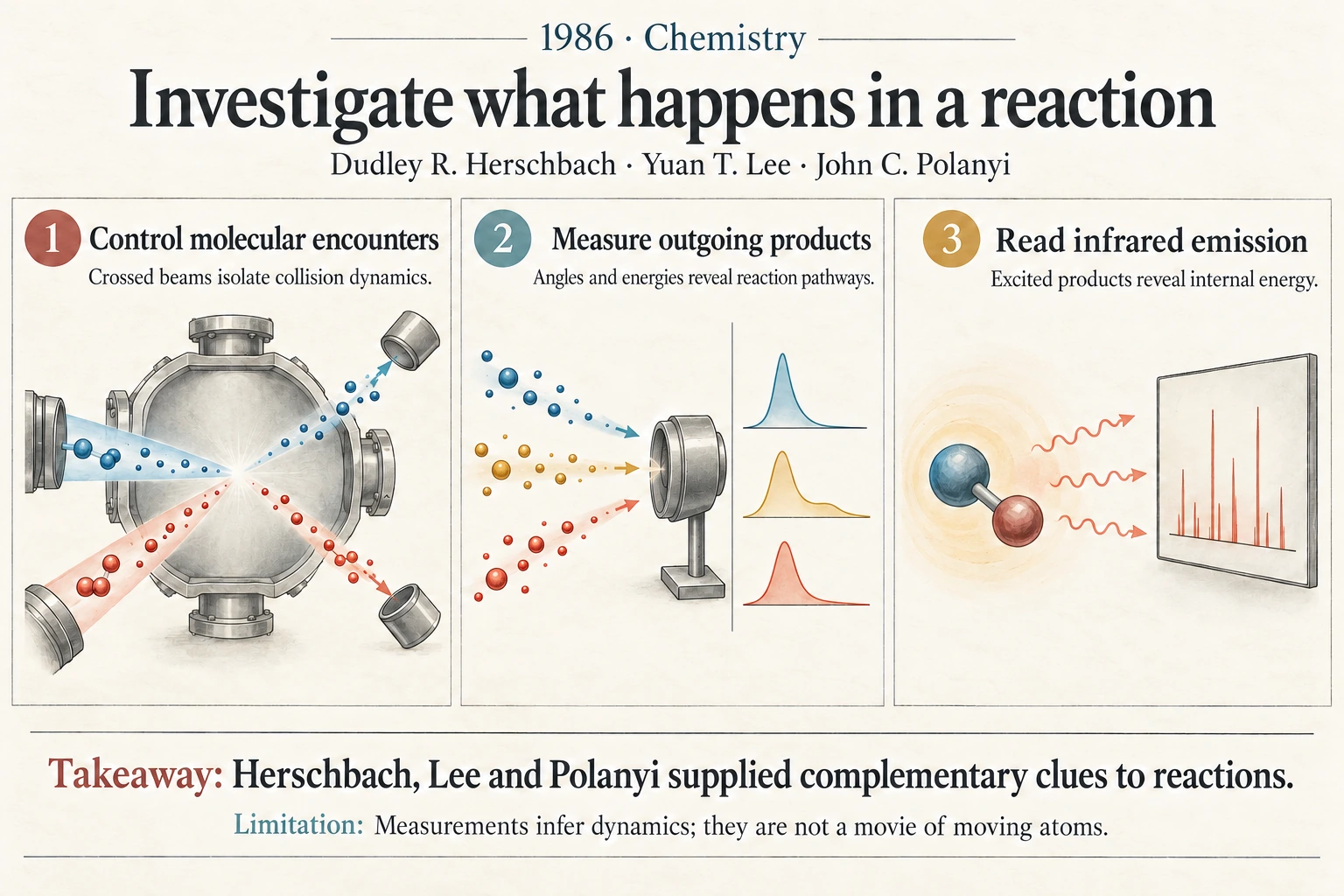
Infographic explaining Investigate what happens in a reaction
Original AI-generated infographic. A conceptual overview; the explanations and sources below provide context.
Read the poster text

Herschbach, Lee and Polanyi supplied complementary clues to reactions.

  1. Control molecular encounters

    Crossed beams isolate collision dynamics.

  2. Measure outgoing products

    Angles and energies reveal reaction pathways.

  3. Read infrared emission

    Excited products reveal internal energy.

Measurements infer dynamics; they are not a movie of moving atoms.

01 · The discovery

The idea, in everyday language

A bulk reaction combines enormous numbers of collisions, concealing their individual dynamics. Herschbach developed experiments in which directed molecular beams meet at low density. Lee’s versatile instruments extended detection to many reactions, measuring product scattering and energy under controlled conditions. Neutral products can be ionised after collision for mass analysis.

Polanyi studied infrared chemiluminescence: radiation emitted by newly formed, internally excited molecules. Spectra reveal how energy is distributed among product vibrations and rotations. Together, these approaches tested accounts of reaction pathways and the underlying potential-energy landscape. They infer dynamics from measured distributions, rather than recording a literal movie of atoms.

Why it matters

The methods moved reaction chemistry beyond measuring only overall rates and final amounts. They connected microscopic motion and energy with mechanisms, supporting comparisons with theory. Herschbach, Lee and Polanyi each received one third of the prize for their contributions to chemical elementary reaction dynamics.
02 · The people

Who brought the idea to life?

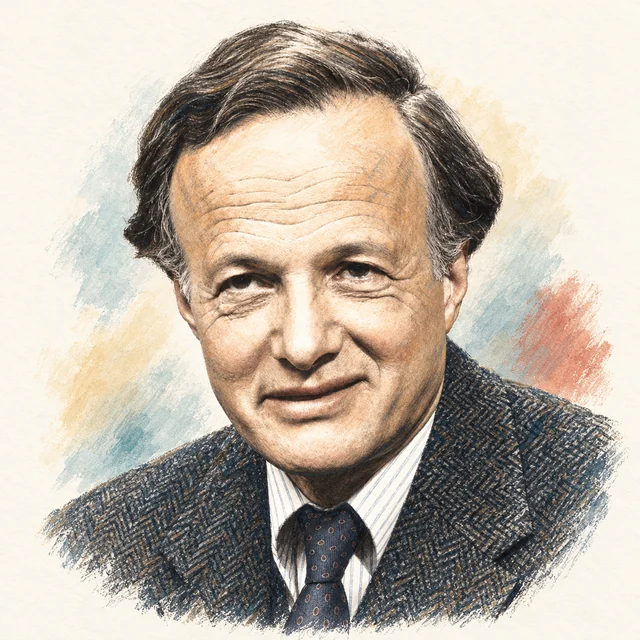
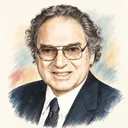
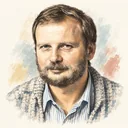
Illustrated portrait of Dudley R. Herschbach

Dudley R. Herschbach

Prize share · 1/3

Herschbach pioneered crossed-beam studies of chemical reactions. Beams with known directions and controlled conditions meet at low density, allowing researchers to measure how reaction products scatter. These distributions reveal aspects of collision dynamics that bulk mixtures obscure. He received one third of the Chemistry Prize, alongside Lee and Polanyi.

Read the biography ↗
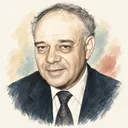
Illustrated portrait of Yuan T. Lee

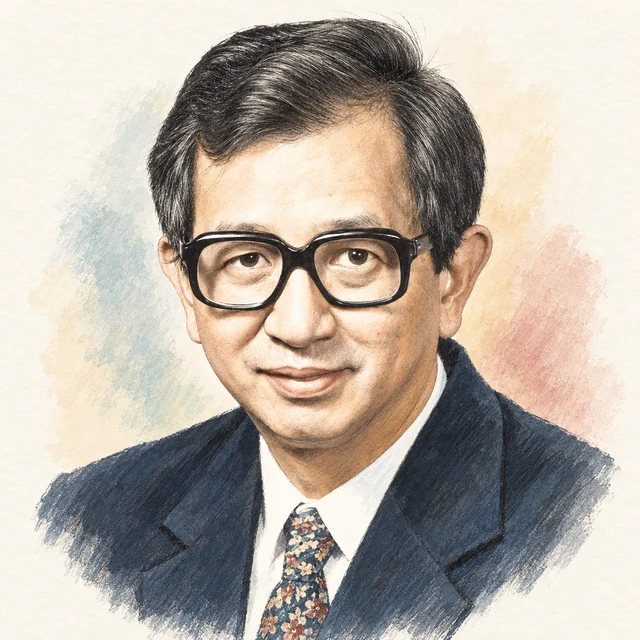
Yuan T. Lee

Prize share · 1/3

Lee developed powerful crossed-beam methods with sensitive, broadly applicable detection. Neutral products could be ionised after the collision and identified by mass analysis. Measuring their angles and energies helped test reaction mechanisms under controlled conditions. These are distributions inferred from detected particles, not films of individual atoms moving. He received one third of the Chemistry Prize.

Read the biography ↗
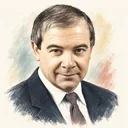
Illustrated portrait of John C. Polanyi

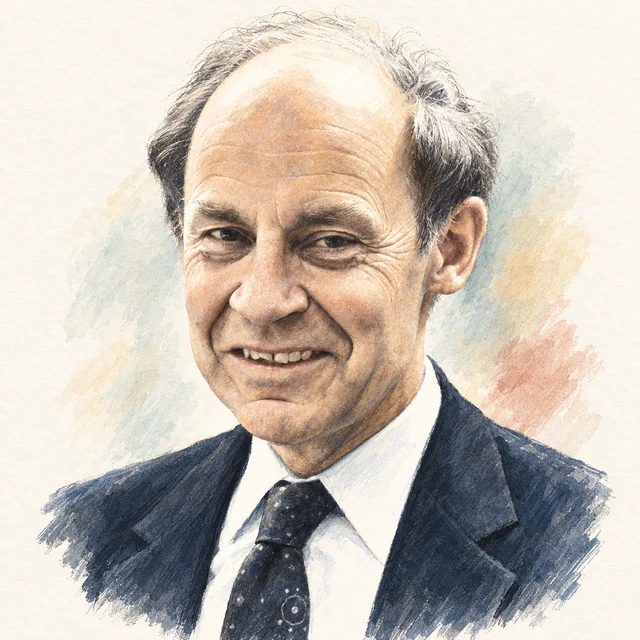
John C. Polanyi

Prize share · 1/3

Polanyi used infrared chemiluminescence to investigate chemical reactions. Excited products emit infrared radiation as their internal energy changes; spectra reveal vibrational and rotational energy distributions. This complemented crossed-beam measurements by probing how reaction energy appears inside products. The method observes emitted radiation, rather than heating reactants with an external infrared beam. He received one third of the Chemistry Prize.

Read the biography ↗

03 · Years in the making

The path here

  1. 1959

    Herschbach begins crossed-beam work at Berkeley.

  2. 1967

    Lee joins Herschbach and helps build a versatile instrument at Harvard.

  3. 1974

    Lee returns to Berkeley and develops further reaction studies.

  4. 1986

    Herschbach, Lee and Polanyi each receive one third of the prize.

04 · Read further

From the original sources

Original explanations by Curionode, based on the official records below. Biographical details and affiliations refer to the award year.

  1. Official announcement nobelprize.org

More in Chemistry

Browse this subject ↗