c.curionodeThe Nobel Archive

1990 · Physics

Probe the structure inside nucleons

Friedman, Kendall and Taylor used energetic electrons to reveal internal constituents of protons and neutrons.

deep-inelastic scatteringquarksnucleon structureSLAC
1990Physics

Visual guide

The prize, pictured

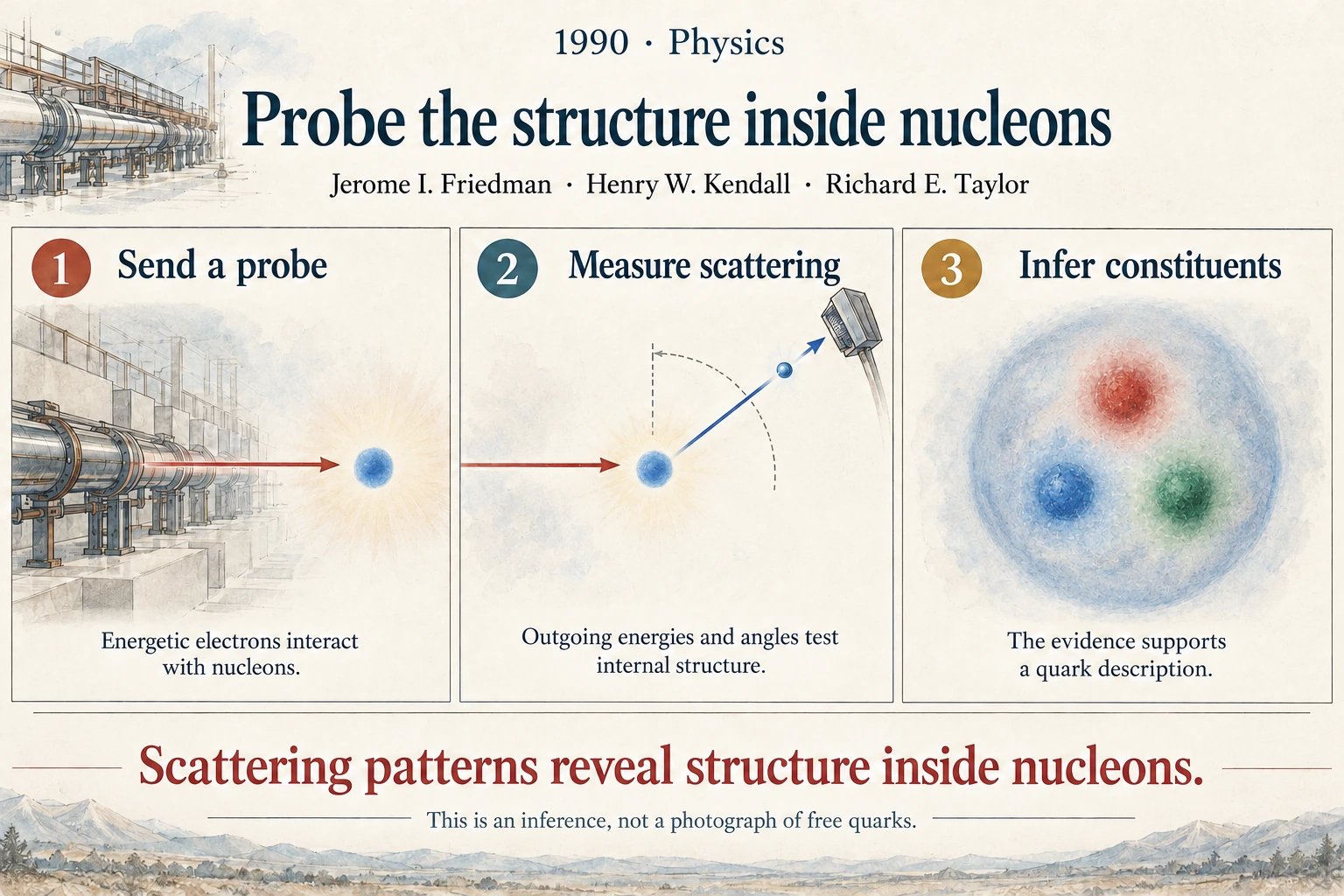
Infographic explaining Probe the structure inside nucleons
Original AI-generated infographic. A conceptual overview; the explanations and sources below provide context.
Read the poster text

Scattering patterns reveal structure inside nucleons.

  1. Send a probe

    Energetic electrons interact with nucleons.

  2. Measure scattering

    Outgoing energies and angles test internal structure.

  3. Infer constituents

    The evidence supports a quark description.

This is an inference, not a photograph of free quarks.

01 · The discovery

The idea, in everyday language

Protons and neutrons had once been treated as elementary particles, but competing models proposed an internal structure. The MIT–SLAC collaboration used high-energy electrons to test that structure. Unlike elastic scattering, deep-inelastic events transfer enough energy to excite or break up the target. The team recorded the outgoing electrons’ energies and angles from proton targets and from targets containing bound neutrons.

The electrons scattered strongly even at large angles, in a way inconsistent with a merely smooth distribution. Careful analysis, including radiative corrections, supported relatively compact constituents. These findings gave crucial experimental support to the quark description of nucleons and helped establish a new account of the strong interaction. The evidence came from patterns across many events, not a camera showing individual quarks.

Why it matters

The work helped move the quark model from a classification scheme toward an experimentally supported description of matter. It connected accelerator technology, precise measurements and theory. Friedman, Kendall and Taylor represented a much larger collaboration; neither the original quark proposal nor every later development of strong-interaction theory belongs to these experiments alone.
02 · The people

Who brought the idea to life?

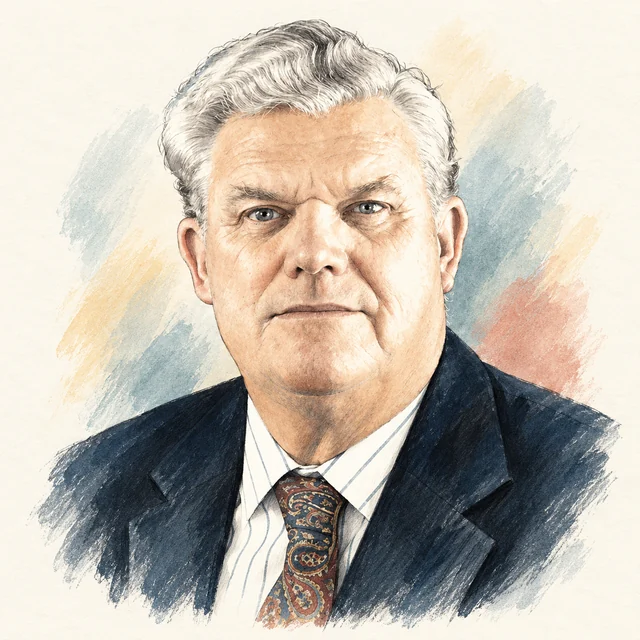
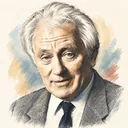
Illustrated portrait of Jerome I. Friedman

Jerome I. Friedman

Prize share · 1/3

Friedman helped lead the MIT–SLAC deep-inelastic electron-scattering experiments, including the design of measurements and analysis of radiative effects. Together with Kendall, Taylor and a larger team, he measured how energetic electrons scattered from nucleons. The unexpectedly strong scattering supported compact internal constituents, later understood within the quark description. This was experimental evidence for structure, not a photograph of free quarks. He received one third of the prize.

Read the biography ↗
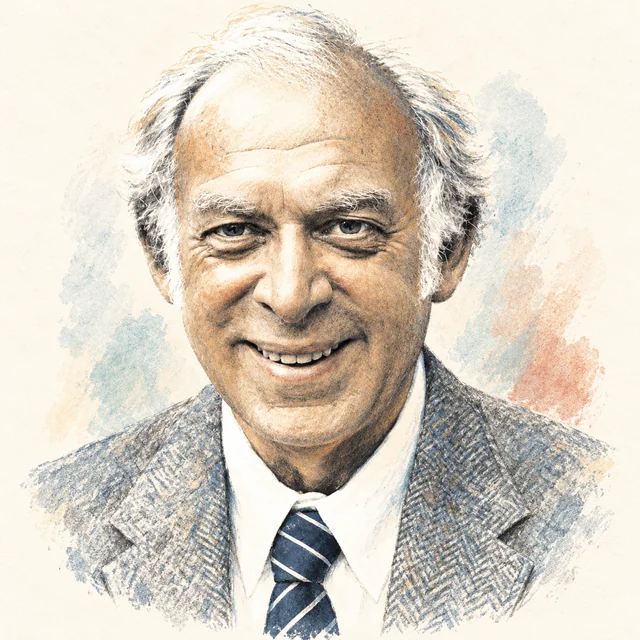
Illustrated portrait of Henry W. Kendall

Henry W. Kendall

Prize share · 1/3

Kendall helped develop the MIT–SLAC scattering programme and the apparatus and analysis needed to test nucleon structure. He and Friedman developed radiative-correction work, combining their approaches as the collaboration progressed. Measurements of scattered electron energies and angles challenged a smooth, structureless picture of nucleons and supported the quark model. The result belonged to a collaboration across two laboratories; Kendall received one third of the prize.

Read the biography ↗
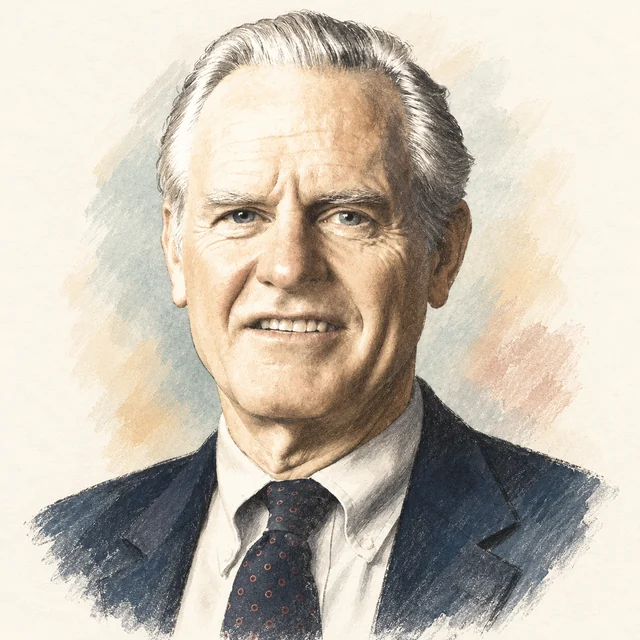
Illustrated portrait of Richard E. Taylor

Richard E. Taylor

Prize share · 1/3

Taylor led important SLAC contributions to the electron-scattering collaboration with MIT, including experimental equipment and the programme that investigated nucleons. Energetic electrons transferred energy to protons and to neutrons studied in bound targets; the scattering pattern revealed more internal structure than earlier models allowed. Taylor, Friedman and Kendall shared the prize equally. The experiments tested the quark picture rather than inventing the original quark proposal.

Read the biography ↗

03 · Years in the making

The path here

  1. 1964

    Quark proposals precede the prize-winning scattering evidence.

  2. 1967

    The MIT–SLAC programme begins measurements that expose unexpected inelastic scattering.

  3. 1990

    The three experimental physicists share the Physics Prize equally.

04 · Read further

From the original sources

Original explanations by Curionode, based on the official records below. Biographical details and affiliations refer to the award year.

  1. Official announcement nobelprize.org