c.curionodeThe Nobel Archive

1991 · Economic Sciences

Ask what it costs to coordinate

Coase made transaction costs and rights central to understanding firms and conflicting uses of resources.

The Sveriges Riksbank Prize in Economic Sciences in Memory of Alfred Nobel.

transaction costsfirmsproperty rightsinstitutions
1991Economic Sciences

Visual guide

The prize, pictured

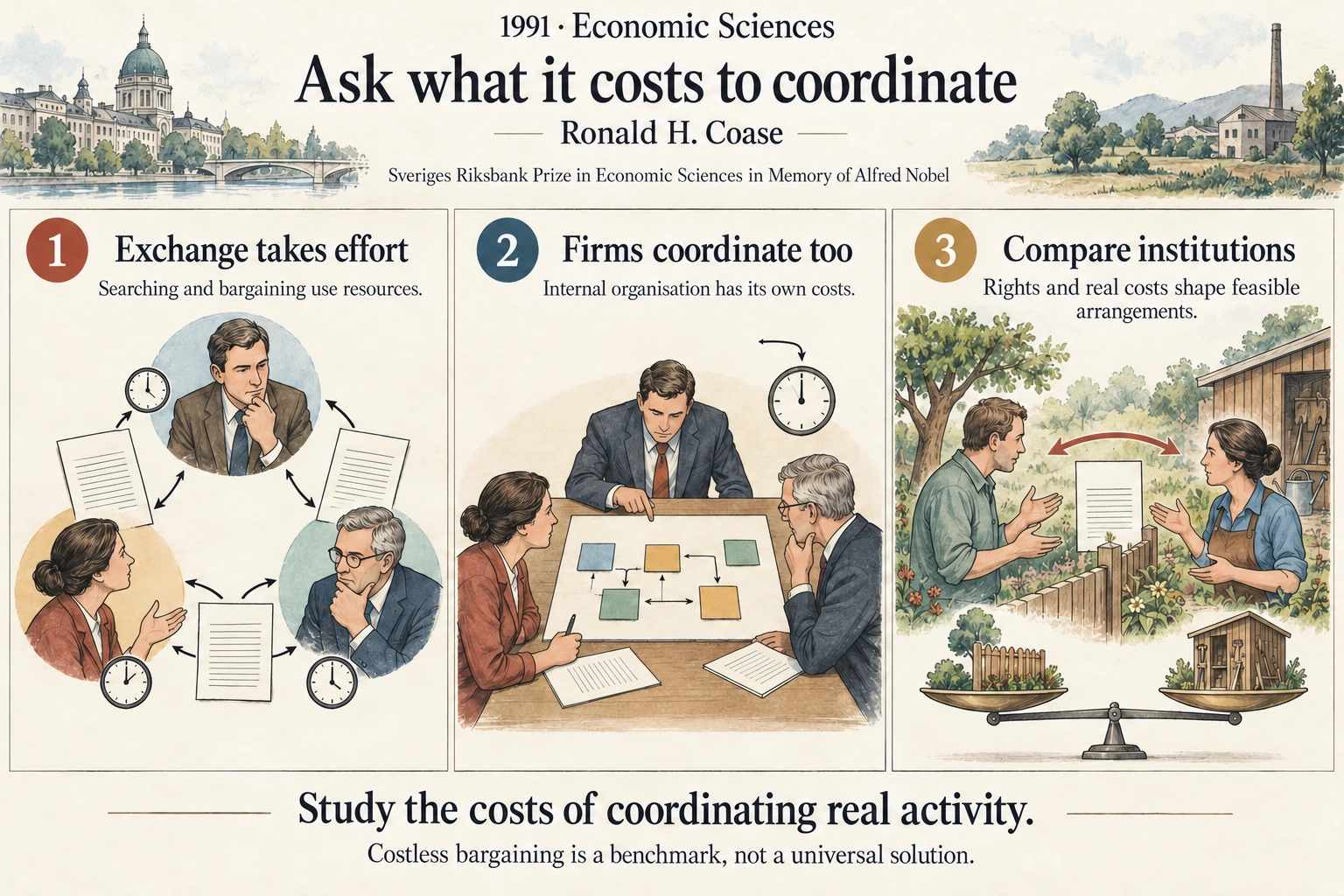
Infographic explaining Ask what it costs to coordinate
Original AI-generated infographic. A conceptual overview; the explanations and sources below provide context.
Read the poster text

Study the costs of coordinating real activity.

  1. Exchange takes effort

    Searching and bargaining use resources.

  2. Firms coordinate too

    Internal organisation has its own costs.

  3. Compare institutions

    Rights and real costs shape feasible arrangements.

Costless bargaining is a benchmark, not a universal solution.

01 · The discovery

The idea, in everyday language

If prices can coordinate exchange, why do firms organise so much activity internally? Coase asked what using a market actually costs: searching for partners, negotiating agreements and checking that they are carried out. A firm can replace some separate bargains with internal direction, but management also has costs. Its boundaries depend on comparing these ways of organising activity.

His work on social cost asked how defined rights and the costs of making agreements affect conflicts over resource use. Under demanding assumptions including negligible transaction costs, bargaining can reach an efficient allocation; this benchmark does not describe all real disputes. When negotiating, enforcement or coordination is costly, institutional arrangements matter. The useful question is how feasible markets, firms, courts or public rules compare in a particular situation.

Why it matters

The work changed how economists study the existence and boundaries of firms, property rights and harmful spillovers. It encouraged comparison of actual institutions rather than assuming costless exchange. Efficiency is only one aspect of a decision; how benefits, burdens and rights are distributed remains important.
02 · The people

Who brought the idea to life?

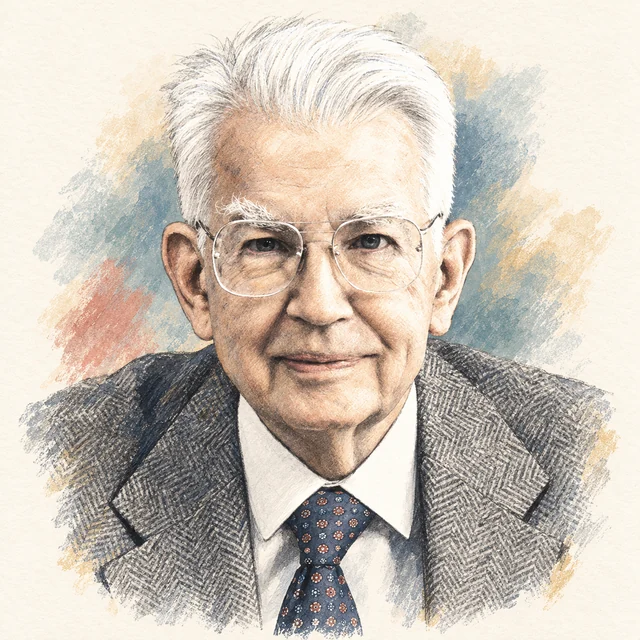
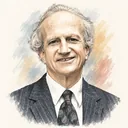
Illustrated portrait of Ronald H. Coase

Ronald H. Coase

Prize share · 1

Coase explained that organising exchange takes resources: finding partners, negotiating agreements and enforcing them. The Nature of the Firm examined why coordination within a firm can sometimes save those costs. The Problem of Social Cost made rights and the costs of bargaining central to studying conflicting uses of resources. His analysis asks how alternative institutions work under real conditions, rather than assuming that markets or government always offer the best arrangement.

Read the biography ↗

03 · Years in the making

The path here

  1. 1937

    The Nature of the Firm explains firms through the costs of using markets.

  2. 1960

    The Problem of Social Cost examines rights and conflicting resource uses.

  3. 1964

    Coase joins Chicago and becomes editor of the Journal of Law and Economics.

  4. 1991

    The Economic Sciences Prize recognises transaction costs and property rights in institutional analysis.

04 · Read further

From the original sources

Original explanations by Curionode, based on the official records below. Biographical details and affiliations refer to the award year.

  1. Official announcement nobelprize.org

More in Economic Sciences

Browse this subject ↗