c.curionodeThe Nobel Archive

1994 · Economic Sciences

Choices shaped by other choices

Game theory studies decisions whose consequences depend on what other people choose and what they know.

The Sveriges Riksbank Prize in Economic Sciences in Memory of Alfred Nobel.

Nash equilibriumcredible threatsincomplete informationstrategic interaction
1994Economic Sciences

Visual guide

The prize, pictured

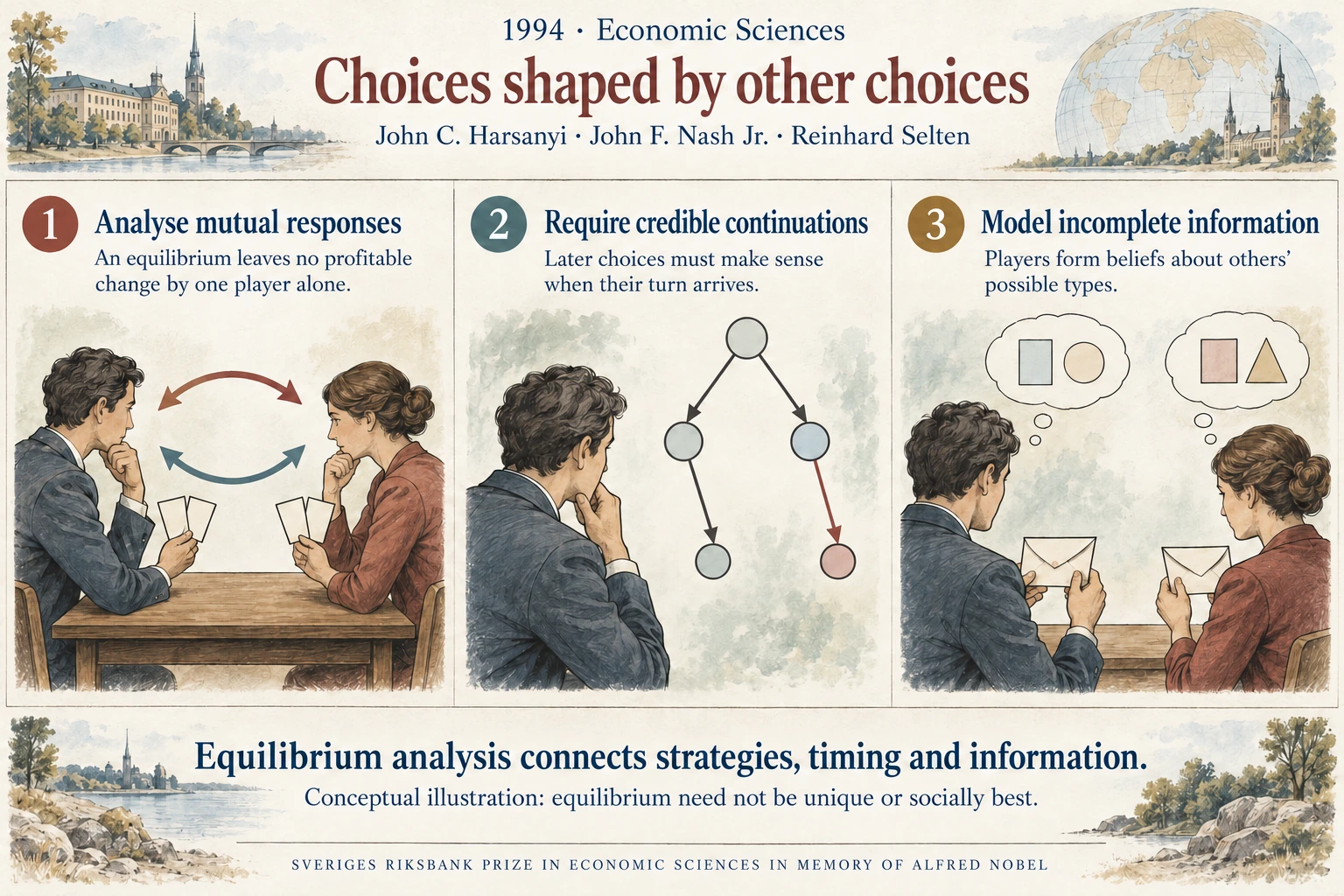
Infographic explaining Choices shaped by other choices
Original AI-generated infographic. A conceptual overview; the explanations and sources below provide context.
Read the poster text

Equilibrium analysis connects strategies, timing and information.

  1. Analyse mutual responses

    An equilibrium leaves no profitable change by one player alone.

  2. Require credible continuations

    Later choices must make sense when their turn arrives.

  3. Model incomplete information

    Players form beliefs about others’ possible types.

Conceptual illustration: equilibrium need not be unique or socially best.

01 · The discovery

The idea, in everyday language

A firm setting a price, a negotiator making an offer or a policymaker announcing a rule may need to anticipate others’ responses. Nash supplied a general equilibrium concept: with everyone else’s strategies fixed, no player can improve their own payoff by changing alone. For games with finite players and finite strategy sets, mixed strategies allow an existence theorem beyond two-person zero-sum situations.

Selten refined equilibrium for decisions that unfold over time, requiring credible behaviour in later stages rather than relying on threats a player would not actually carry out. Harsanyi developed analysis of incomplete information by representing players as possible types with beliefs about one another. The three contributions form related tools for strategic interaction, not one claim that every real-world game has a unique predictable winner.

Why it matters

The work gave economists a framework for analysing bargaining, competition, institutions and information. It also influenced other disciplines where outcomes depend on interacting choices. The three laureates received equal shares for equilibrium analysis in non-cooperative games, complementing rather than replacing empirical investigation of behaviour.

02 · The people

Who brought the idea to life?

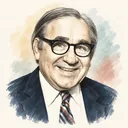
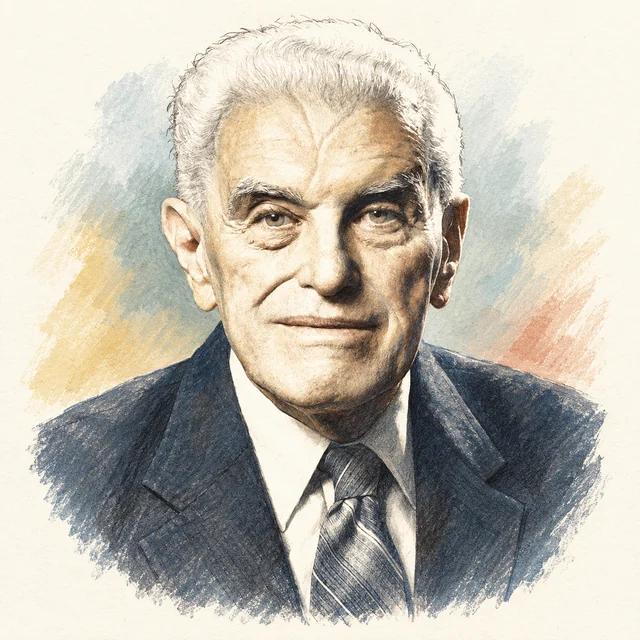
Illustrated portrait of John C. Harsanyi

John C. Harsanyi

Prize share · 1/3

Harsanyi developed a way to analyse strategic situations in which players do not know one another’s preferences or other relevant private characteristics. Representing players as possible types, with beliefs about those types, made incomplete information part of the model. His 1967–1968 work laid foundations for Bayesian game analysis. The method models uncertainty; it does not make private information publicly observable.

Read the biography ↗
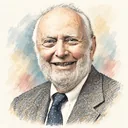
Illustrated portrait of John F. Nash Jr.

John F. Nash Jr.

Prize share · 1/3

Nash defined an equilibrium in which no player can improve their own payoff by changing strategy alone while the others keep theirs fixed. For finite games, allowing mixed strategies gives an existence result even when no pure-strategy equilibrium exists. This supplied a general framework beyond two-person zero-sum games. An equilibrium need not be unique, fair or best for the group, and the theorem is not a guarantee of actual behaviour.

Read the biography ↗
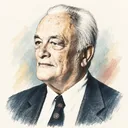
Illustrated portrait of Reinhard Selten

Reinhard Selten

Prize share · 1/3

Selten refined Nash equilibrium for situations that unfold through a sequence of decisions. Subgame perfection requires strategies to remain rational in each continuation, helping exclude threats a player would not want to carry out. He also introduced a refinement robust to small chances of mistakes, known as trembling-hand perfection. These concepts sharpened equilibrium analysis, while leaving assumptions and the possibility of multiple outcomes important.

Read the biography ↗

03 · Years in the making

The path here

  1. 1950–1951

    Nash’s dissertation and publications establish non-cooperative equilibrium analysis.

  2. 1965

    Selten introduces subgame perfection to sharpen analysis of dynamic choices.

  3. 1967–1968

    Harsanyi develops Bayesian analysis of games with incomplete information.

  4. 1994

    Harsanyi, Nash and Selten share the Economic Sciences memorial prize equally.

04 · Read further

From the original sources

Original explanations by Curionode, based on the official records below. Biographical details and affiliations refer to the award year.

  1. Official announcement nobelprize.org

More in Economic Sciences

Browse this subject ↗