c.curionodeThe Nobel Archive

1997 · Economic Sciences

Valuing a right under uncertainty

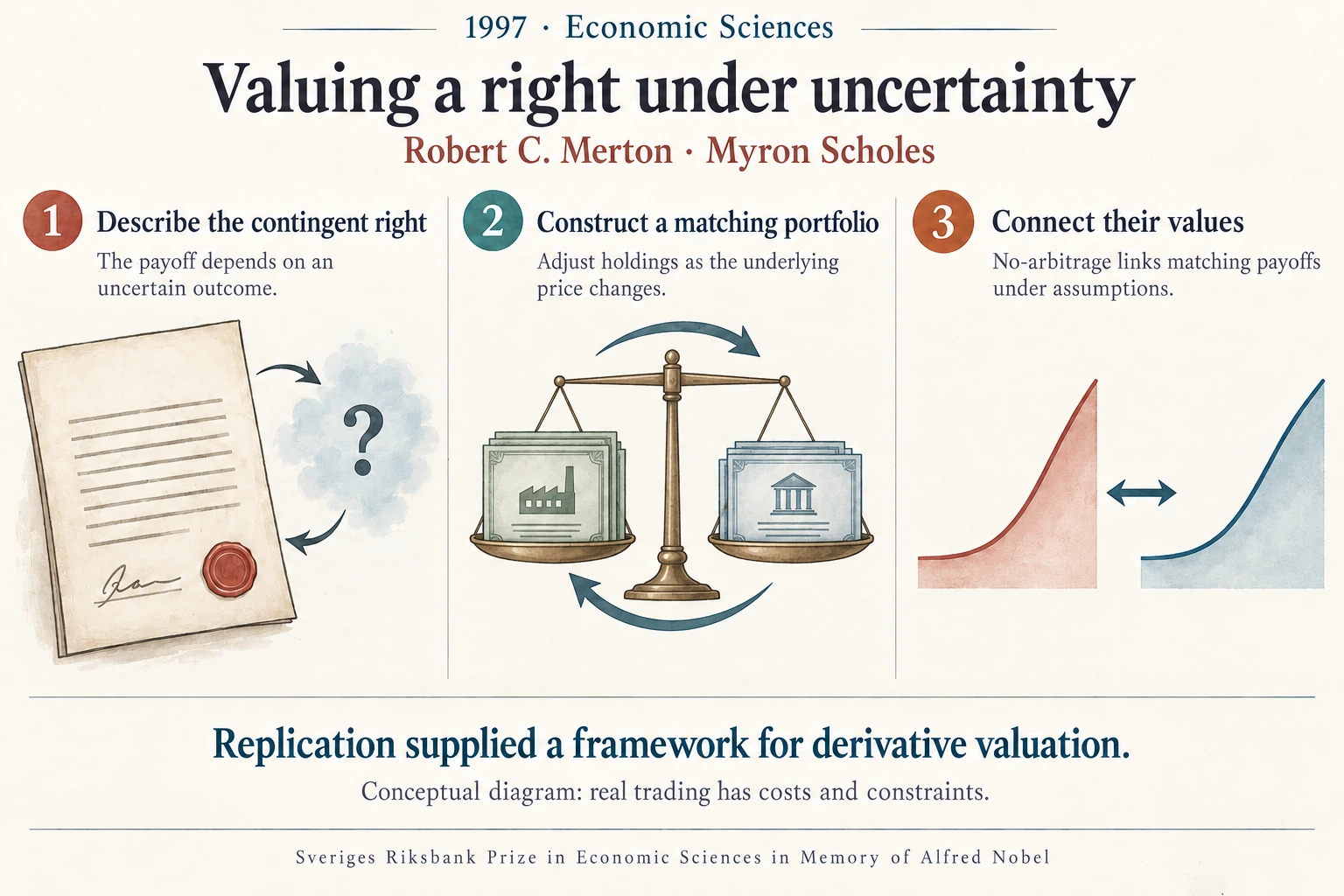
Merton and Scholes developed a method that links a derivative’s value to a replicating portfolio under explicit assumptions.

The Sveriges Riksbank Prize in Economic Sciences in Memory of Alfred Nobel.

optionsreplicationno-arbitragederivative valuation
1997Economic Sciences

Visual guide

The prize, pictured

Infographic explaining Valuing a right under uncertainty
Original AI-generated infographic. A conceptual overview; the explanations and sources below provide context.
Read the poster text

Replication supplied a framework for derivative valuation.

  1. Describe the contingent right

    The payoff depends on an uncertain outcome.

  2. Construct a matching portfolio

    Adjust holdings as the underlying price changes.

  3. Connect their values

    No-arbitrage links matching payoffs under assumptions.

Conceptual diagram: real trading has costs and constraints.

01 · The discovery

The idea, in everyday language

An option gives a right, without an obligation, to make a specified transaction. Its value depends on an uncertain underlying price. Black and Scholes’s 1973 work and Merton’s alternative derivation showed how to link that value to a portfolio of other assets adjusted over time. If the portfolio reproduces the option’s payoff, a no-arbitrage argument connects their prices.

This avoided assigning a separate subjective risk premium to the option: market prices already carry relevant information about risk. Merton generalized the method to other contingent claims. The approach became foundational for derivative valuation and risk analysis, but the ability to reproduce a payoff rests on a model of trading opportunities, costs and price behaviour.

Why it matters

The method gave researchers and practitioners a common framework for valuing options, guarantees and other contingent contracts. It also informed analysis of investment flexibility. The award recognized a theoretical contribution, developed with Fischer Black, who died in 1995; it did not certify every subsequent trading application.
02 · The people

Who brought the idea to life?

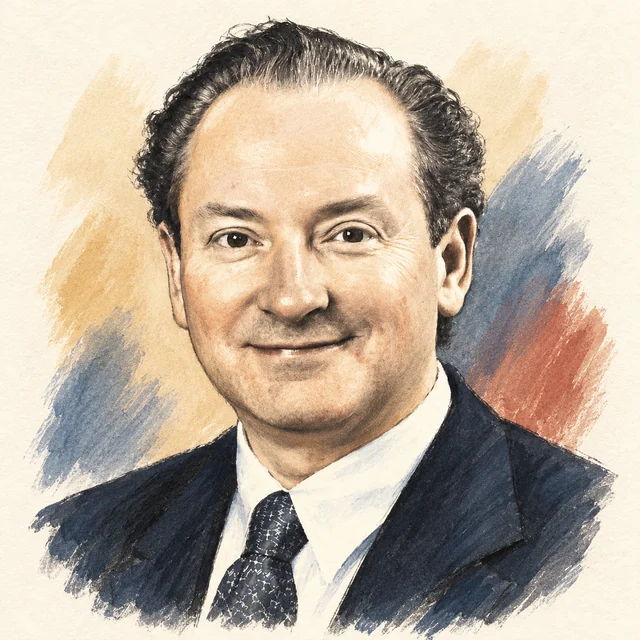
Illustrated portrait of Robert C. Merton

Robert C. Merton

Prize share · 1/2

Merton developed a continuous-time approach to option valuation and an alternative derivation of the formula associated with Black and Scholes. He generalized the method to a wider range of contingent claims. The key was to relate a derivative’s value to a dynamically adjusted portfolio and a no-arbitrage condition, rather than independently guessing a risk premium for the option. The result depends on the model’s market assumptions.

Read the biography ↗
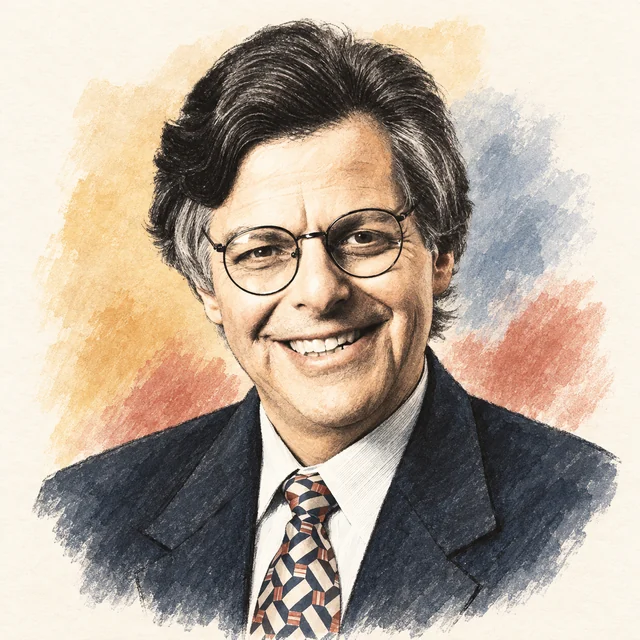
Illustrated portrait of Myron Scholes

Myron Scholes

Prize share · 1/2

Scholes and Fischer Black developed an option-pricing formula published in 1973. Their argument connected the option to a portfolio adjusted as the underlying price changed, with no-arbitrage determining its theoretical value under specified assumptions. Merton provided another derivation and important generalizations. Black died in 1995, so the 1997 prize was awarded to Scholes and Merton, while the historical account credits Black’s contribution.

Read the biography ↗

03 · Years in the making

The path here

  1. 1973

    Black and Scholes published their option-pricing formula; Merton supplied another derivation and generalizations.

  2. 1995

    Fischer Black died before the prize was awarded.

  3. 1997

    The memorial prize recognized a new method to value derivatives.

04 · Read further

From the original sources

Original explanations by Curionode, based on the official records below. Biographical details and affiliations refer to the award year.

  1. Official announcement nobelprize.org

More in Economic Sciences

Browse this subject ↗