c.curionodeThe Nobel Archive

2001 · Peace

Making cooperation an institution

The United Nations and Kofi Annan shared recognition for efforts toward a more organised and peaceful world.

United Nationsdiplomacyhuman rightsinternational cooperation
2001Peace

Visual guide

The prize, pictured

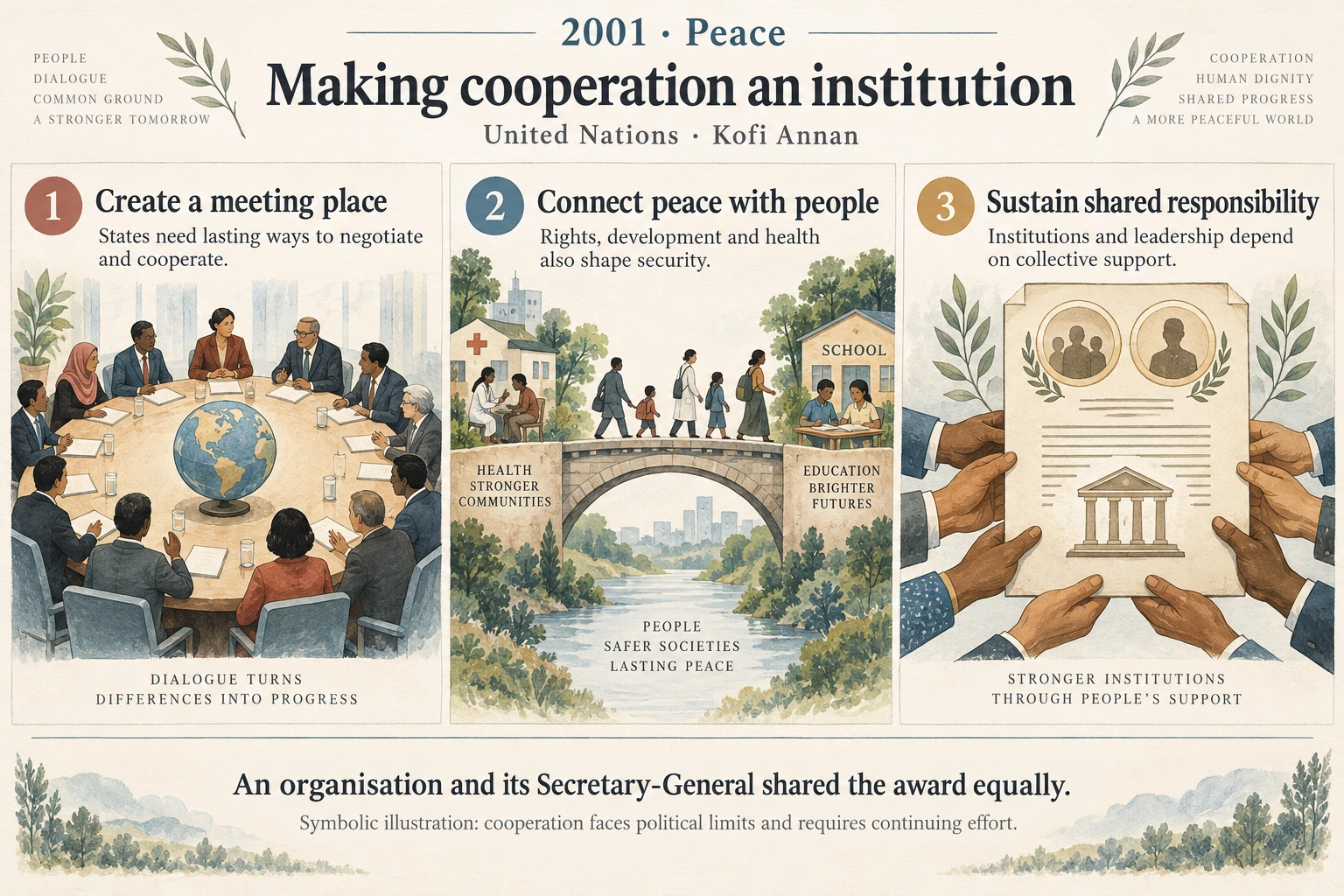
Infographic explaining Making cooperation an institution
Original AI-generated infographic. A conceptual overview; the explanations and sources below provide context.
Read the poster text

An organisation and its Secretary-General shared the award equally.

  1. Create a meeting place

    States need lasting ways to negotiate and cooperate.

  2. Connect peace with people

    Rights, development and health also shape security.

  3. Sustain shared responsibility

    Institutions and leadership depend on collective support.

Symbolic illustration: cooperation faces political limits and requires continuing effort.

01 · The contribution

The idea, in everyday language

Conflicts, displacement, poverty and disease cross borders, while political authority is largely organised into states. The United Nations provides a continuing framework in which states can negotiate, coordinate assistance and address shared problems. Founded through its 1945 Charter, it combines a meeting place with institutions and operations whose powers depend on agreed rules and member-state support.

Annan became Secretary-General in 1997 after decades in international civil service. The prize recognised his efforts to strengthen the organisation and advance human rights, development and the response to HIV/AIDS. Awarding half to the institution and half to its leader distinguished collective capacity from personal leadership, while underlining the need for both.

Why it matters

The award highlighted the importance of multilateral institutions and leadership in sustaining cooperation. It drew attention to human security as well as relations between governments, connecting peace with rights, development and public health. It also expressed an expectation that the UN should meet the principles it represents and continue improving its ability to act.
02 · The recipients

Who brought the idea to life?

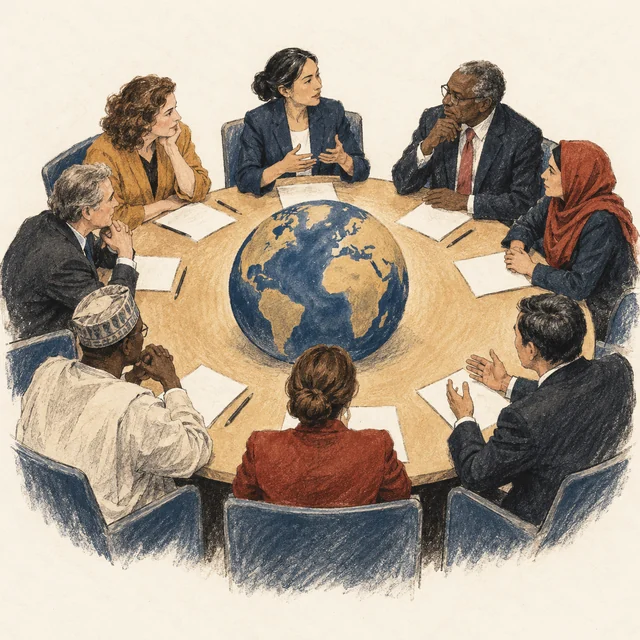
Symbolic illustration representing United Nations

United Nations

Prize share · 1/2

The 2001 Peace Prize jointly recognised the United Nations and Secretary-General Kofi Annan for work toward a more organised and peaceful world. The organisation supplies forums, agencies and operations through which collective action becomes possible. The award also placed expectations on the UN: its principles require sustained effort, while its ability to act depends on mandates, resources and cooperation from member states. Recognition did not erase failures or make every operation successful.

Read the biography ↗
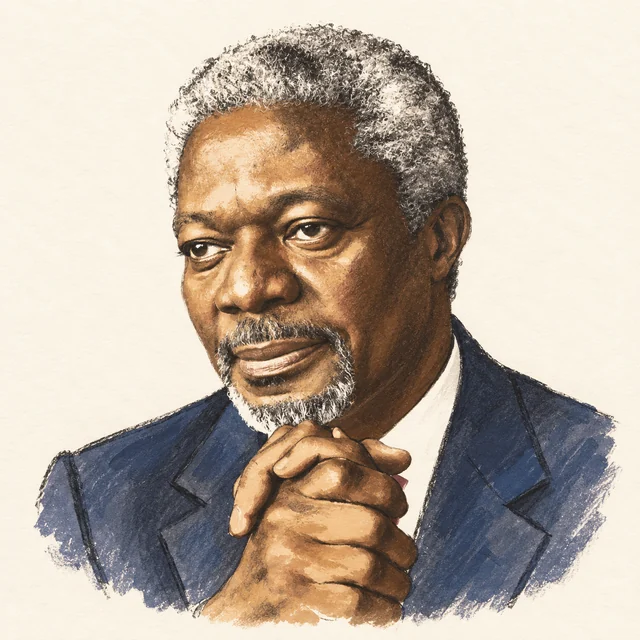
Illustrated portrait of Kofi Annan

Kofi Annan

Prize share · 1/2

Annan’s half of the joint award recognised his work to strengthen and renew the United Nations. The committee highlighted efforts involving human rights, development and the response to HIV/AIDS, as well as his role in international cooperation. His contribution was personal leadership within a large institution, not sole responsibility for all its achievements. The shared prize also acknowledged the organisation and the many people whose work made its activities possible.

Read the biography ↗

03 · Years in the making

The path here

  1. 1945

    The UN Charter was signed in San Francisco and entered into force later that year.

  2. 1997

    Kofi Annan began serving as UN Secretary-General.

  3. 2001

    The United Nations and Annan shared the Peace Prize equally.

04 · Read further

From the original sources

Original explanations by Curionode, based on the official records below. Biographical details and affiliations refer to the award year.

  1. Official announcement nobelprize.org
  2. United Nations Charter un.org