c.curionodeThe Nobel Archive

2003 · Physics

When quantum order changes how matter flows

Theories explained magnetic vortices in superconductors and the paired organisation of superfluid helium-3.

superconductivitysuperfluidityvorticesquantum order
2003Physics

Visual guide

The prize, pictured

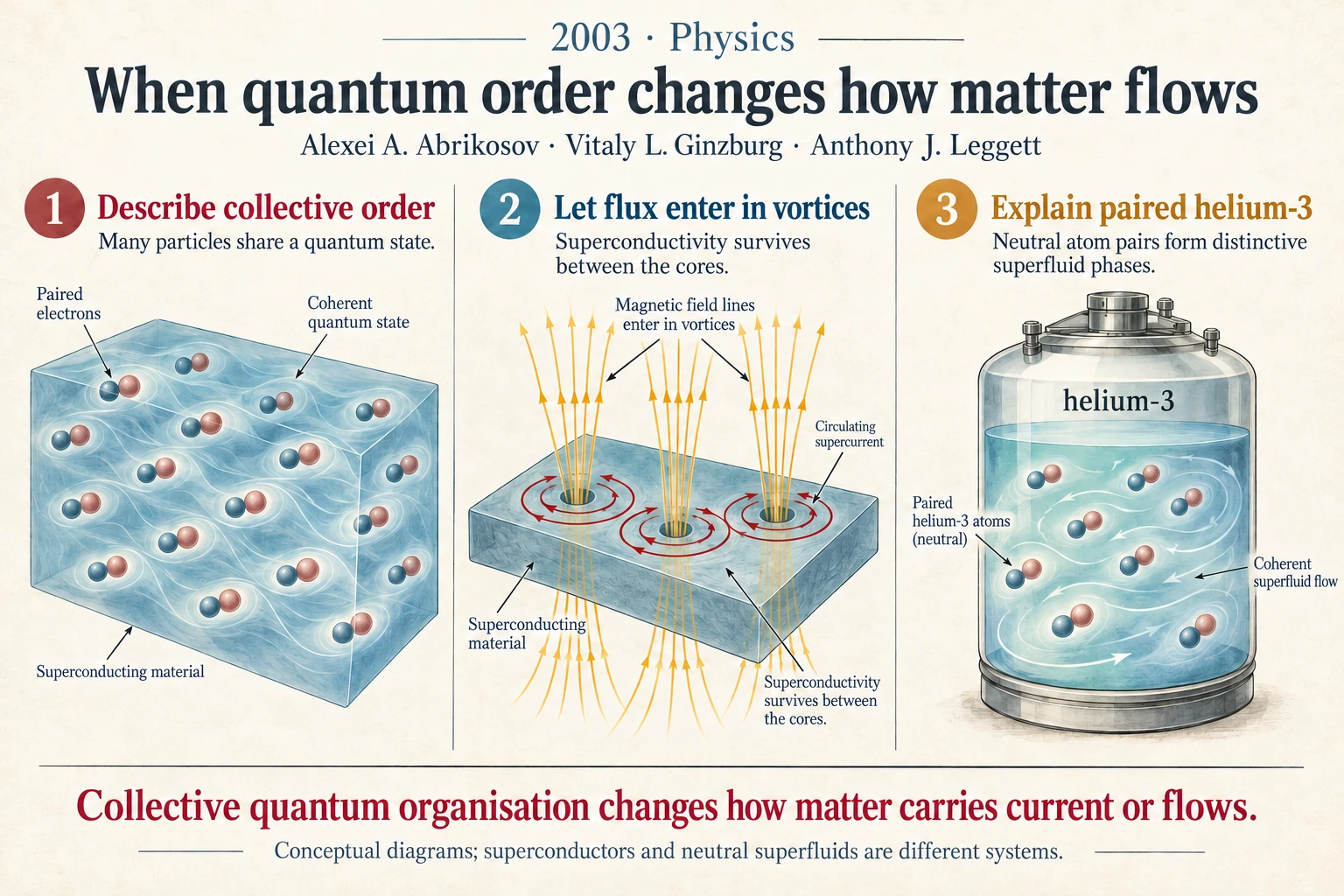
Infographic explaining When quantum order changes how matter flows
Original AI-generated infographic. A conceptual overview; the explanations and sources below provide context.
Read the poster text

Collective quantum organisation changes how matter carries current or flows.

  1. Describe collective order

    Many particles share a quantum state.

  2. Let flux enter in vortices

    Superconductivity survives between the cores.

  3. Explain paired helium-3

    Neutral atom pairs form distinctive superfluid phases.

Conceptual diagrams; superconductors and neutral superfluids are different systems.

01 · The discovery

The idea, in everyday language

At low temperatures, many particles can participate in a collective quantum state whose behaviour differs radically from that of ordinary matter. A superconductor can carry electrical current without resistance under suitable conditions. A superfluid can flow without the usual viscous resistance. The two phenomena are related, but electrical charge and the internal organisation of the particles make important differences.

Ginzburg and Landau described superconductivity using an order parameter that can vary through a material. Abrikosov used this framework to explain how magnetic flux enters a type-II superconductor through vortices, leaving superconducting regions between them. Leggett addressed a different system: paired helium-3 atoms, whose spin and orbital organisation produces distinct superfluid phases. His theory helped make sense of the experimental signals from this unusual liquid.

Why it matters

The superconductivity theories provide tools for understanding materials used in powerful magnets, including many MRI and accelerator magnets. Superfluid helium-3 offers a laboratory for studying quantum order, symmetry and excitations. The common achievement was to connect collective mathematical descriptions with measurable behaviour in very different systems.
02 · The people

Who brought the idea to life?

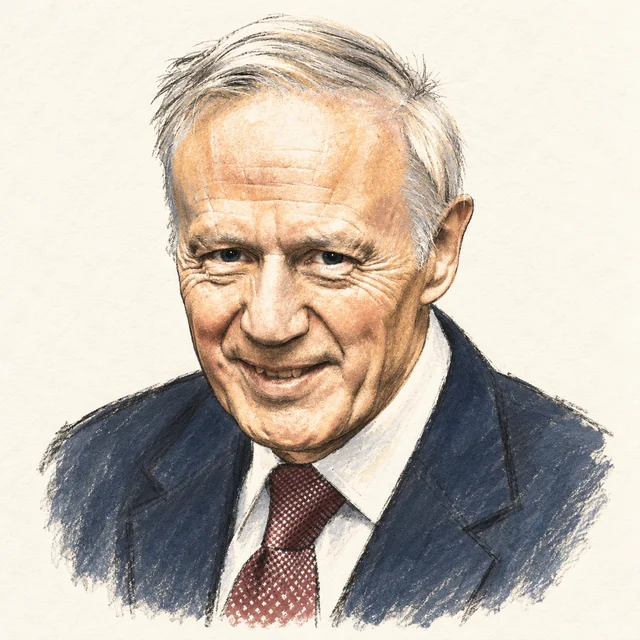
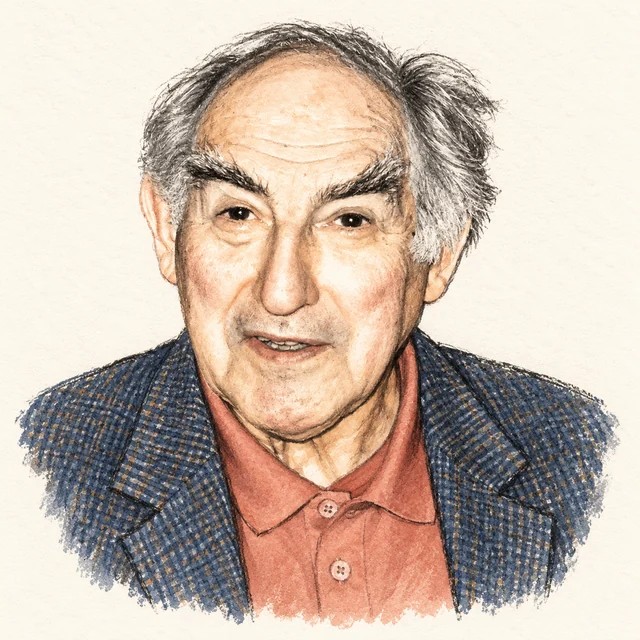
Illustrated portrait of Alexei A. Abrikosov

Alexei A. Abrikosov

Prize share · 1/3

Building on the Ginzburg–Landau description, Abrikosov showed that a superconductor can admit magnetic flux through an array of vortices while retaining superconductivity between their cores. His 1957 paper explained the mixed state of type-II materials. These materials are central to powerful superconducting magnets. The result did not mean that superconductivity survives arbitrarily large fields: above an upper critical field it is lost.

Read the biography ↗
Illustrated portrait of Vitaly L. Ginzburg

Vitaly L. Ginzburg

Prize share · 1/3

In 1950 Ginzburg and Lev Landau formulated a theory using an order parameter: a mathematical description of the local superconducting state. Coupling this quantity to the magnetic field made it possible to describe boundaries, characteristic length scales and critical fields. The framework also provided the starting point for Abrikosov’s vortex theory. It is a collective description, distinct from the later microscopic explanation of electron pairing.

Read the biography ↗
Illustrated portrait of Anthony J. Leggett

Anthony J. Leggett

Prize share · 1/3

Leggett developed a theoretical account of the newly discovered superfluid phases of helium-3. At extremely low temperatures, atoms of this isotope form pairs whose internal quantum organisation is more complicated than in familiar electron-pair superconductors. His work connected this organisation with magnetic-resonance measurements and other properties. Helium-3 is a neutral superfluid, not an electrical superconductor; the prize joined related but distinct examples of collective quantum behaviour.

Read the biography ↗

03 · Years in the making

The path here

  1. 1950

    Ginzburg and Landau formulated their collective theory of superconductivity.

  2. 1957

    Abrikosov published the theory of the vortex state in type-II superconductors.

  3. 1970s

    Leggett explained key properties of the newly discovered superfluid phases of helium-3.

04 · Read further

From the original sources

Original explanations by Curionode, based on the official records below. Biographical details and affiliations refer to the award year.

  1. Official announcement nobelprize.org
  2. Popular science background nobelprize.org