01 · The discovery
The idea, in everyday language
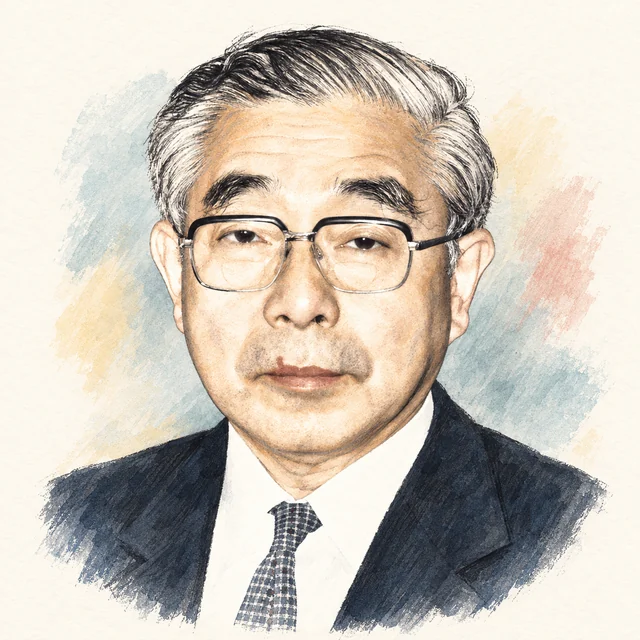
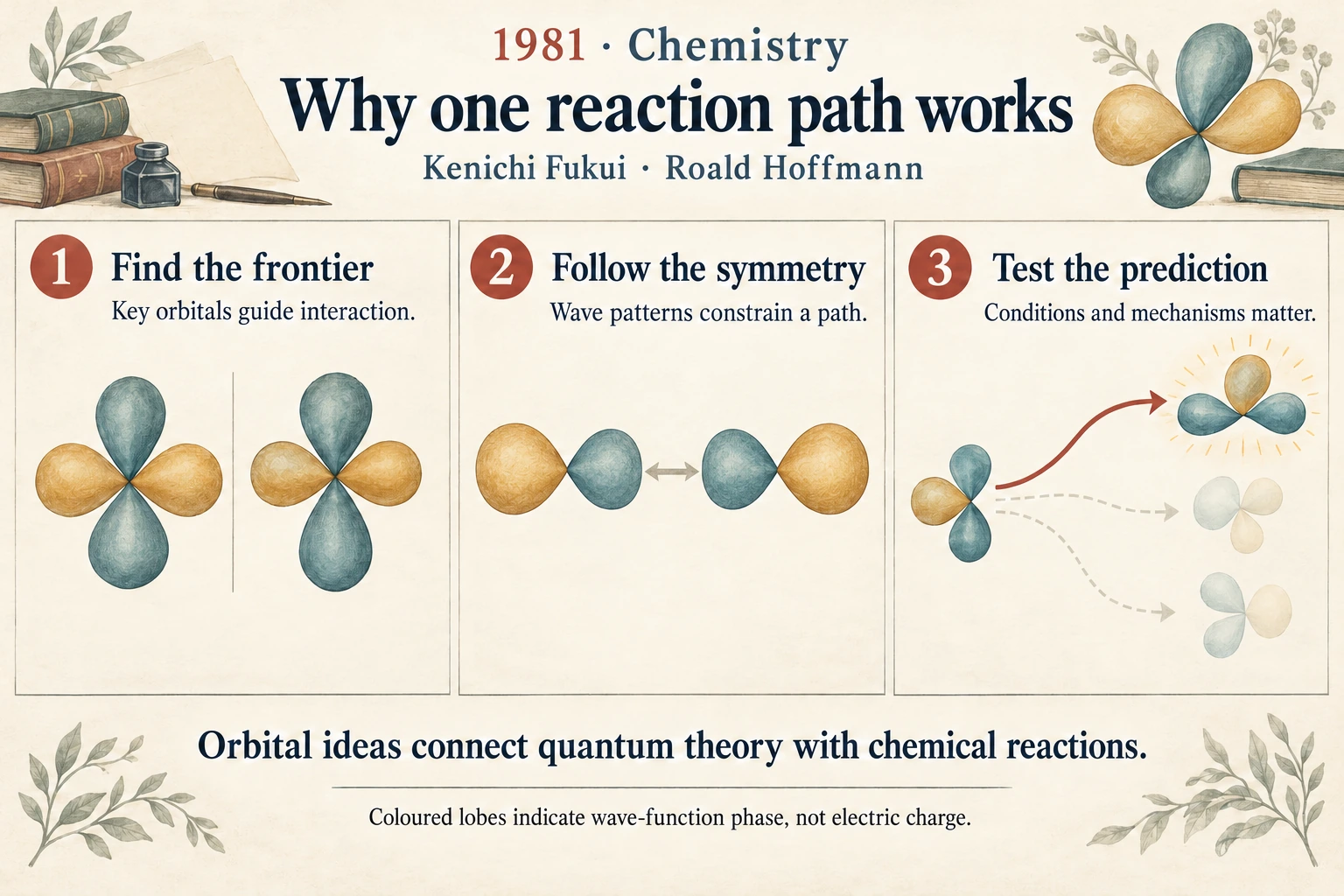
Knowing which atoms are present does not by itself explain why a reaction follows one path rather than another. Electrons occupy molecular orbitals: quantum states with energies and spatial wave-function patterns. Fukui focused attention on frontier orbitals, especially the highest occupied and lowest unoccupied states. Their energies and patterns help describe how electrons can be redistributed when reactants approach.
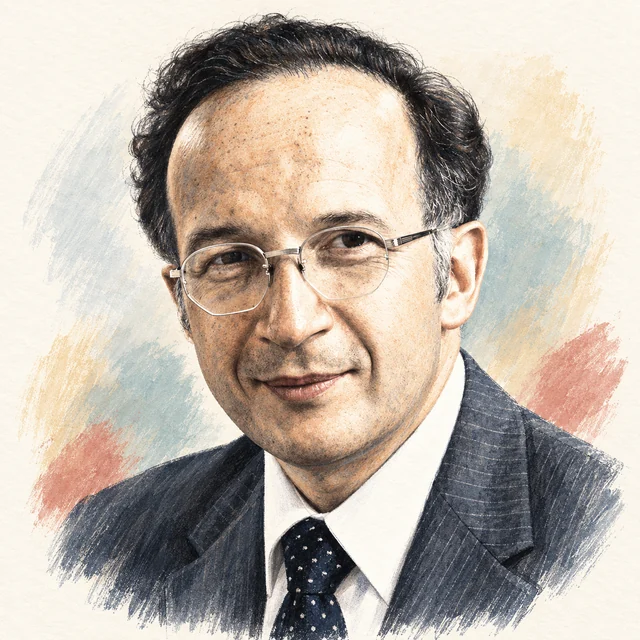
Hoffmann combined approximate calculations with clear bonding and symmetry arguments. In collaboration with Robert Woodward he examined concerted reactions, in which bonds change through a coordinated process. Following orbital symmetry along a proposed path helped distinguish pathways that could proceed more readily under particular conditions. The approaches were independently developed and complementary; both connected quantum mechanics with chemical reasoning.
Why it matters
The theories gave chemists a compact way to reason about reactivity, molecular geometry and the making and breaking of bonds. They stimulated predictions that experiments could test and helped link theoretical calculations with organic and inorganic chemistry. Fukui and Hoffmann received equal shares. Woodward’s contribution to their collaboration remains part of the story; his 1965 Nobel Prize had recognised organic synthesis.