c.curionodeThe Nobel Archive

1984 · Physics

Build the beams that revealed W and Z

A converted collider and stochastic cooling enabled two collaborations to observe carriers of the weak interaction.

W and Z bosonsstochastic coolingantiprotonselectroweak interaction
1984Physics

Visual guide

The prize, pictured

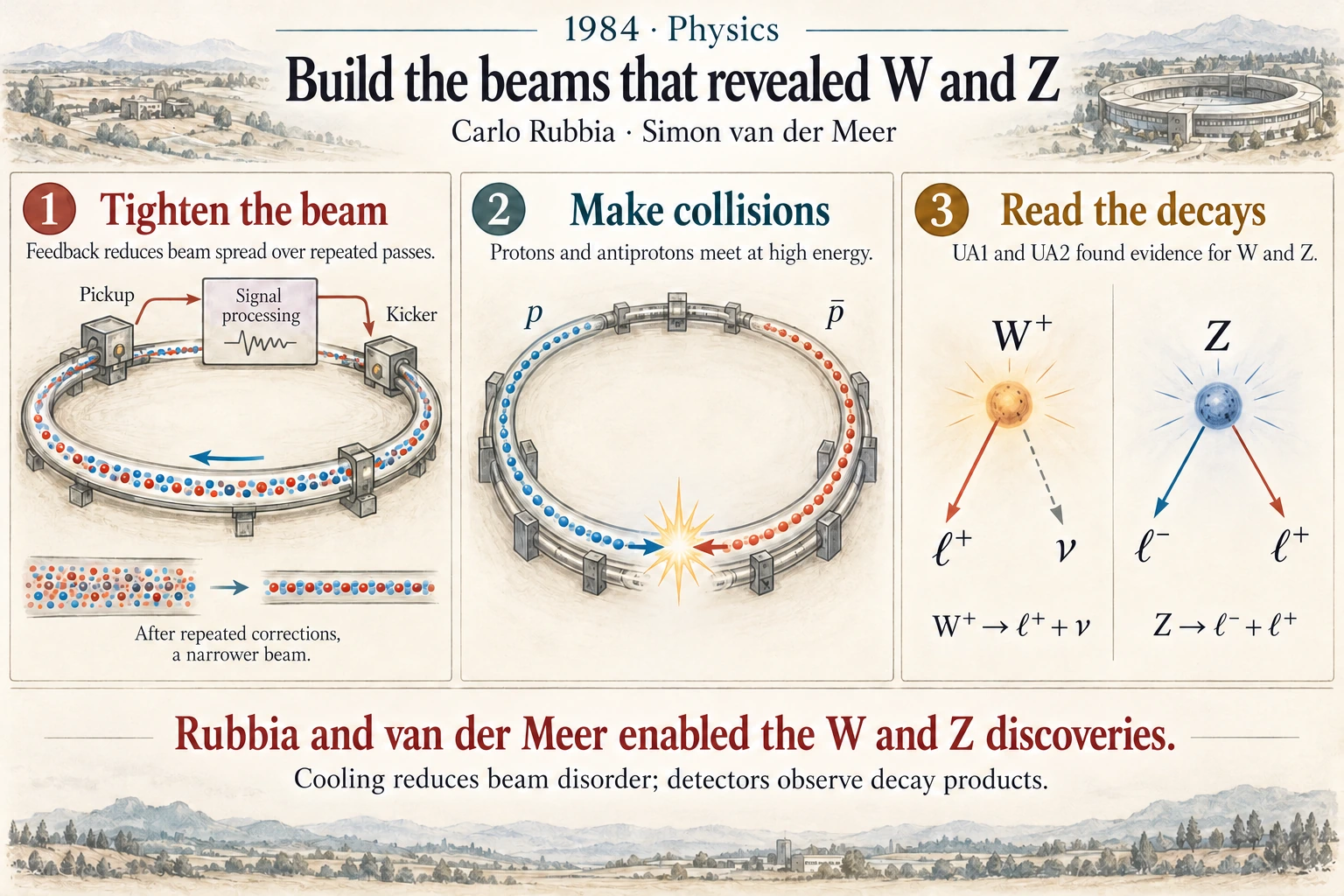
Infographic explaining Build the beams that revealed W and Z
Original AI-generated infographic. A conceptual overview; the explanations and sources below provide context.
Read the poster text

Rubbia and van der Meer enabled the W and Z discoveries.

  1. Tighten the beam

    Feedback reduces beam spread over repeated passes.

  2. Make collisions

    Protons and antiprotons meet at high energy.

  3. Read the decays

    UA1 and UA2 found evidence for W and Z.

Cooling reduces beam disorder; detectors observe decay products.

01 · The discovery

The idea, in everyday language

Electroweak theory predicted heavy W and Z bosons. Producing them required enough collision energy and enough useful collisions. Rubbia, Cline and McIntyre proposed converting CERN’s SPS into a proton–antiproton collider. Antiprotons were difficult to accumulate into sufficiently dense beams.

Van der Meer’s stochastic cooling measured deviations in samples of circulating particles and applied corrective fields farther along the ring. Repeated passes reduced energy spread and angular divergence. The collider began operating in 1981; UA1, led by Rubbia, and UA2 observed W and Z bosons in 1983 through their decay products. The 1984 prize recognised both experimental leadership and an enabling accelerator technique.

Why it matters

The discoveries tested a central prediction of electroweak theory, linking the weak and electromagnetic interactions. They also demonstrated how accelerator engineering and large detector collaborations can make new observations possible. Detailed studies continued at later colliders.
02 · The people

Who brought the idea to life?

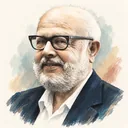
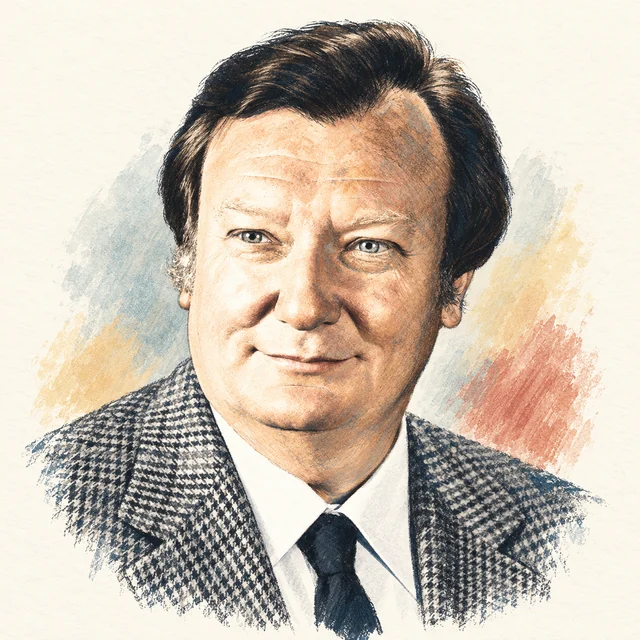
Illustrated portrait of Carlo Rubbia

Carlo Rubbia

Prize share · 1/2

Rubbia supplied experimental leadership and helped develop the collider proposal that made direct W and Z production possible. UA1 and UA2 both established the discoveries through decay signatures. Simon van der Meer’s beam-cooling work was a different essential contribution. Rubbia received one half of the Physics Prize; the achievement depended on many physicists, engineers and technicians.

Read the biography ↗
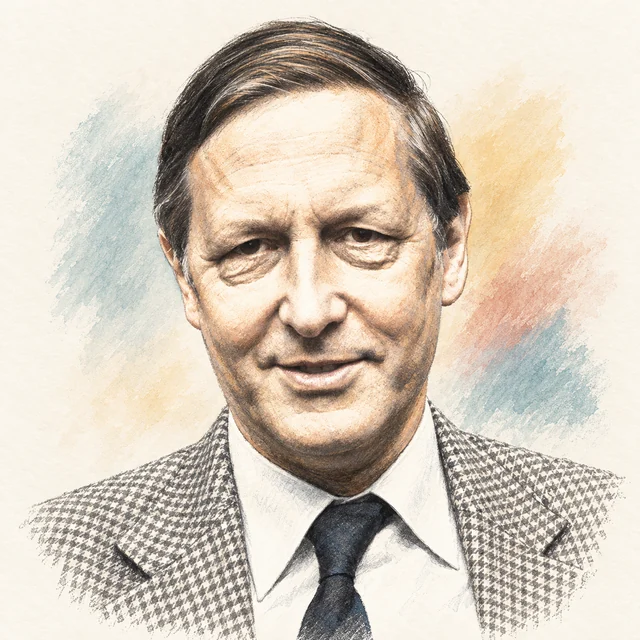
Illustrated portrait of Simon van der Meer

Simon van der Meer

Prize share · 1/2

Van der Meer developed stochastic cooling, using measurements and corrective fields over repeated beam circuits to reduce energy spread and angular divergence. Dense antiproton beams enabled the collider programme that discovered W and Z bosons. Cooling describes reduced beam disorder, rather than refrigeration or simply reducing every particle’s mean energy. He received one half of the Physics Prize.

Read the biography ↗

03 · Years in the making

The path here

  1. 1968

    Van der Meer conceives stochastic cooling.

  2. 1976

    Rubbia, Cline and McIntyre propose the proton–antiproton collider conversion.

  3. 1983

    UA1 and UA2 observe W and Z bosons at CERN.

  4. 1984

    Rubbia and van der Meer share the Physics Prize equally.

04 · Read further

From the original sources

Original explanations by Curionode, based on the official records below. Biographical details and affiliations refer to the award year.

  1. Official announcement nobelprize.org
  2. CERN: stochastic cooling home.cern
  3. CERN: W boson discovery history home.cern
  4. CERN: Z boson history home.cern