c.curionodeThe Nobel Archive

2006 · Chemistry

How a cell reads its DNA

Kornberg revealed the molecular machinery that builds an RNA message from a DNA template.

transcriptionRNA polymerase IIgene expressionmolecular structure
2006Chemistry

Visual guide

The prize, pictured

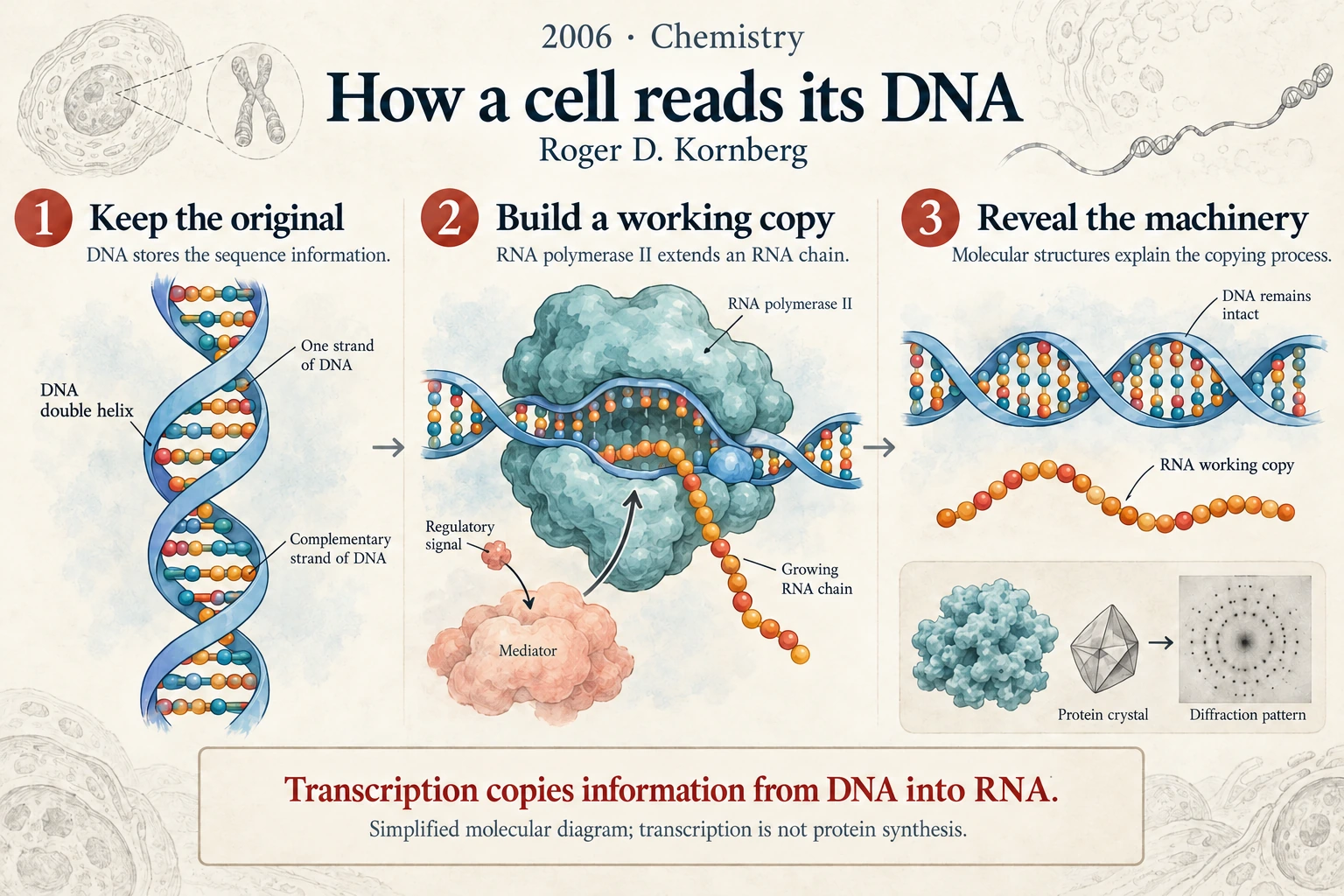
Infographic explaining How a cell reads its DNA
Original AI-generated infographic. A conceptual overview; the explanations and sources below provide context.
Read the poster text

Transcription copies information from DNA into RNA.

  1. Keep the original

    DNA stores the sequence information.

  2. Build a working copy

    RNA polymerase II extends an RNA chain.

  3. Reveal the machinery

    Molecular structures explain the copying process.

Simplified molecular diagram; transcription is not protein synthesis.

01 · The discovery

The idea, in everyday language

A cell does not normally use a chromosome directly as the template for making protein. It first transcribes selected information into RNA. In eukaryotic cells, RNA polymerase II makes the precursors of messenger RNAs. Kornberg studied this machinery in yeast, whose basic transcription process shares key features with our own.

His group used X-ray crystallography to determine the polymerase’s structure and capture a structural state containing DNA and a growing RNA chain. The enzyme holds the template, selects complementary RNA building blocks and extends the RNA. Studies of Mediator also helped explain how regulatory proteins communicate with this machinery to influence which genes are transcribed.

Why it matters

The work connected genetic information with three-dimensional molecular structures. Researchers could investigate how the copying machinery positions its components, maintains accuracy and responds to regulation. This provided a foundation for understanding gene expression in organisms with nuclei, rather than merely drawing a box labelled “DNA becomes RNA”.
02 · The people

Who brought the idea to life?

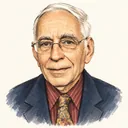
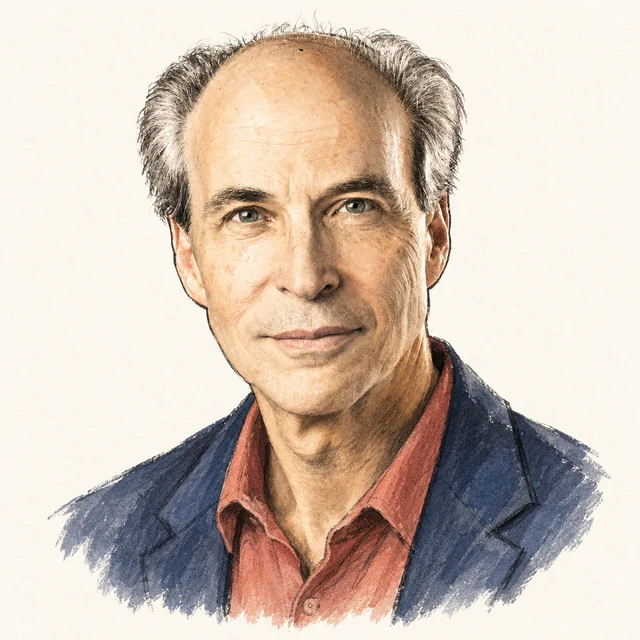
Illustrated portrait of Roger D. Kornberg

Roger D. Kornberg

Prize share · 1/1

Kornberg’s studies revealed how transcription works in eukaryotes, organisms whose cells have nuclei. His group determined structures of yeast RNA polymerase II, including a complex with DNA and a growing RNA chain. He also helped identify Mediator, which connects regulatory signals to the transcription machinery. Together these results made the copying process understandable in molecular detail.

Read the biography ↗

03 · Years in the making

The path here

  1. 1990s

    Kornberg’s group developed biochemical and structural studies of eukaryotic transcription, including Mediator.

  2. 2001

    Structures revealed RNA polymerase II and a transcription complex with DNA and RNA.

  3. 2006

    The prize recognised studies of the molecular basis of eukaryotic transcription.

04 · Read further

From the original sources

Original explanations by Curionode, based on the official records below. Biographical details and affiliations refer to the award year.

  1. Official announcement nobelprize.org
  2. Popular science background nobelprize.org

More in Chemistry

Browse this subject ↗