01 · The discovery
The idea, in everyday language
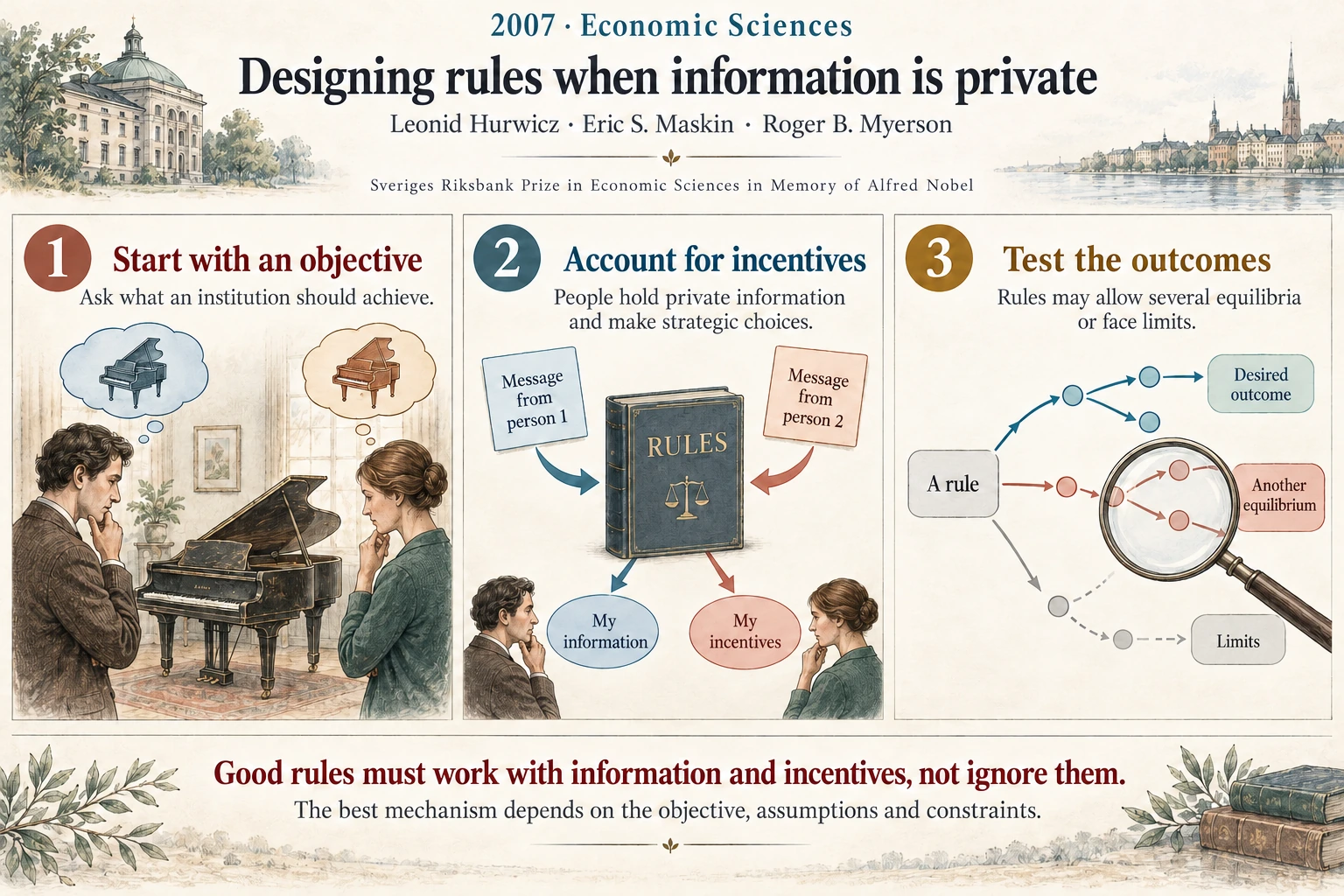
An ordinary economic model may start with the rules and ask what people will do. Mechanism design begins with a goal and works backward: which rules could bring it about? The difficulty is that participants know things a designer does not, such as their willingness to pay or the cost of producing a good. They may have reasons to misrepresent that information.
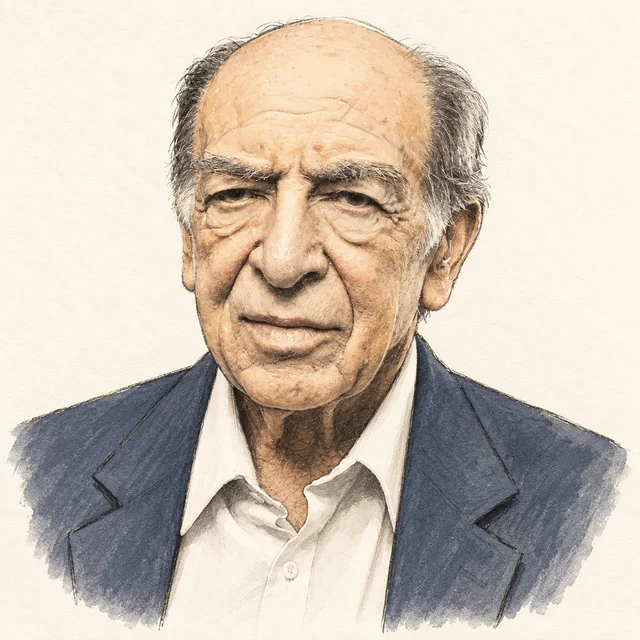
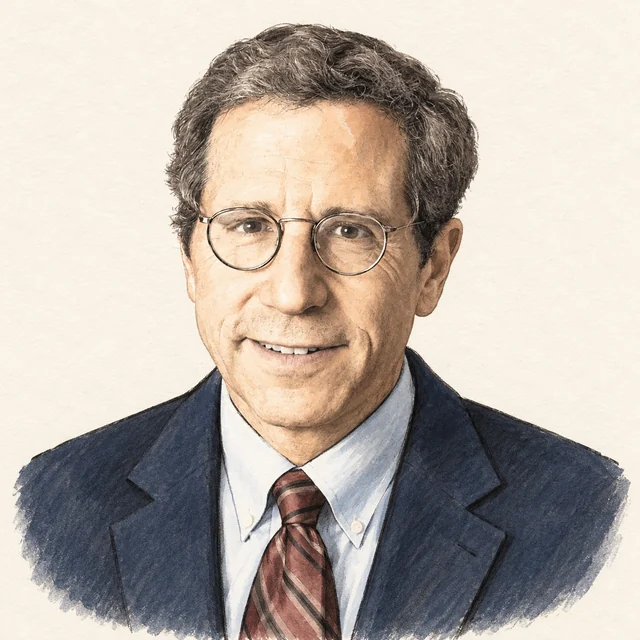
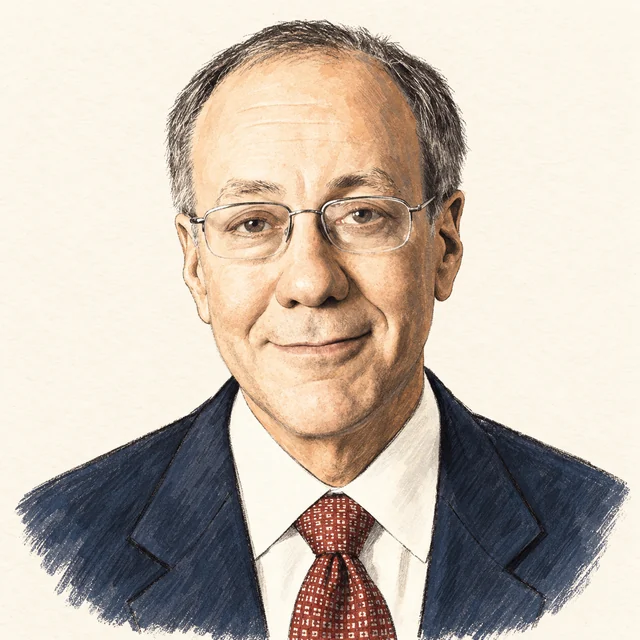
Hurwicz made information and incentives part of the formal design problem. Myerson developed tools, including the revelation principle, that make it possible to analyse suitable truthful-reporting mechanisms. Maskin studied implementation: can the rules support the intended outcomes without also leaving undesirable equilibria? Together these ideas let researchers study what institutions can achieve, and which combinations of goals are impossible under specified conditions.
Why it matters
The theory supplies a common framework for auctions, regulation, public projects and voting. It distinguishes different objectives, such as efficient allocation and a seller’s revenue, instead of treating them as the same thing. It also lets economists compare a proposed institution with the best achievable outcome under its informational and strategic constraints.