c.curionodeThe Nobel Archive

2013 · Physiology or Medicine

The delivery machinery inside a living cell

Genes, membrane-fusion proteins and calcium signals explain how cellular cargo reaches the right place at the right time.

vesiclesmembrane fusioncellular transport
2013Physiology or Medicine

Visual guide

The prize, pictured

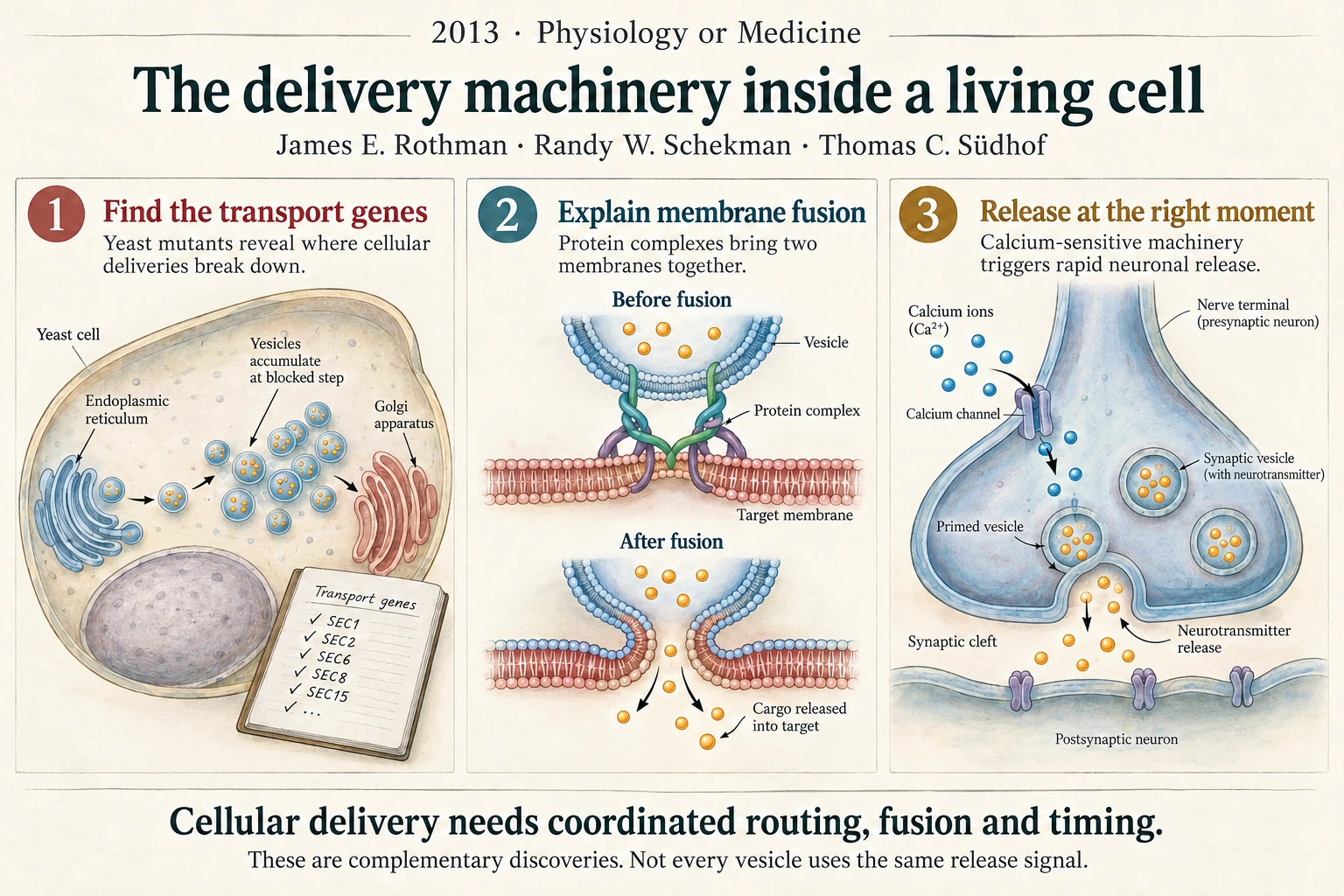
Infographic explaining The delivery machinery inside a living cell
Original AI-generated infographic. A conceptual overview; the explanations and sources below provide context.
Read the poster text

Cellular delivery needs coordinated routing, fusion and timing.

  1. Find the transport genes

    Yeast mutants reveal where cellular deliveries break down.

  2. Explain membrane fusion

    Protein complexes bring two membranes together.

  3. Release at the right moment

    Calcium-sensitive machinery triggers rapid neuronal release.

These are complementary discoveries. Not every vesicle uses the same release signal.

01 · The discovery

The idea, in everyday language

A cell makes molecules in one location and often needs them somewhere else. Some travel in vesicles: tiny compartments surrounded by a membrane. A vesicle can carry cargo between internal compartments or release material outside the cell by fusing with its surface membrane. Without control over destination and timing, making the right molecule is not enough. The laureates uncovered complementary parts of the system that manages these deliveries.

Schekman used yeast mutants whose transport had broken down. Where cargo accumulated helped reveal which genes controlled different steps. Rothman used biochemical experiments to identify proteins that mediate membrane fusion. Matching proteins on two membranes assemble into a complex that draws the membranes close enough to fuse. Südhof investigated nerve cells, where release must occur extremely quickly. He connected calcium-sensitive proteins with the machinery that lets prepared vesicles discharge neurotransmitters when a signal arrives. Genetics, biochemistry and physiology converged on a shared molecular explanation.

Why it matters

The discoveries explained a basic process used in hormone release, communication between neurons and the delivery of components within cells. They also supplied ways to investigate what goes wrong when transport machinery is altered. Work in a simple yeast cell could illuminate mechanisms in human biology because important parts of this machinery are evolutionarily conserved.
02 · The people

Who brought the idea to life?

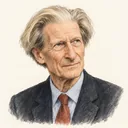
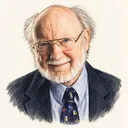
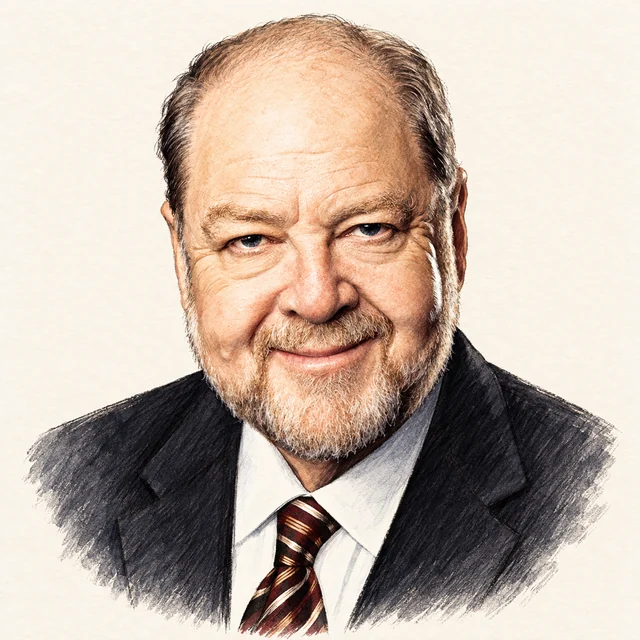
Illustrated portrait of James E. Rothman

James E. Rothman

Prize share · 1/3

Rothman identified protein machinery that allows a transport vesicle to fuse with a target membrane. Proteins on the two membranes form a complex that brings them together, helping cargo reach the appropriate compartment. These studies supplied a molecular explanation for a process that could be seen through microscopy but whose underlying machinery had remained unclear.

Read the biography ↗
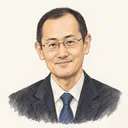
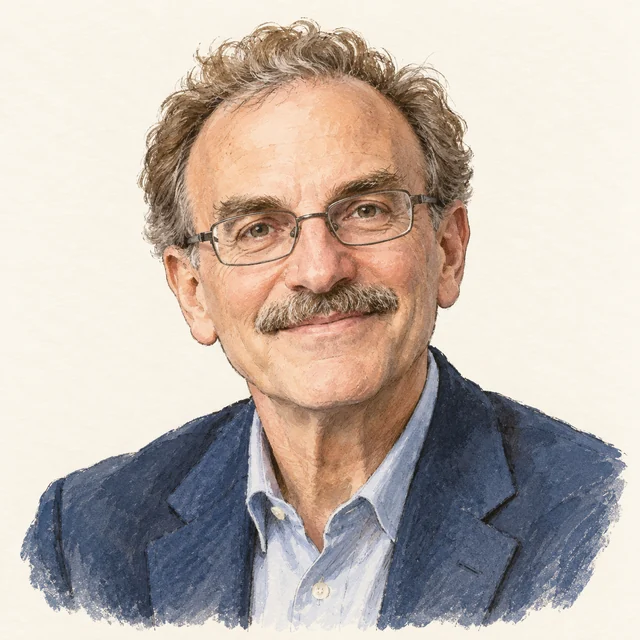
Illustrated portrait of Randy W. Schekman

Randy W. Schekman

Prize share · 1/3

Schekman and collaborators isolated yeast mutants in which secretory transport stalled. Different defects caused cargo or vesicles to accumulate at different steps, allowing genes to be assigned to parts of the transport pathway. The discovery showed that a coordinated genetic programme controls vesicle traffic and helped connect yeast studies with transport mechanisms in other cells.

Read the biography ↗
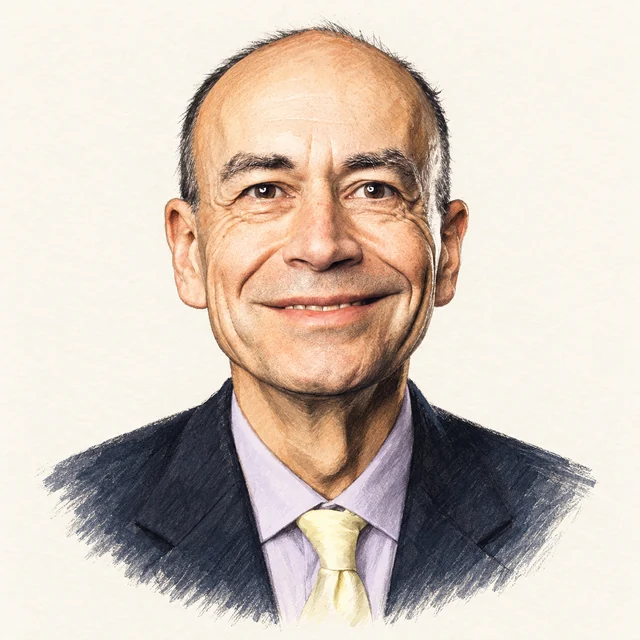
Illustrated portrait of Thomas C. Südhof

Thomas C. Südhof

Prize share · 1/3

Südhof identified how calcium-sensitive proteins help control the rapid fusion of neurotransmitter-filled vesicles. His work connected the arrival of calcium at a nerve terminal with the release machinery, explaining how vesicles can be prepared in advance and discharge their contents on cue. It added the timing mechanism to the genetic and biochemical understanding of transport.

Read the biography ↗

03 · Years in the making

The path here

  1. 1979

    Schekman and collaborators report yeast mutants that reveal defects in secretion.

  2. 1993

    Rothman and collaborators identify SNARE proteins involved in membrane fusion.

  3. 2013

    The prize brings together genetic, biochemical and timing mechanisms of vesicle traffic.

04 · Read further

From the original sources

Original explanations by Curionode, based on the official records below. Biographical details and affiliations refer to the award year.

  1. Official award announcement nobelprize.org
  2. Scientific background nobelprize.org

More in Physiology or Medicine

Browse this subject ↗