c.curionodeThe Nobel Archive

2016 · Chemistry

Building motion into a molecule

Chemists designed linked parts, shuttles and motors on the scale of molecules.

molecular machinesmechanical bondsdirected motion
2016Chemistry

Visual guide

The prize, pictured

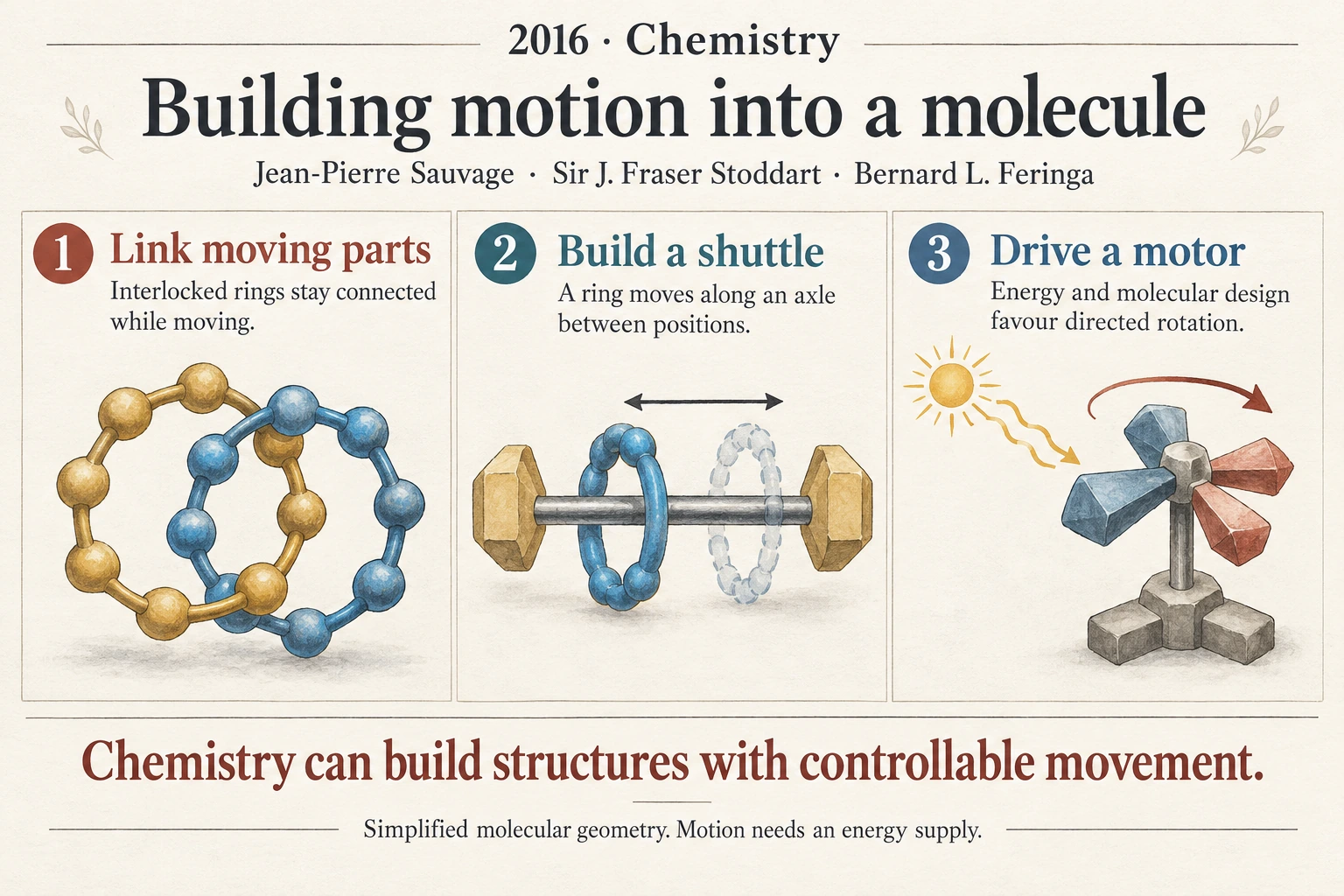
Infographic explaining Building motion into a molecule
Original AI-generated infographic. A conceptual overview; the explanations and sources below provide context.
Read the poster text

Chemistry can build structures with controllable movement.

  1. Link moving parts

    Interlocked rings stay connected while moving.

  2. Build a shuttle

    A ring moves along an axle between positions.

  3. Drive a motor

    Energy and molecular design favour directed rotation.

Simplified molecular geometry. Motion needs an energy supply.

01 · The discovery

The idea, in everyday language

A tiny object is not automatically a machine. Its parts must move relative to one another in a useful, controllable way. Sauvage used a copper ion to help assemble two molecular rings that were linked like chain links. Each ring retained its own chemical framework; the rings stayed together because of their interlocking shape. Stoddart developed a ring threaded on a molecular axle. The ring could move between positions, giving chemists a route to shuttles and switches.

Feringa tackled directed rotation. Molecules jostle randomly, so merely making something that can rotate does not produce a motor. His group designed a molecule whose shape and sequence of light-driven and thermal changes favour rotation in one direction. These achievements provided complementary components for molecular machinery. Supplying energy and choosing the right molecular structure made controlled motion possible.

Why it matters

The work expanded chemistry from building structures to controlling their movement. Researchers used these ideas in experimental switches, lifts, responsive materials and systems that pass molecular motion to larger objects. The contribution was a versatile toolbox for further research, with practical uses still requiring engineering and testing.

02 · The people

Who brought the idea to life?

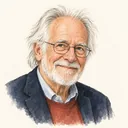
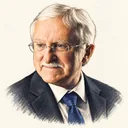
Illustrated portrait of Jean-Pierre Sauvage

Jean-Pierre Sauvage

Prize share · 1/3

In 1983 his team used a copper ion to guide the assembly of two interlocked molecular rings, a catenane. The mechanical link held the rings together without a covalent bond between them. Later work developed controlled relative motion in such structures.

Read the biography ↗
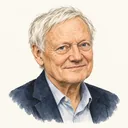
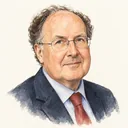
Illustrated portrait of Sir J. Fraser Stoddart

Sir J. Fraser Stoddart

Prize share · 1/3

His team developed a molecular shuttle in 1991, using a ring threaded onto an axle in a rotaxane. Later designs controlled where the ring sat along the axle. Such structures became components of molecular switches, lifts and other experimental machines.

Read the biography ↗
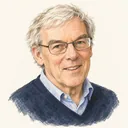
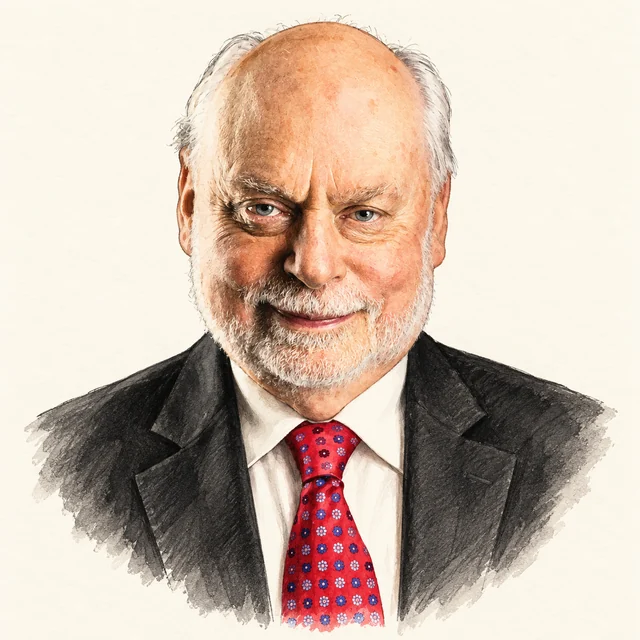
Illustrated portrait of Bernard L. Feringa

Bernard L. Feringa

Prize share · 1/3

In 1999 his group demonstrated a synthetic molecular rotary motor. Its shape, together with a sequence of light-driven and thermal steps, favoured rotation in one direction. Later experiments connected these motors to larger systems to investigate how molecular movement can do useful work.

Read the biography ↗

03 · Years in the making

The path here

  1. 1983

    Sauvage’s team efficiently assembles interlocked molecular rings.

  2. 1991

    Stoddart’s team develops a molecular shuttle based on a rotaxane.

  3. 1999

    Feringa’s group demonstrates a synthetic molecular rotary motor.

04 · Read further

From the original sources

Original explanations by Curionode, based on the official records below. Biographical details and affiliations refer to the award year.

  1. Official award announcement nobelprize.org
  2. Nobel Committee’s accessible background nobelprize.org

More in Chemistry

Browse this subject ↗