c.curionodeThe Nobel Archive

1974 · Economic Sciences

Money and markets within a wider social world

Economic fluctuations cannot be separated from expectations, institutions and the ways people coordinate. Myrdal and Hayek pursued different analyses of these connections, earning a shared memorial prize without sharing one policy programme.

The Sveriges Riksbank Prize in Economic Sciences in Memory of Alfred Nobel.

Money and fluctuationsDispersed knowledgeSocial institutions
1974Economic Sciences

Visual guide

The prize, pictured

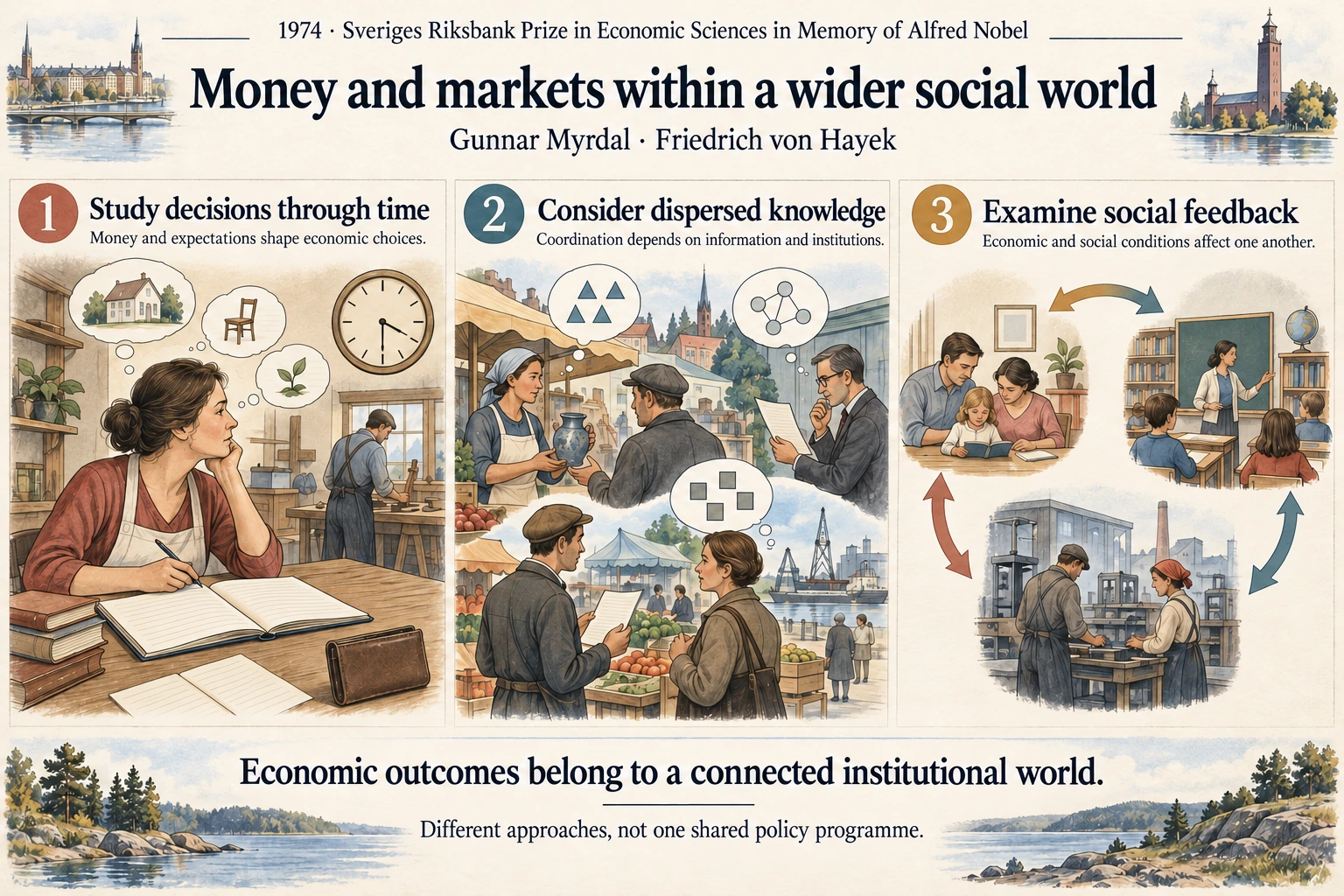
Infographic explaining Money and markets within a wider social world
Original AI-generated infographic. A conceptual overview; the explanations and sources below provide context.
Read the poster text

Economic outcomes belong to a connected institutional world.

  1. Study decisions through time

    Money and expectations shape economic choices.

  2. Consider dispersed knowledge

    Coordination depends on information and institutions.

  3. Examine social feedback

    Economic and social conditions affect one another.

Different approaches, not one shared policy programme.

01 · The discovery

The idea, in everyday language

Both economists contributed to accounts of money and economic fluctuations. Myrdal examined expectations and the relationship between plans and outcomes; Hayek studied how money, credit, capital and production interact over time. Their approaches asked how decisions in one part of an economy affect choices elsewhere. Later, Hayek emphasised that useful knowledge is dispersed among people and that prices can help coordinate decisions under particular institutional arrangements.

Myrdal broadened his analysis to the mutual influence of economic outcomes, social conditions and institutions. Education, health, political power and discrimination could shape opportunities, while income and opportunity could in turn affect those conditions. His studies of racial inequality and development therefore could not treat the economy as an isolated mechanism. Hayek’s work on knowledge and social order approached institutional questions from a different direction. The common recognition concerned monetary research and interdependence, not a joint theory proving one political position correct.

Why it matters

The work encouraged economists to examine expectations, coordination and social institutions alongside money and fluctuations. It connected economic questions with other social sciences and exposed limits of analyses that assume all relevant knowledge or conditions are already given.
02 · The people

Who brought the idea to life?

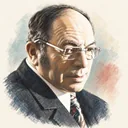
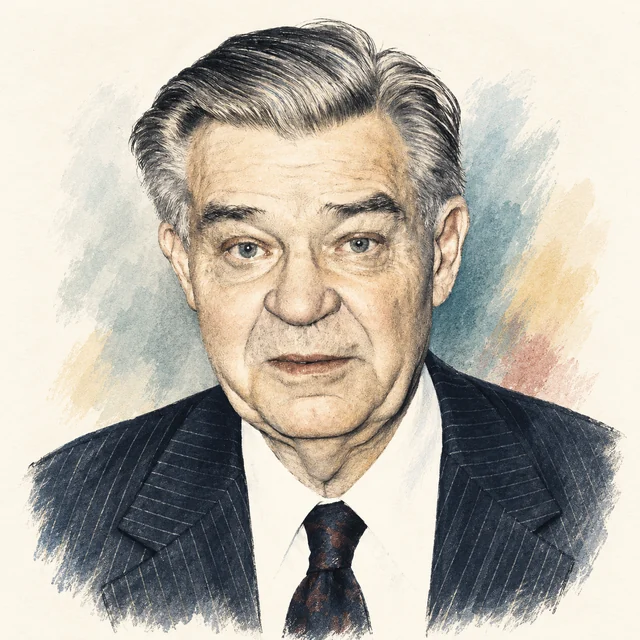
Illustrated portrait of Gunnar Myrdal

Gunnar Myrdal

Prize share · 1/2

Myrdal analysed money and economic fluctuations, then the feedback between economic outcomes, social conditions and institutions. He received half the Economic Sciences memorial prize.

Read the biography ↗
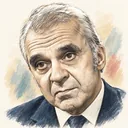
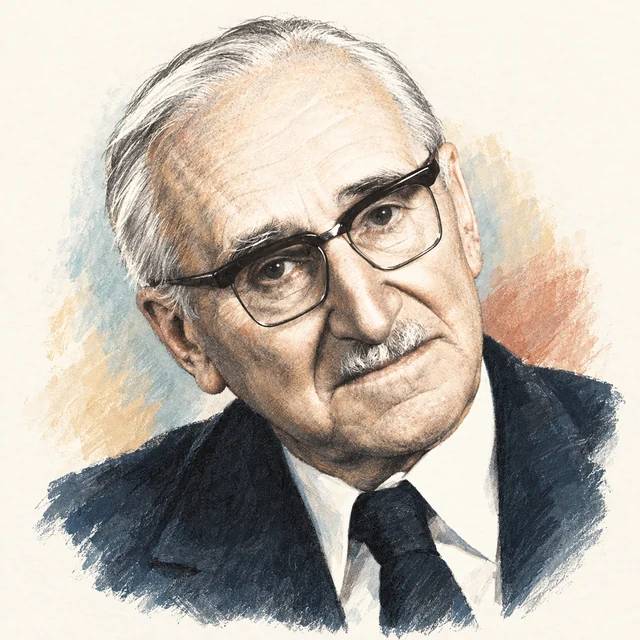
Illustrated portrait of Friedrich von Hayek

Friedrich von Hayek

Prize share · 1/2

Hayek contributed to monetary and business-cycle theory and examined how prices, dispersed knowledge and institutions shape economic coordination. He received half the Economic Sciences memorial prize.

Read the biography ↗

03 · Years in the making

The path here

  1. 1927

    Myrdal completed his economics doctorate; Hayek began directing the Austrian business-cycle institute.

  2. 1931

    Hayek published Prices and Production and joined the London School of Economics.

  3. 1944

    Myrdal’s An American Dilemma examined racial inequality and institutions.

  4. 1947

    Myrdal became executive secretary of the UN Economic Commission for Europe.

  5. 1962

    Stockholm’s Institute for International Economic Studies was established under Myrdal.

  6. 1968

    Asian Drama extended Myrdal’s inquiry into development and poverty.

  7. 1974

    Myrdal and Hayek shared the Economic Sciences memorial prize equally.

04 · Read further

From the original sources

Original explanations by Curionode, based on the official records below. Biographical details and affiliations refer to the award year.

  1. Official announcement nobelprize.org
  2. Stockholm University: institute history su.se
  3. Salzburg University: Hayek institutional context plus.ac.at

More in Economic Sciences

Browse this subject ↗