c.curionodeThe Nobel Archive

1986 · Physics

Explore matter with electrons and tunnelling

Ruska developed electron microscopy; Binnig and Rohrer invented a different method for probing surfaces.

electron opticsmicroscopytunnellingsurfaces
1986Physics

Visual guide

The prize, pictured

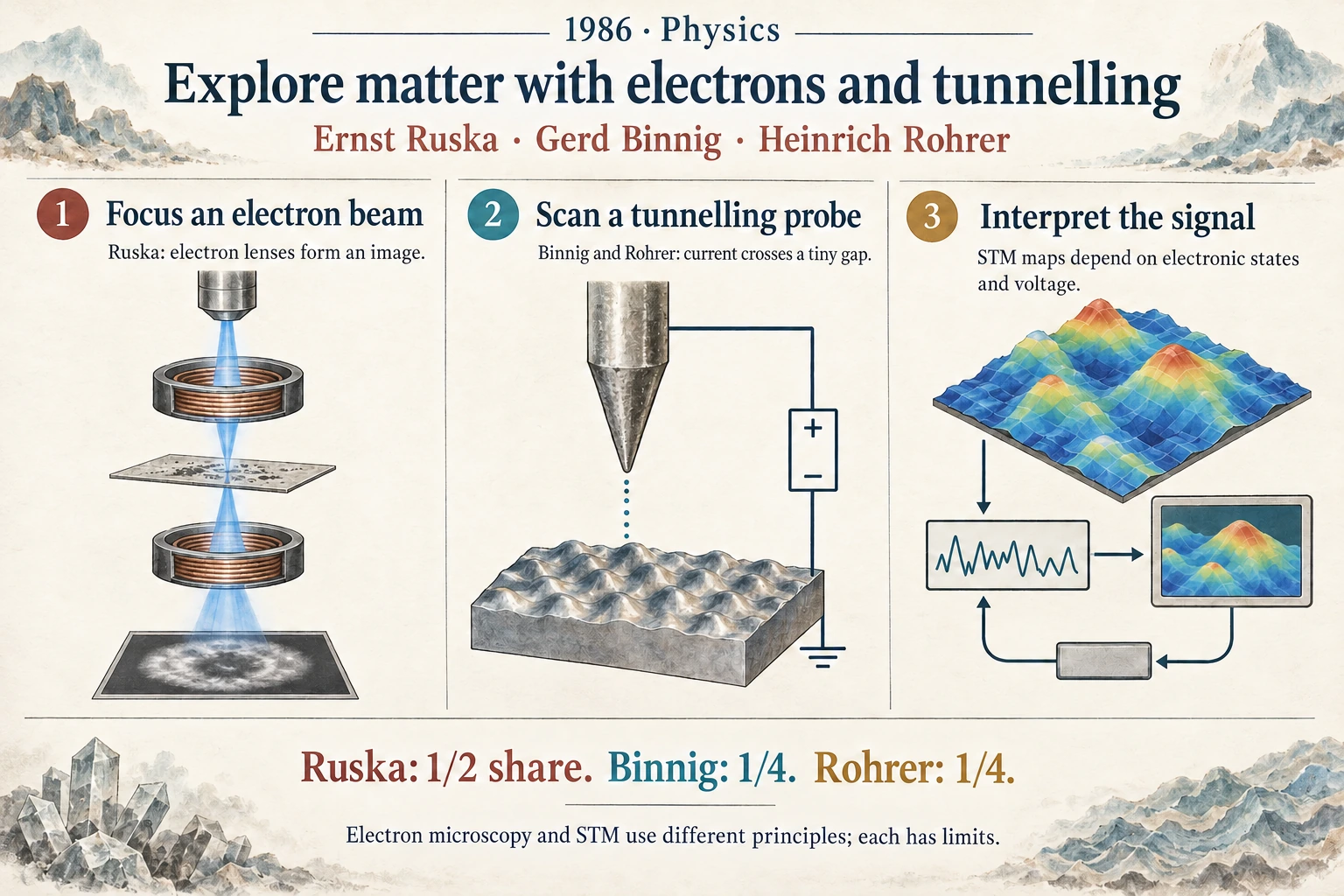
Infographic explaining Explore matter with electrons and tunnelling
Original AI-generated infographic. A conceptual overview; the explanations and sources below provide context.
Read the poster text

Ruska: 1/2 share. Binnig: 1/4. Rohrer: 1/4.

  1. Focus an electron beam

    Ruska: electron lenses form an image.

  2. Scan a tunnelling probe

    Binnig and Rohrer: current crosses a tiny gap.

  3. Interpret the signal

    STM maps depend on electronic states and voltage.

Electron microscopy and STM use different principles; each has limits.

01 · The discovery

The idea, in everyday language

An electron microscope forms an image using an electron beam and electron-optical lenses. Ruska and Knoll built an early prototype in 1931; Ruska’s 1933 instrument surpassed contemporary light-microscope resolution. Magnetic lenses, vacuum equipment and subsequent engineering made the method useful for investigating very small structures.

The scanning tunnelling microscope uses a sharp conducting tip close to a conducting surface. An applied voltage allows a small tunnelling current across the gap. Its sensitivity to separation enables feedback-controlled scanning. Binnig and Rohrer’s team demonstrated vacuum tunnelling in 1981. The recorded signal depends on electronic states and voltage as well as surface geometry.

Why it matters

The prize recognised two routes to exploring matter at small scales. Electron microscopy transformed structural investigation, while STM opened local studies of surfaces and electronic properties. Ruska received one half; Binnig and Rohrer each received one quarter. Knoll, Gerber, Weibel and other collaborators also contributed to the developments.
02 · The people

Who brought the idea to life?

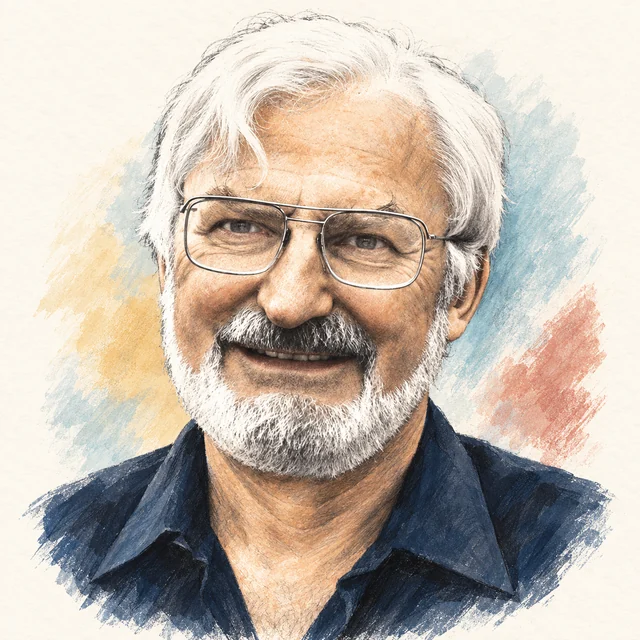
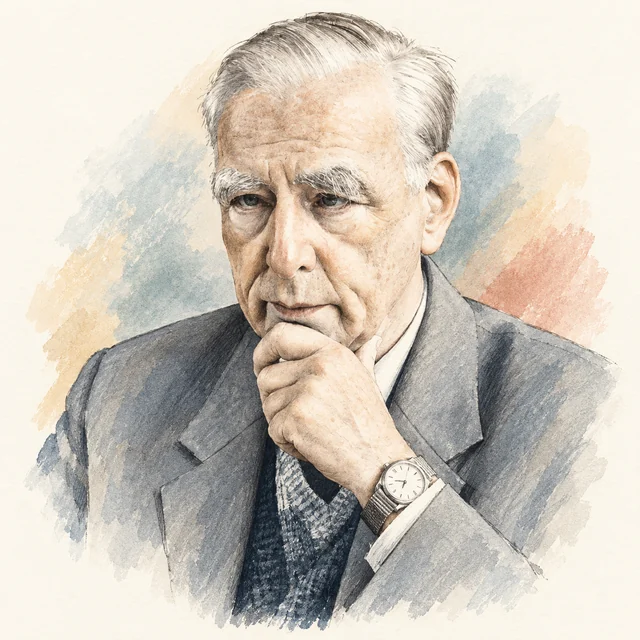
Illustrated portrait of Ernst Ruska

Ernst Ruska

Prize share · 1/2

Ruska established electron-optical principles and developed the first electron microscope with Knoll. Magnetic lenses focus an electron beam to form an image; a shorter electron wavelength offers opportunities beyond conventional light microscopy, subject to lens and specimen limitations. He received one half of the Physics Prize, distinct from the half shared by the scanning-tunnelling inventors.

Read the biography ↗
Illustrated portrait of Gerd Binnig

Gerd Binnig

Prize share · 1/4

Binnig co-invented the scanning tunnelling microscope with Rohrer. A voltage between a sharp conducting tip and a surface enables tunnelling current across a small gap. Feedback and precise scanning turn this sensitive signal into a surface map. It reflects electronic structure as well as geometry, rather than being an ordinary photograph of atoms. He received one quarter of the Physics Prize.

Read the biography ↗
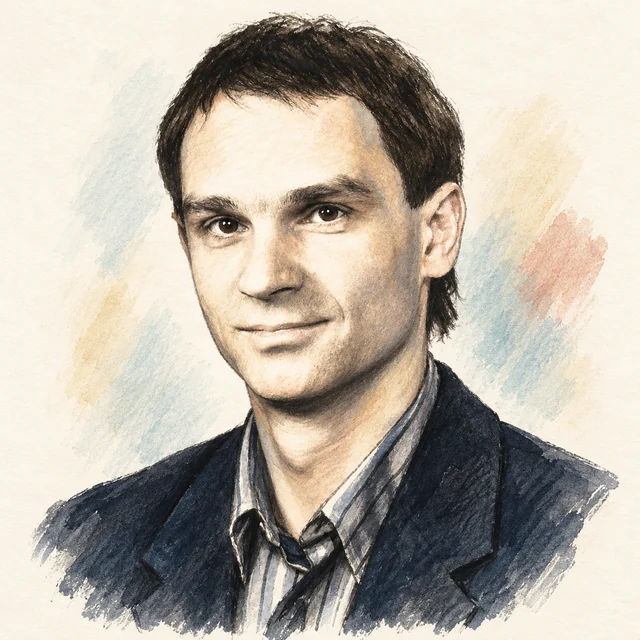
Illustrated portrait of Heinrich Rohrer

Heinrich Rohrer

Prize share · 1/4

Rohrer co-invented the scanning tunnelling microscope with Binnig. They developed a stable, precisely movable tip and measured how tunnelling current changes with tip–sample separation. The resulting microscope investigates conducting surfaces locally; its images depend on the electronic states available at the selected voltage. He received one quarter of the Physics Prize; Gerber and Weibel were important team members.

Read the biography ↗

03 · Years in the making

The path here

  1. 1931

    Ruska and Knoll build an early electron-microscope prototype.

  2. 1933

    Ruska’s instrument exceeds contemporary light-microscope resolution.

  3. 1981

    The IBM team demonstrates vacuum tunnelling with its scanning instrument.

  4. 1986

    Ruska receives one half; Binnig and Rohrer receive one quarter each.

04 · Read further

From the original sources

Original explanations by Curionode, based on the official records below. Biographical details and affiliations refer to the award year.

  1. Official announcement nobelprize.org
  2. Binnig–Rohrer Nobel lecture: STM principles and history nobelprize.org
  3. IBM history of the scanning tunnelling microscope ibm.com