c.curionodeThe Nobel Archive

2012 · Physics

Handling the quantum world, one system at a time

Haroche and Wineland made individual quantum systems controllable enough to investigate in the laboratory.

quantum controltrapped ionscavity photons
2012Physics

Visual guide

The prize, pictured

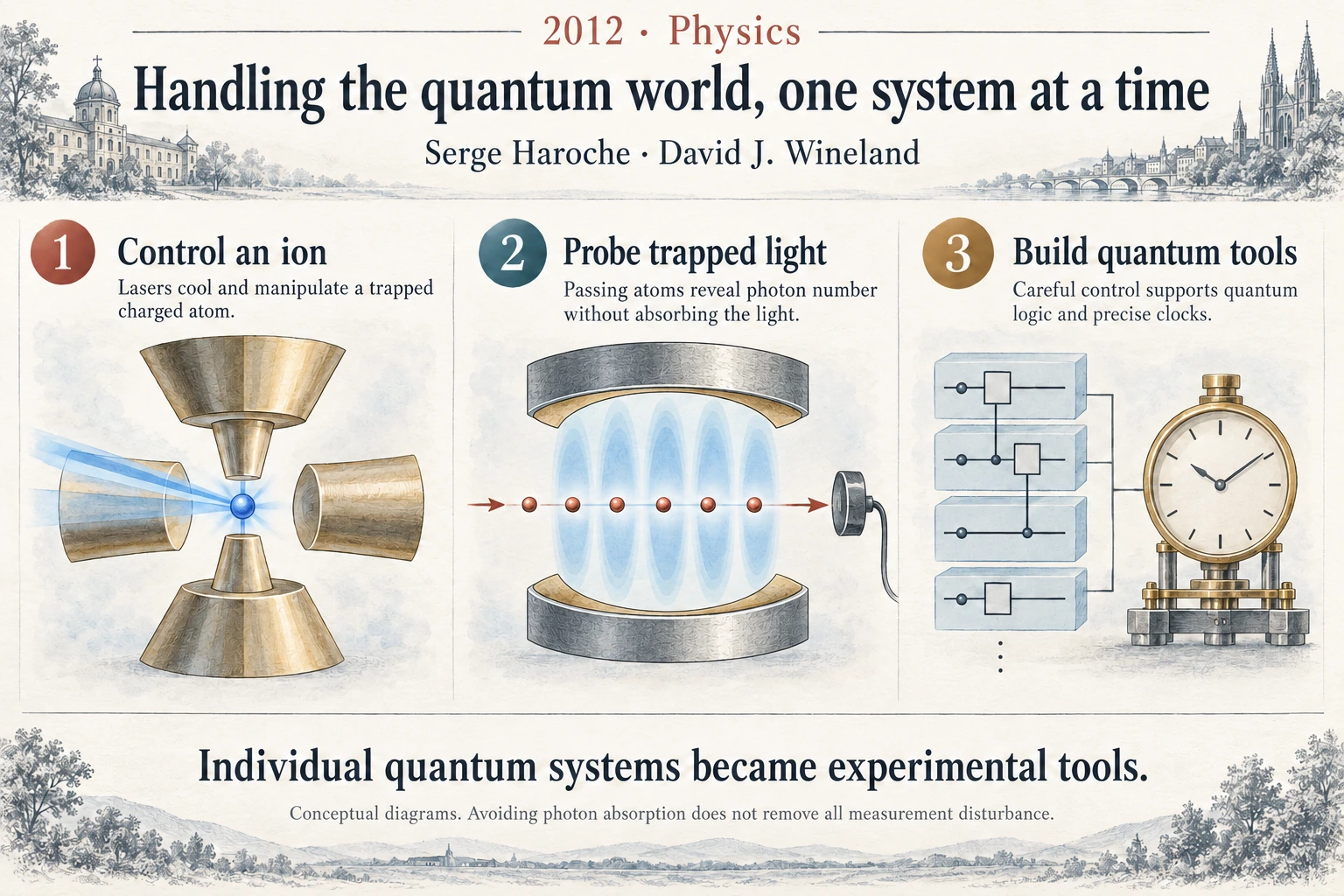
Infographic explaining Handling the quantum world, one system at a time
Original AI-generated infographic. A conceptual overview; the explanations and sources below provide context.
Read the poster text

Individual quantum systems became experimental tools.

  1. Control an ion

    Lasers cool and manipulate a trapped charged atom.

  2. Probe trapped light

    Passing atoms reveal photon number without absorbing the light.

  3. Build quantum tools

    Careful control supports quantum logic and precise clocks.

Conceptual diagrams. Avoiding photon absorption does not remove all measurement disturbance.

01 · The discovery

The idea, in everyday language

Quantum theory describes states that can interfere and become entangled, but delicate states are easily disrupted by their surroundings. To study them, researchers need more than a sensitive detector: they must isolate a system, prepare it and choose how to question it. Wineland’s team held charged atoms in electromagnetic traps. Laser light cooled their motion and controlled their internal states, allowing experiments that treated a single ion as a carefully managed quantum system.

Haroche’s team approached the problem from the other direction: they stored microwave light between exceptionally reflective mirrors and sent prepared atoms through it. The field changed a measurable property of the atoms, allowing the researchers to infer photon number without absorbing the photons at each observation. Repeated measurements could follow changes in the cavity field. These complementary methods made quantum behaviour experimentally accessible rather than merely a thought experiment.

Why it matters

The methods opened paths to quantum information processing, exceptionally precise atomic clocks and direct studies of the boundary between quantum and everyday behaviour. For example, Wineland’s group demonstrated a quantum logic gate using two types of state within one ion. Such experiments established building blocks; assembling a large, reliable quantum computer requires much more.
02 · The people

Who brought the idea to life?

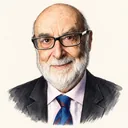
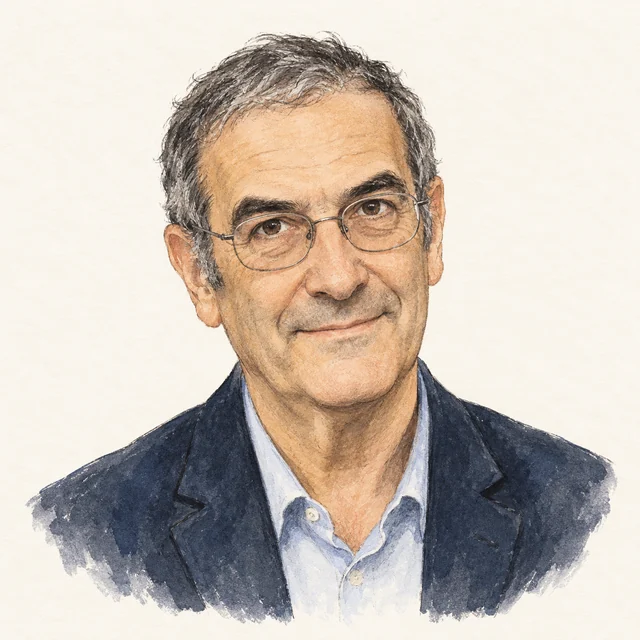
Illustrated portrait of Serge Haroche

Serge Haroche

Prize share · 1/2

Haroche and his team used highly reflective microwave cavities to hold photons while carefully prepared atoms passed through. The atoms carried away information about the field without necessarily absorbing its photons. This enabled repeated observations of photon number and studies of how quantum superpositions lose coherence through interaction with their surroundings.

Read the biography ↗
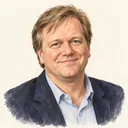
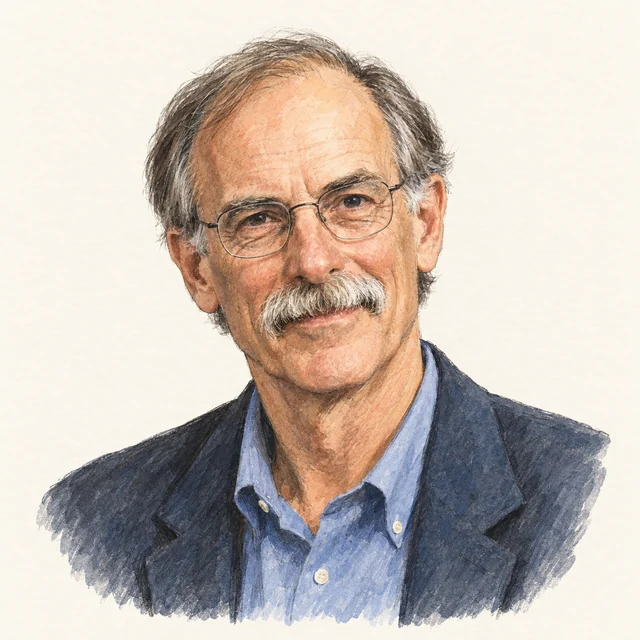
Illustrated portrait of David J. Wineland

David J. Wineland

Prize share · 1/2

Wineland and collaborators developed methods to cool trapped ions with lasers and control their internal and motional quantum states. Carefully timed light pulses could prepare superpositions and perform quantum logic operations. The same command of isolated atoms supported highly precise optical clocks, linking fundamental experiments with the practical measurement of time.

Read the biography ↗

03 · Years in the making

The path here

  1. 1995

    Wineland and colleagues demonstrate a logic gate using internal and motional states of one trapped ion.

  2. 2007

    Haroche and colleagues publish repeated observations of photon-number jumps in a cavity.

  3. 2012

    The prize recognises experimental control and measurement of individual quantum systems.

04 · Read further

From the original sources

Original explanations by Curionode, based on the official records below. Biographical details and affiliations refer to the award year.

  1. Official announcement nobelprize.org
  2. Popular science background nobelprize.org
  3. NIST: a quantum logic gate nist.gov
  4. Research paper: photon-number jumps arxiv.org