01 · The discovery
The idea, in everyday language
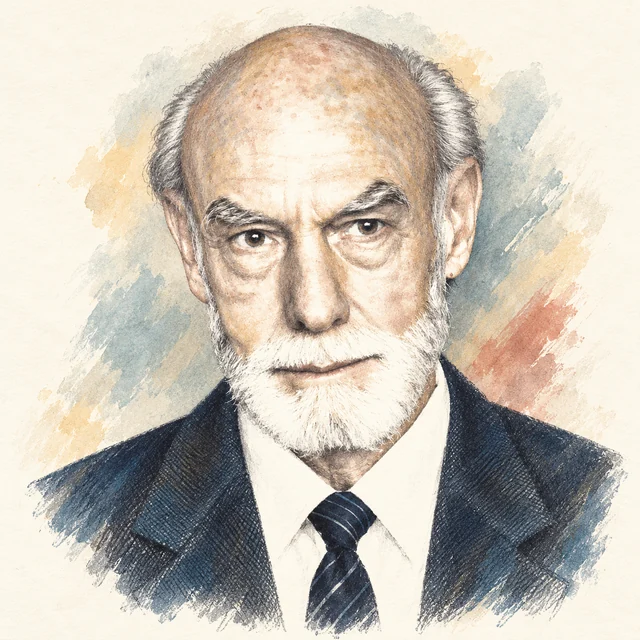
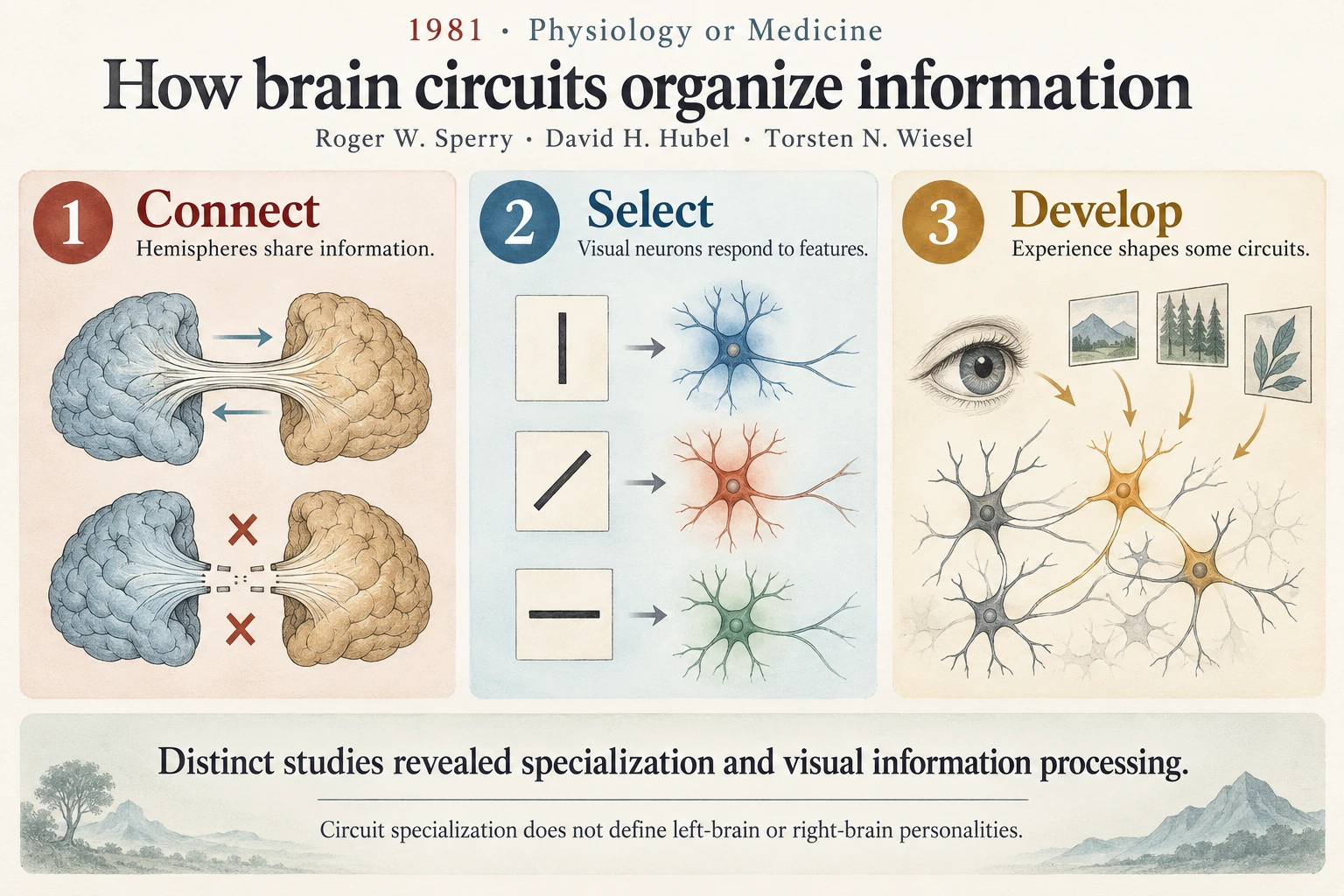
The brain contains many interacting circuits, so locating a function requires more than naming a region. Sperry’s split-brain research studied animals and people whose corpus callosum, a major connection between the cerebral hemispheres, had been divided. In some patients this surgery was used to limit severe epilepsy. Controlled tasks exposed differences in what each side could process and report when ordinary communication between the sides was reduced.
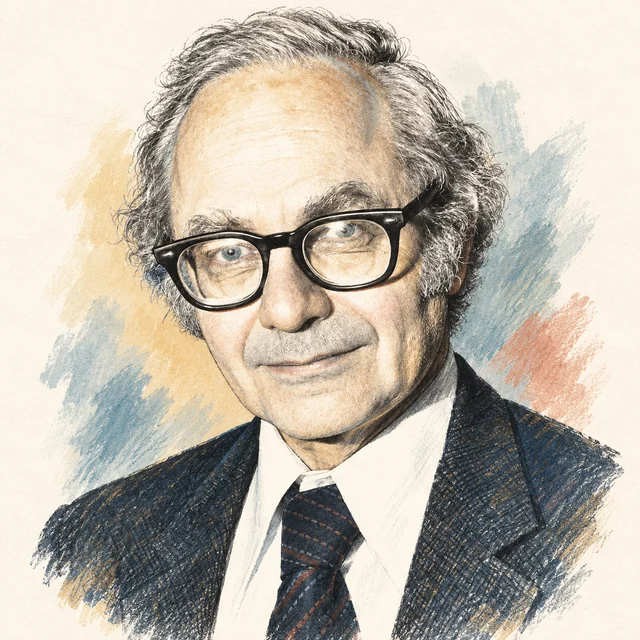
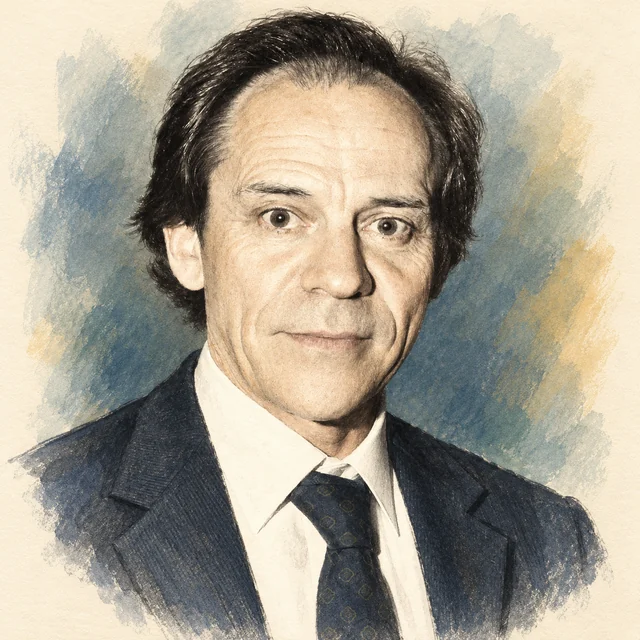
Hubel and Wiesel recorded individual neurons in the visual cortex of cats and monkeys while presenting simple patterns. Many cells responded strongly to an edge at a particular orientation rather than to light anywhere in the visual field. Related experiments revealed organized cortical circuitry and how altered visual experience early in development could change it. Together these studies made information processing a question about connections, selective responses and experience.
Why it matters
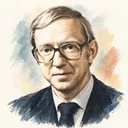
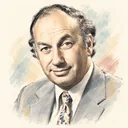
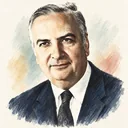
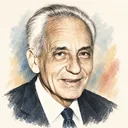
Sperry received half the prize for hemispheric specialization; Hubel and Wiesel each received a quarter for visual information processing. The work helped connect behaviour with neural circuitry and made experience-dependent development experimentally accessible. Collaborators including Gazzaniga, Bogen and Kuffler were important to these programmes. Findings from animal experiments and selected patients need careful interpretation when applied more widely.